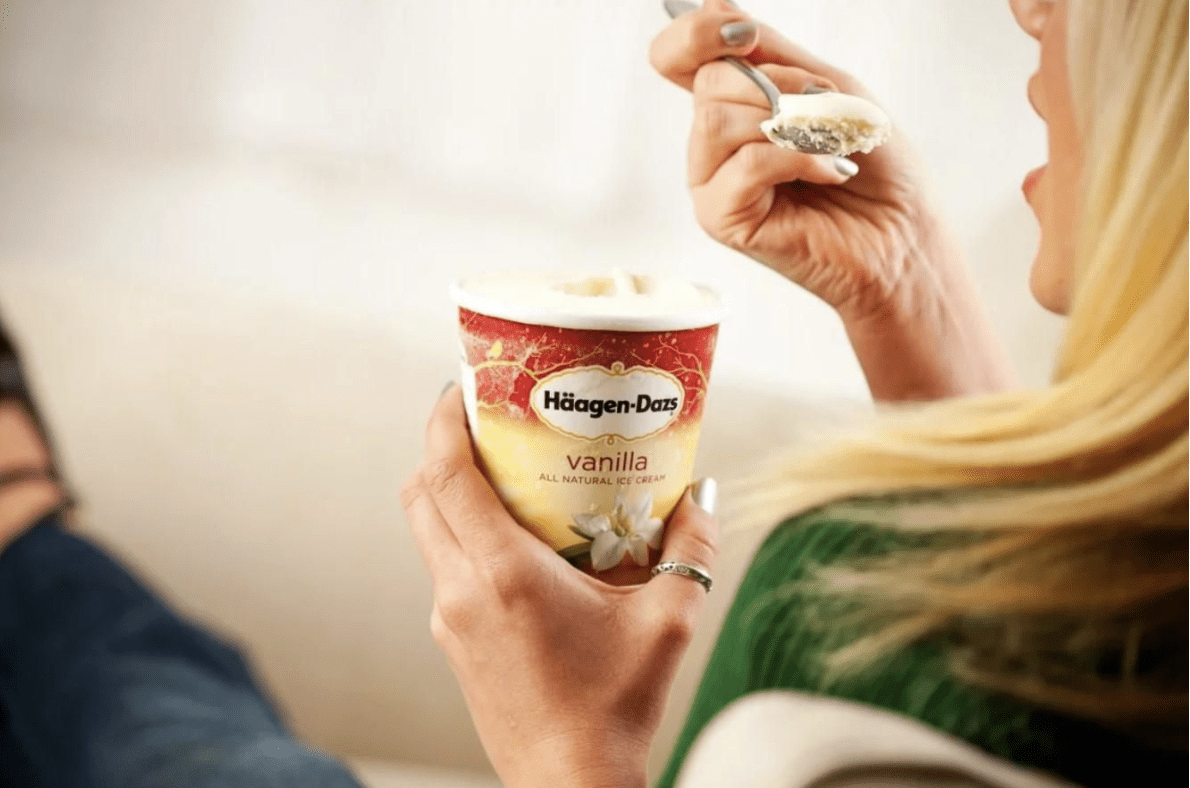

In the U.S., ice cream is most often associated with Italian immigrants. While they did introduce Americans to exquisite European sweets, including ice cream, this story is about Jewish entrepreneurs who, in the 20th century, created a truly unique brand that competed with many famous Italian companies and manufacturers of the popular frozen dessert. Read more on i-bronx.
How It All Started
In a conversation with Tablet Magazine, Mitch Berliner, a veteran food distributor with 35 years of experience in the ice cream industry, said, “Jews were always entrepreneurs and had an unconventional approach, even when it came to ice cream.” One such innovator was Reuben Mattus, a Polish Jewish immigrant who arrived in the U.S. as a 10-year-old boy with his mother. With no father, the family had a tough time in a new country without knowing the language. His mother’s brother, who had already lived in America for a while, took them in at his ice factory in Brooklyn. At first, Reuben and his mother simply squeezed lemons for the frozen lemonades, which sold well on the streets of New York on hot summer days. Later, when Reuben had learned a bit of English, his uncle made him a salesman on a horse-drawn cart. The small, skinny, shy boy attracted attention, especially from women, who felt sorry for him and happily bought more than they had intended.
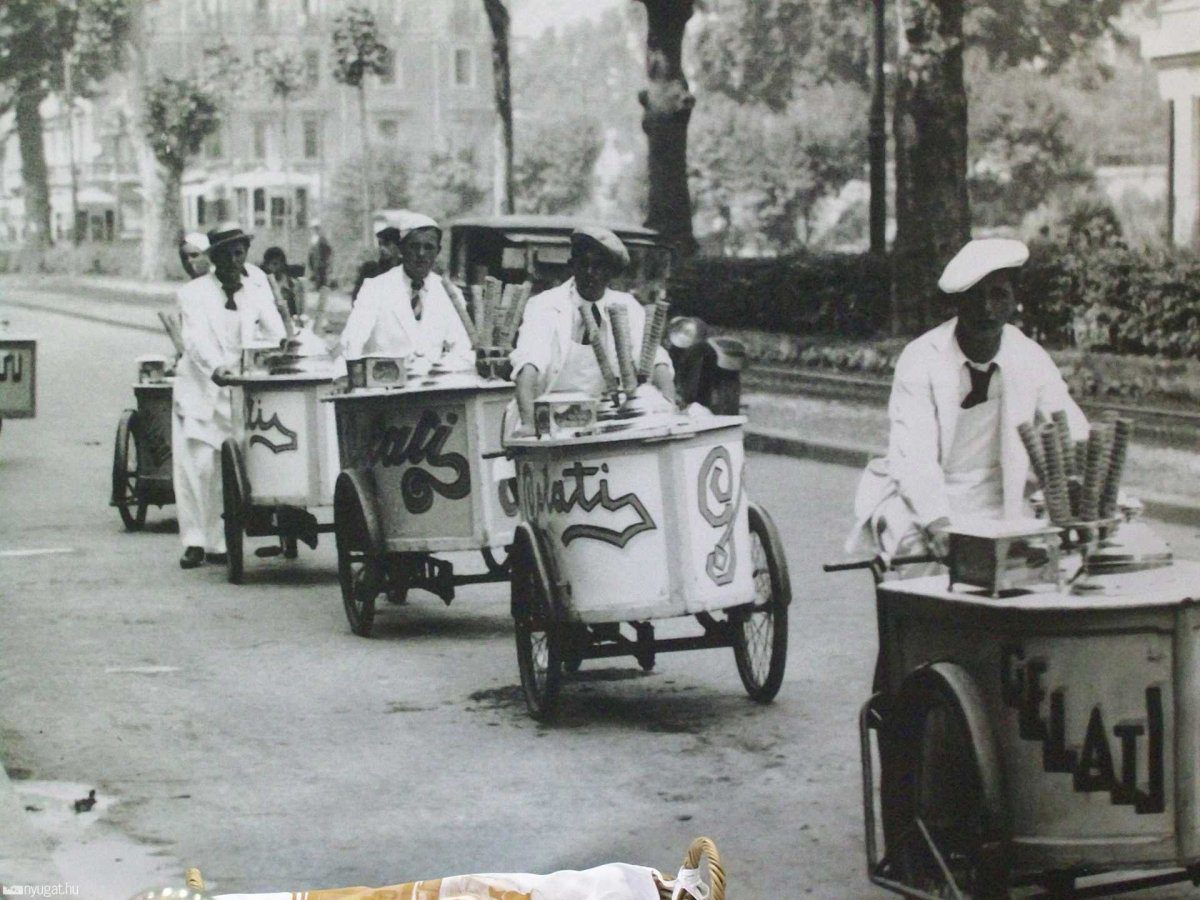
It’s worth noting that running an ice business was incredibly difficult, as refrigerators and freezers were extremely rare and cost a fortune. Mattus recalled how his family would buy ice from the Great Lakes in the winter and store it underground, insulated with sawdust.
In the following decade, the Mattus family expanded their business, adding chocolate bars and ice cream to their product line. However, the new products didn’t gain the recognition they had hoped for. The situation was made worse by a price war initiated by large ice cream suppliers against local vendors. Despite this, Mattus was convinced he could change customers’ minds and save the business. He persuaded his uncle not to participate in the price war and suggested they focus solely on the quality of their ice cream.
“I figured if I made the best ice cream, people would be willing to pay for it,” he told People magazine in 1981.
In Search of the Perfect Recipe
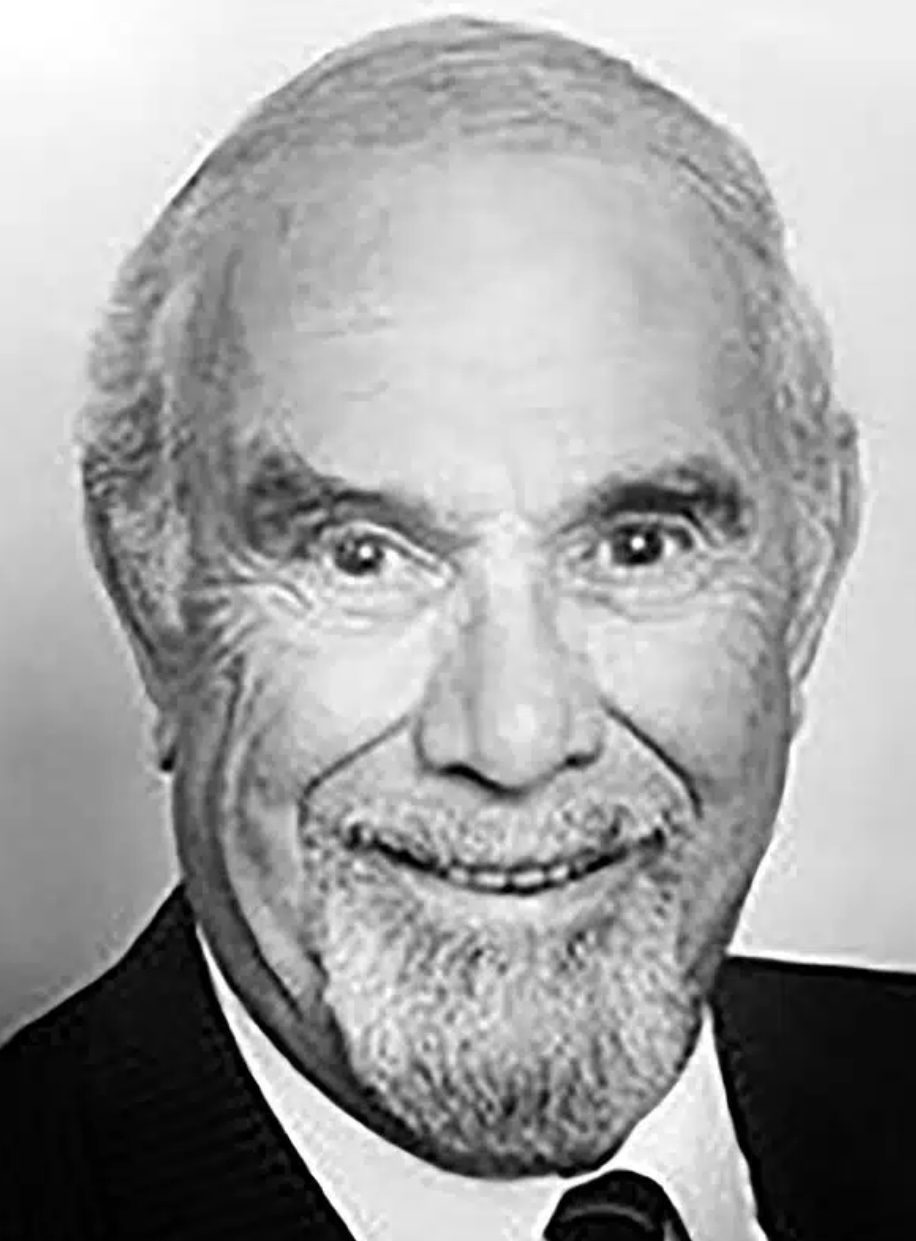
His uncle gradually began to step away from the business, and it was taken over by Reuben and his wife, Rose. They opened a factory in the Bronx. Mattus spent 25 years searching for the perfect thick, creamy ice cream. As a result of his experiments, a lot of equipment was broken.
Rose revealed the secret to their perfect recipe in her autobiography, “The Ice Cream Emperor.” She explained that they accidentally invented their final recipe when the ice cream’s air pump broke, which changed its texture.
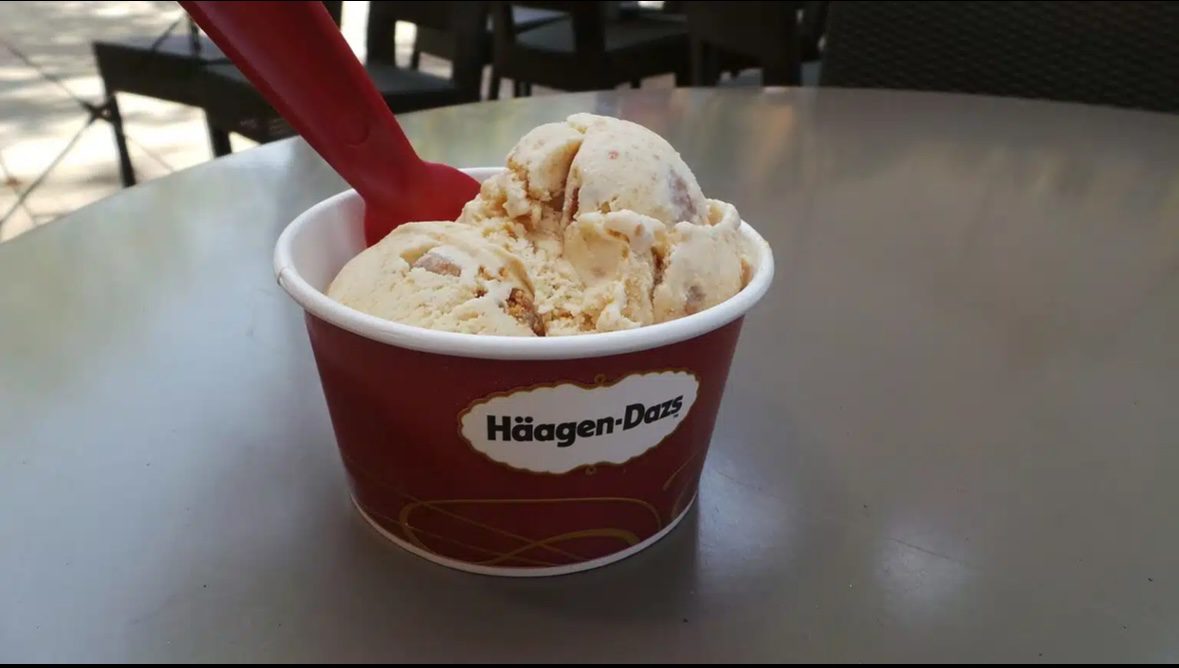
Mattus also always focused on making sure the final product had the right proportion of cream and air. The latter had to be as minimal as possible, so that everyone knew they were paying for ice cream, not for air. Reuben also ditched artificial flavorings and non-fat dry milk in favor of natural ingredients from all over the world.
Mattus strived for the sophistication and premium quality of his products. If ice cream had previously been seen as a cheap street treat, it was now positioned as a luxurious delicacy.
The Emphasis on a Name
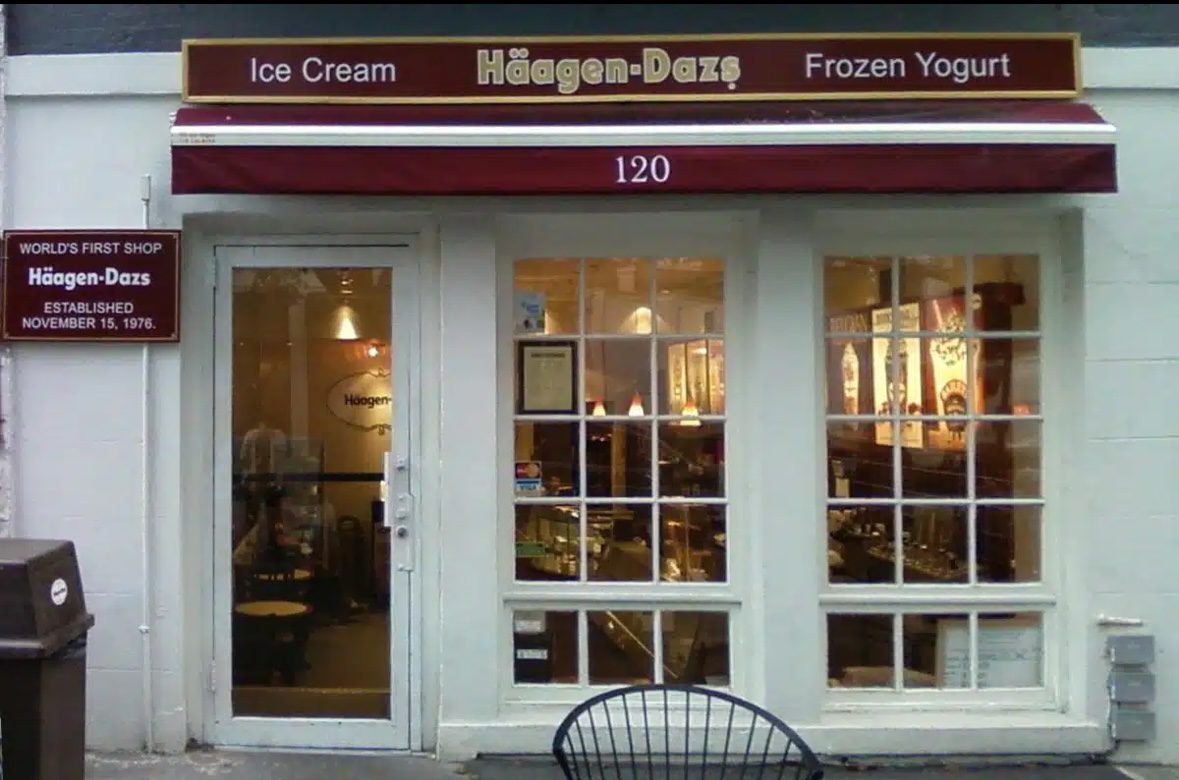
To attract more affluent consumers, Mattus decided to name his brand Häagen-Dazs, which sounds foreign and prestigious. Reuben had some knowledge of marketing and a strong entrepreneurial intuition, so he was convinced that an exotic European feel would attract wealthy Americans. He specifically chose a name that sounded Danish to honor Denmark for its heroic actions during World War II, paying tribute to the Danes for their role in rescuing Jews when the majority of Denmark’s Jewish population was evacuated to neutral Sweden.

Mattus admitted that Häagen-Dazs has no specific meaning and is just a made-up combination of letters. However, Reuben believed that such a name would grab consumers’ attention, especially thanks to the umlaut (the two dots over the “a,” which are not actually a feature of the Danish language). To further emphasize the illusion of the product’s Danish origin, he printed maps of Denmark on the back of the packaging, creating the impression of imported elegance. Many Americans still think Häagen-Dazs is a product from Sweden, Finland, or Norway.
A Reliable Partner: His Wife
While Reuben worked on creating new flavors and planning to conquer new markets, his wife, Rose, played a crucial role in developing Häagen-Dazs’s business strategy. She was constantly looking for new ways to expand the customer base and shaped the brand’s image through creative marketing.

Rose began her career as a bookkeeper in the family’s ice cream business right after high school. Working with her husband, she quickly mastered the fundamentals of business and accounting. By the time Häagen-Dazs was launched, she was already well-versed in all the intricacies of the business processes.
“Rose was a true partner to Reuben in running the business and making decisions. To be frank, I would say that Rose really managed the company, keeping it stable, and allowing Reuben to pursue his ideas,” said Roy Sloane, a Häagen-Dazs advertising manager who worked for the company until 1987.
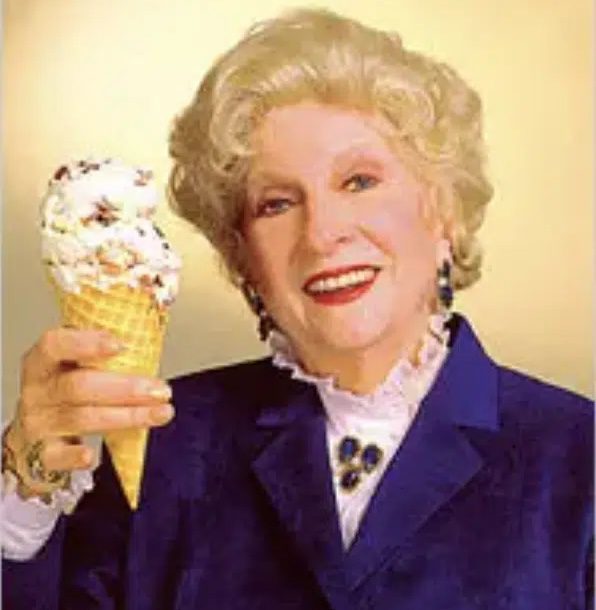
The couple and their Häagen-Dazs ice cream quickly gained popularity in New York City. Dressed in her best clothes and with a radiant smile, Rose herself delivered samples of the best ice cream flavors to elite grocery stores, which quickly began to buy the premium ice cream in pints for their wealthy clients.
Read about another prominent couple from the Bronx by following this link.
Marketing Tricks
Despite the high price, Häagen-Dazs sold nearly 50% more than its competitors in supermarkets. This was all thanks to Reuben’s belief that his ice cream was a special product for those looking for a unique taste.
“We created a name and gave it meaning. Häagen-Dazs means ‘the best’,” Mattus proudly stated in an interview with People magazine.
But the Mattus family wasn’t limited to just one target audience—the rich and affluent consumers. One day, Rose Mattus noticed that the 1960s counterculture was becoming incredibly popular in the U.S. She decided that Häagen-Dazs could interest young people and took a trip, selling ice cream from a Greyhound bus on college campuses. Despite its prestigious reputation in Manhattan, Häagen-Dazs also became popular among marijuana smokers in university towns.
“We found an alternative market steeped in the sixties’ marijuana culture,” Rose recalled in her memoirs. “Our customers were a mix of young people with long hair and unusual tastes.”

Reuben and Rose never forgot their roots either. A separate marketing strategy targeted the Jewish community. Reuben Mattus ensured from the very beginning that Häagen-Dazs was kosher. “If I was creating great ice cream, I wanted my people to enjoy it,” he said. This certification not only honored the community’s dietary habits but also helped expand the brand’s customer base. Once financially independent, the couple focused on supporting Jewish and Israeli initiatives. Rose was a board member of the Zionist Organization of America, and she and her husband donated millions of dollars to cultural and educational projects in Israel, including a technology school in Herzliya named after them.
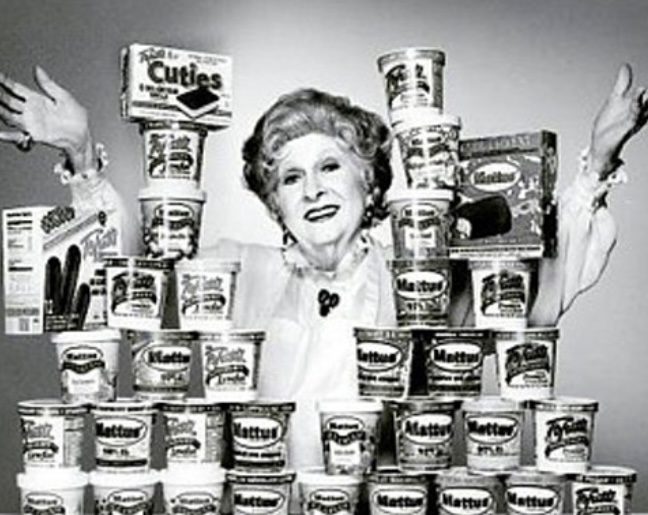
Reuben Mattus died on January 30, 1994, at the age of 82, and Rose on November 28, 2006, at the age of 90.
You can read the life story of another businesswoman from the Bronx by following this link.
A Rebranding That Preserves Tradition
In 2017, after nearly 60 years on the market, Häagen-Dazs refreshed its image for the first time to attract a younger audience, particularly millennials. Despite minor changes, this move highlights the brand’s strength and the strategic vision of its founder.

The brand began to look more modern and accessible, targeting young people aged 18-24. Artists from various countries were hired to create the new packaging; they were given the opportunity to taste 46 flavors of ice cream and illustrate their favorites. As a result, a new product emerged: ice cream bars, which became a competitor to Magnum.
At the same time, the brand has not forgotten its heritage and its founder, Reuben Mattus. Häagen-Dazs continues to emphasize that their ice cream is made with natural ingredients without emulsifiers, preservatives, or stabilizers.
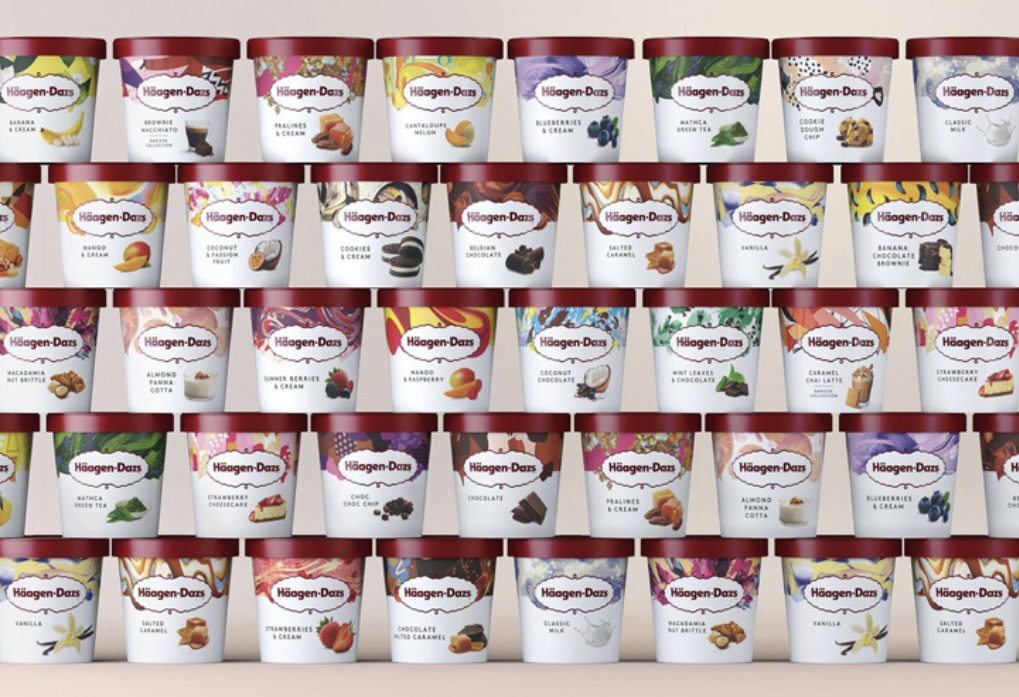
The brand shifted from a classic style to bright packaging that attracts attention on social media, all while maintaining its reputation, taste, and quality. Today, Häagen-Dazs is sold in more than 70 countries, holding its status as a premium ice cream brand for over 50 years.