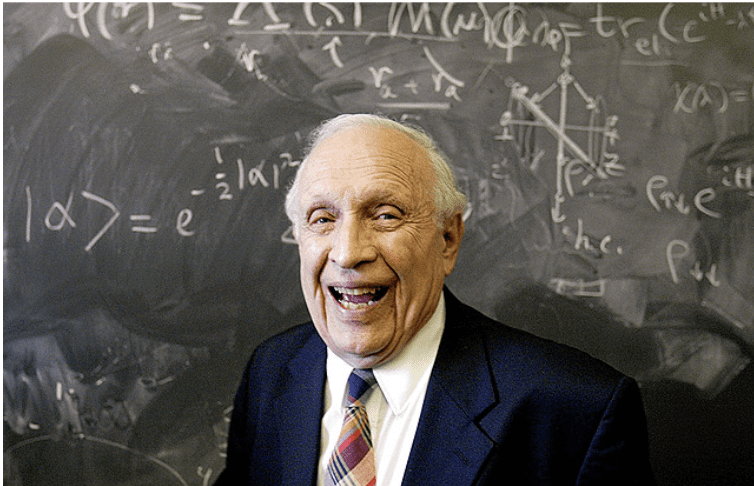

You’ve probably seen the recent film “Oppenheimer,” about the inventor who created the atomic bomb. In this article, we’ll tell you about a scientist from the Bronx who worked closely with Oppenheimer and also achieved remarkable results in science and research, specifically in nuclear scattering, statistical physics, and quantum optics. Read more on i-bronx.
A Childhood on the Road
Roy J. Glauber was born on September 1, 1925, to a family of traveling salesmen. His father could barely wait for the child to turn two so he could get back to work. So, as soon as Roy was old enough, his parents left their tiny apartment in Manhattan and hit the road. They traveled from farm to farm in the Midwest, selling various goods. The family spent almost every night in a different place, usually in small, uncomfortable rooms rented from farmers. Roy’s mother, a former elementary school teacher, was determined to make their nomadic life as educational as possible for her son. Glauber recalls that his mother always took him to fire and police stations, parks, factories, workshops, and various institutions. Roy remembers these days with special warmth and joy, as they were his real childhood. For this, he was willing to endure the long drives, the boring sales, and the constant change of places to sleep.
But in 1929, everything changed. The company his father worked for went bankrupt, and their car was repossessed. That day, Roy took his first real train ride and felt completely happy, unlike his parents.
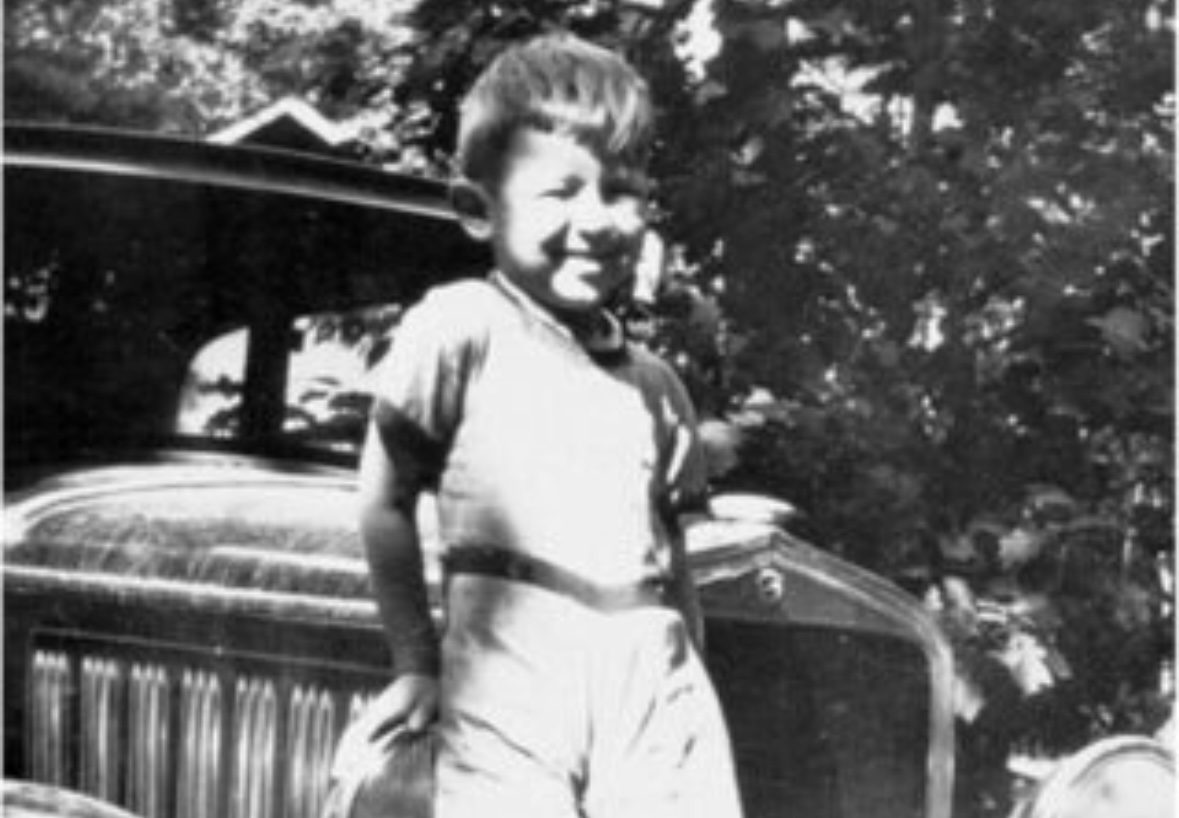
Their wandering life ended, but the family still moved constantly from one apartment to another, trying to make ends meet. In 1931, Roy’s sister was born, and he started school. The Glauber family finally settled down in the Bronx and began to get used to a stable, static life.
Read the article with interesting facts about the Bronx by following this link.
Roy did well in school and loved math and the natural sciences. But his true passion was astronomy, after his first visit to a planetarium. Then, Roy became fascinated with physics. In school, he began creating his first inventions, including a reflecting telescope and a device for detecting polarization phenomena by reflection.
At the age of 12, Roy J. Glauber gave his first scientific presentation at the American Institute of New York on Mount Palomar. The young scientist presented the future 200-inch telescope.
Bronx High School of Science and Harvard
In 1938, the Bronx High School of Science opened, and Roy became one of its first students. That class was truly legendary; his classmates included future Nobel Prize laureates: Sheldon Glashow and Steven Weinberg.
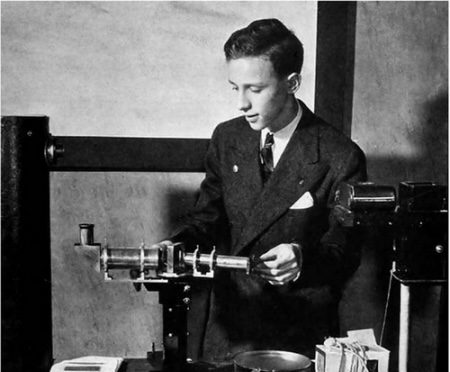
After the prolonged Great Depression, education finally experienced a revival. Both students and teachers enthusiastically plunged into the world of science. During this period, Roy had a scientific mentor—Dorothy Bennett, an assistant teacher at the Hayden Planetarium. She had witnessed his presentation about the telescope on Mount Palomar and invited the boy to the children’s astronomy club, which further sharpened Roy’s interest in creating optical instruments. In 1939, Glauber’s reflecting telescope was presented at the New York World’s Fair. Absorbed in research, Roy skipped many classes in other subjects, but the teachers forgave the talented student’s truancy because his presentations and inventions brought a solid reputation to the school. He took many subjects as an external student.
In 1941, Roy was an invited speaker at a New York conference on photographs taken with his telescope. That same year, the 16-year-old Glauber enrolled at Harvard. He hadn’t planned to apply to that university, but a good friend convinced him it was the perfect place for him.
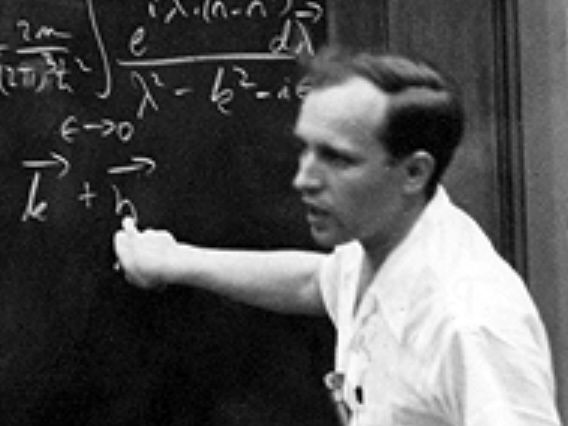
Although Roy received invitations from several other colleges, only Harvard offered him a full scholarship. Roy recalled:
“College for all students was primarily a social experience with the burden of coursework layered on top. For me, on the other hand, who had skipped a couple of grades and was two years younger than most of my classmates, it was the other way around. I enjoyed a few social contacts but worked hard on my studies, sometimes finding them difficult, but generally well-planned, and I truly enjoyed them.”
The Manhattan Project
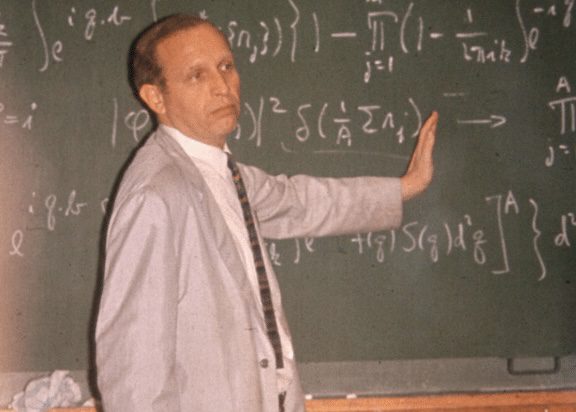
Roy’s very first academic year at Harvard was interrupted by the Japanese attack on Pearl Harbor on December 7, 1941, which led to the U.S. entry into World War II. As a result of the mobilization, many professors had to go into military service, while others shortened their courses to speed up student learning.
Glauber registered with the National Scientific Personnel Register and was recruited in October 1943 to work on the Manhattan Project. Within a few months, he arrived at the Los Alamos Laboratory, where he worked alongside prominent scientists such as John von Neumann, Hans Bethe, Richard Feynman, and Robert Oppenheimer.
Glauber spent three years in Los Alamos and was one of the youngest scientists on the project. At the time of his arrival, he was only 18 years old. Roy primarily focused on studying neutron diffusion, which was crucial for determining the critical mass of nuclear materials. This work was conducted under the supervision of Robert Serber and was documented in three major secret papers, some of which remain classified to the public. Among the published results were the analytical solutions to the generalized Milne equation for diffusion, which Glauber had found.
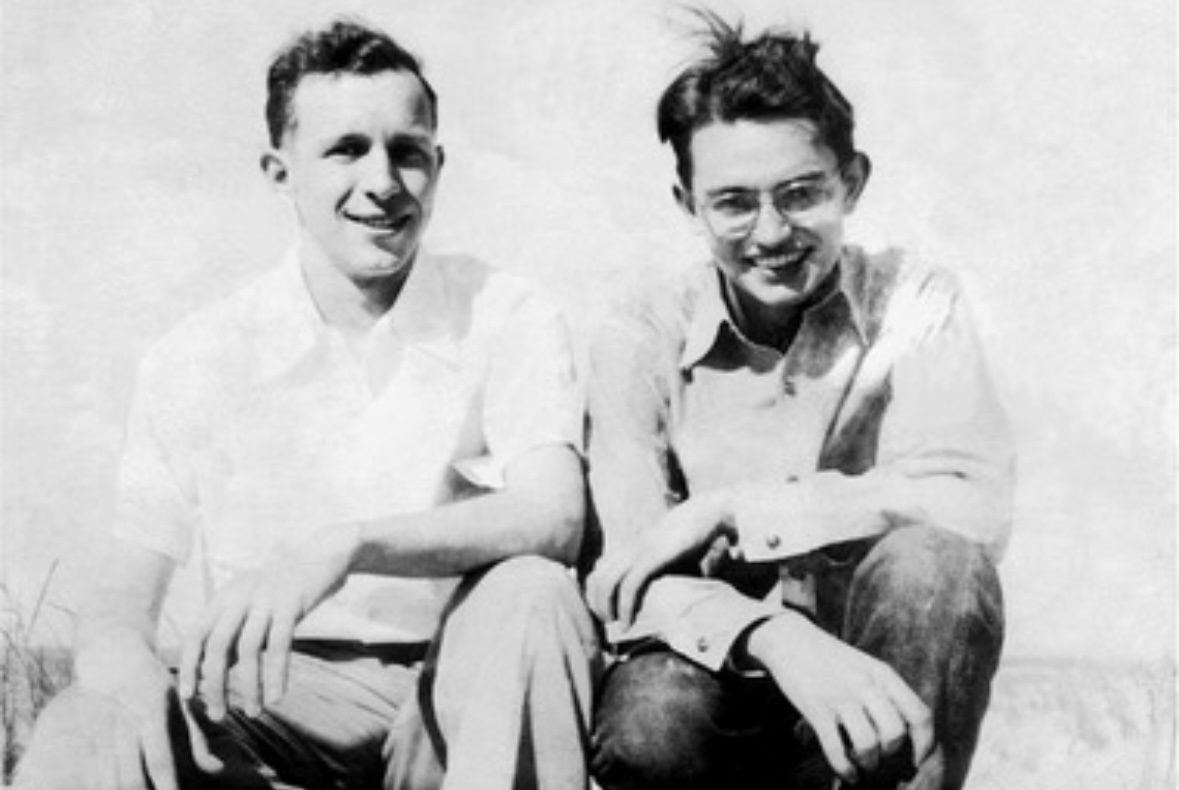
At a meeting of Nobel laureates in Lindau in 2016, Glauber commented on the Manhattan Project. He emphasized that no one viewed this weapon as a necessity in the fight against Japan. The project’s leadership was more concerned about the threat from Germany, although at the time the bomb was used, that threat no longer existed. After the project ended, all responsibility for using its results was transferred to the military.
A Life of Prolific Research
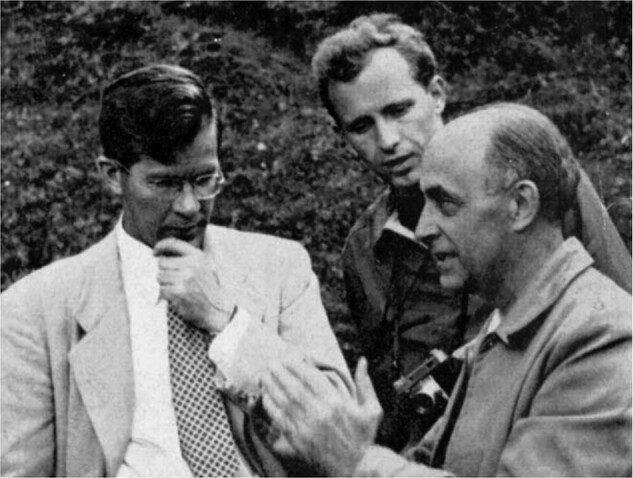
Returning to Harvard in 1946, Glauber continued his studies, completing the required courses for his bachelor’s and master’s degrees in physics, and began working on his PhD dissertation. Although his official advisor was Julian Schwinger, he worked largely independently.
In 1950, Roy secured a postdoctoral position at the Institute for Advanced Study in Princeton under the guidance of Robert Oppenheimer. Still, Glauber continued to relentlessly study and travel across the country giving lectures.
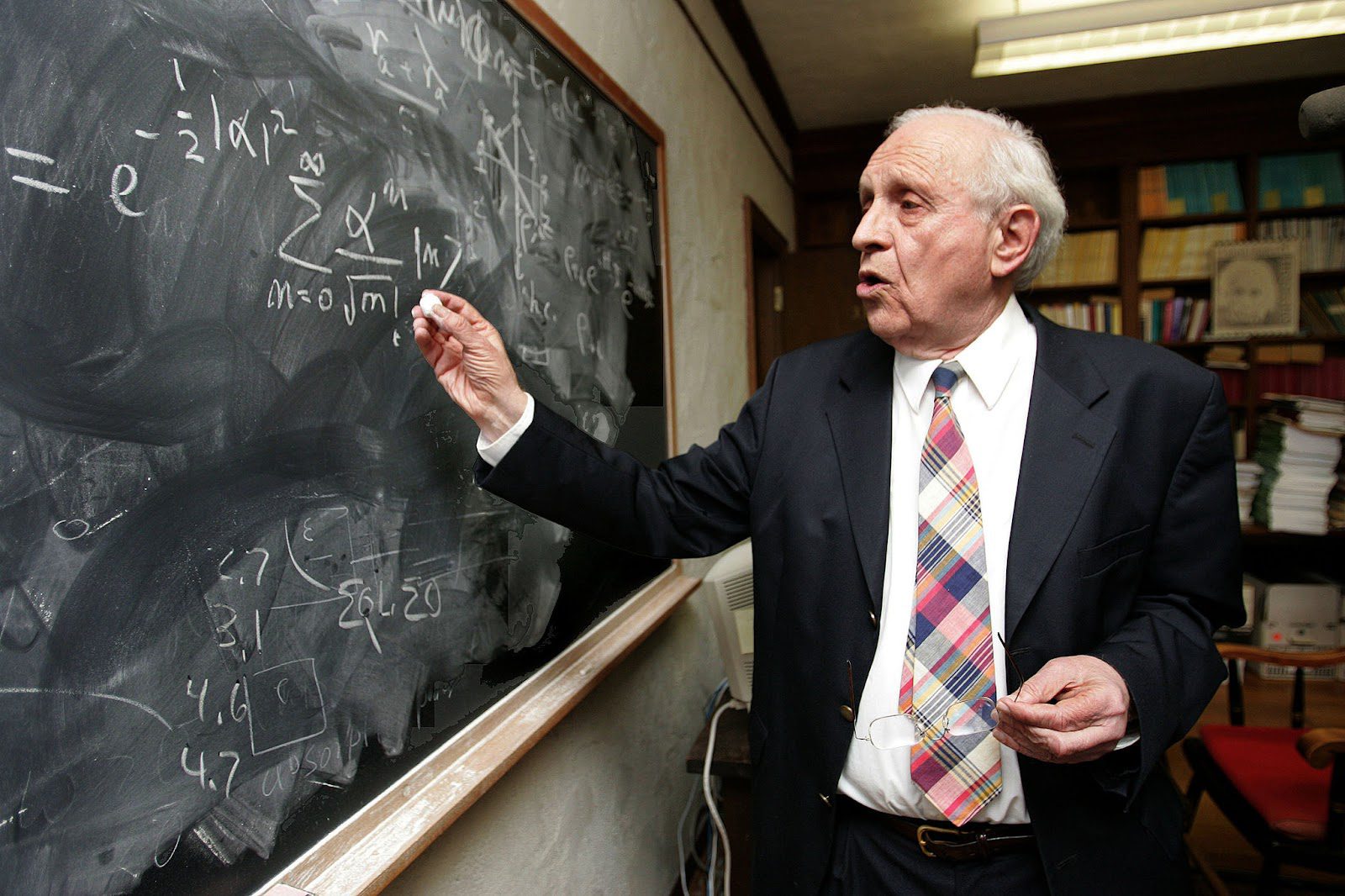
Three years later, he was drawn back to his alma mater—he returned to Harvard as an instructor, then became an associate professor, and later earned a full professorship.
Glauber was a member of the American Physical Society since 1972, the Optical Society of America since 1985, the National Academy of Sciences since 1988, and a foreign member of the Royal Society since 1997. He also served on the National Advisory Board of the Center for Arms Control.
In addition to the Nobel Prize in 2005, Roy Glauber received numerous awards for his research, including the Albert A. Michelson Medal (1985), the Max Born Award (1985), the Humboldt Prize (1989), the Dannie Heineman Prize (1996), and the Gold Council for Scientific Research Medal (2008).
Glauber’s contributions to nuclear scattering, statistical physics, and quantum optics are profound. He created a legacy that left a mark on modern physics. His concept of optical coherence became the basis for describing light and contributed to the development of quantum science.
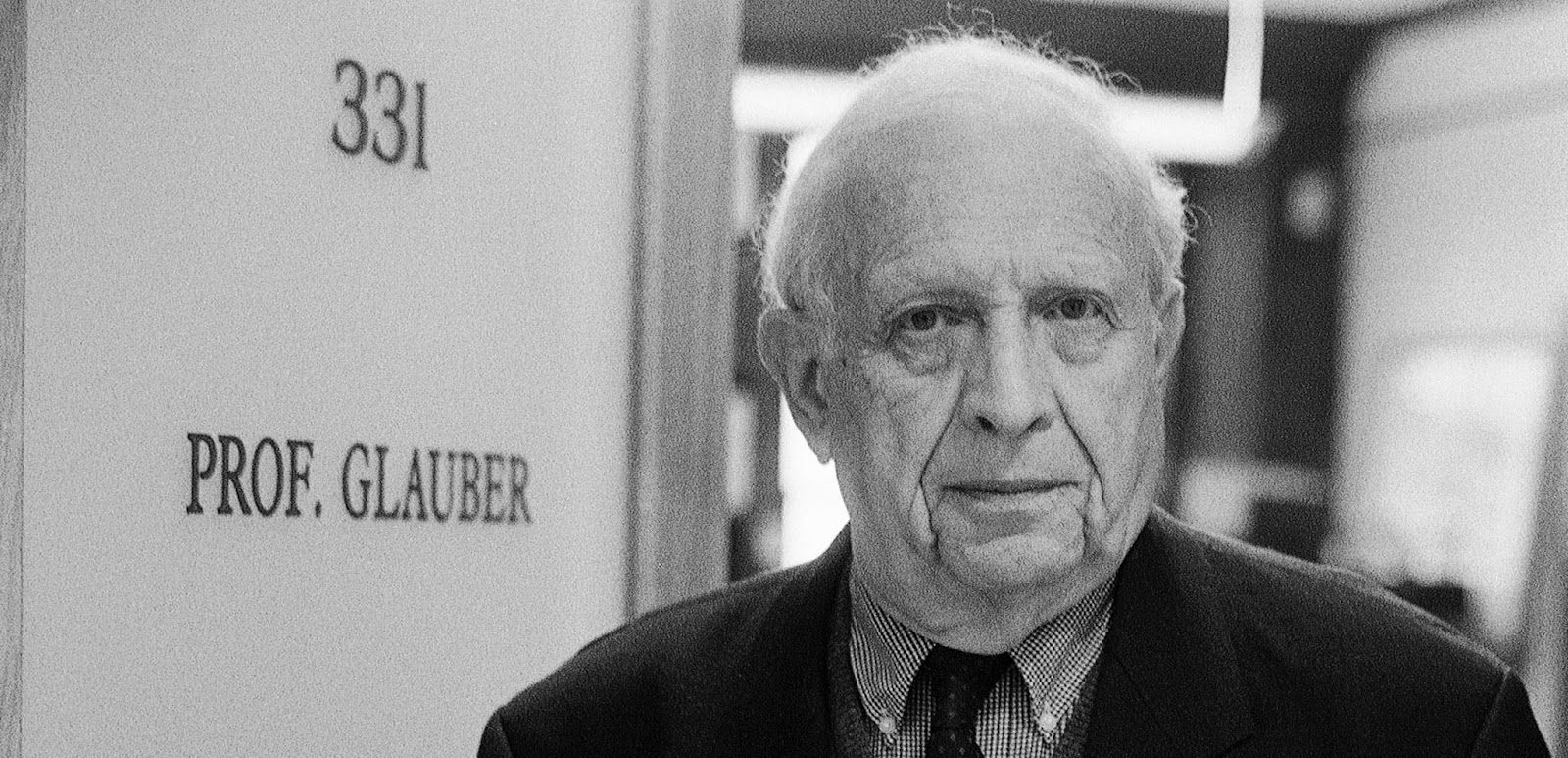
Beyond this, Glauber was a dedicated teacher and an excellent educator. Many of his students went on to become respected scientists and researchers.
Roy Glauber passed away on December 26, 2018, in Newton, Massachusetts, at the age of 93.
Read the article about another outstanding scientist from the Bronx by following this link.