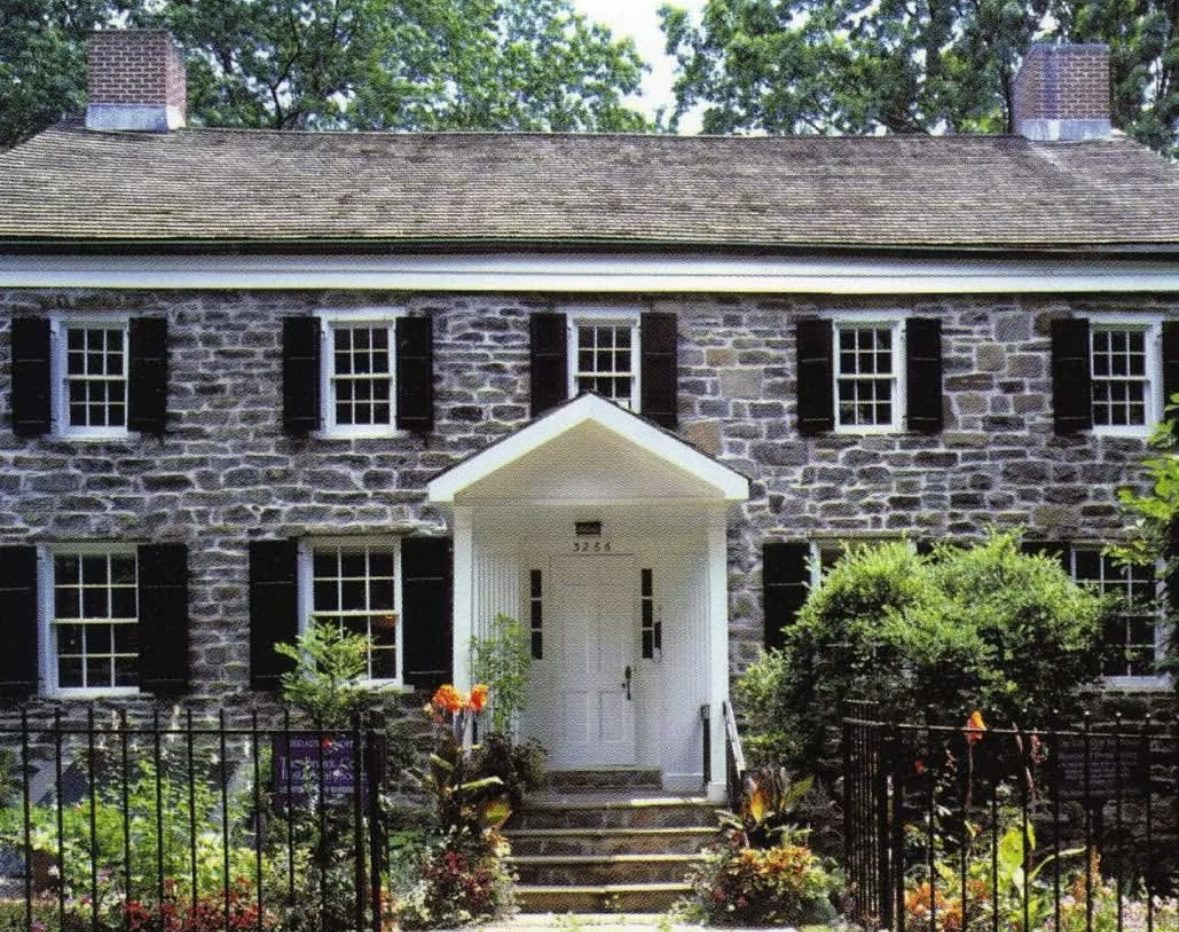

A great idea for an interesting and educational outing in the Bronx is a visit to the History Museum. It offers an interactive journey through history, the atmosphere of an 18th-century house, and a chance to stroll through the many gardens and parks nearby. In this article on i-bronx, we’ll tell you about the history of the building itself and the museum’s founding.
A Strategic Point During the War
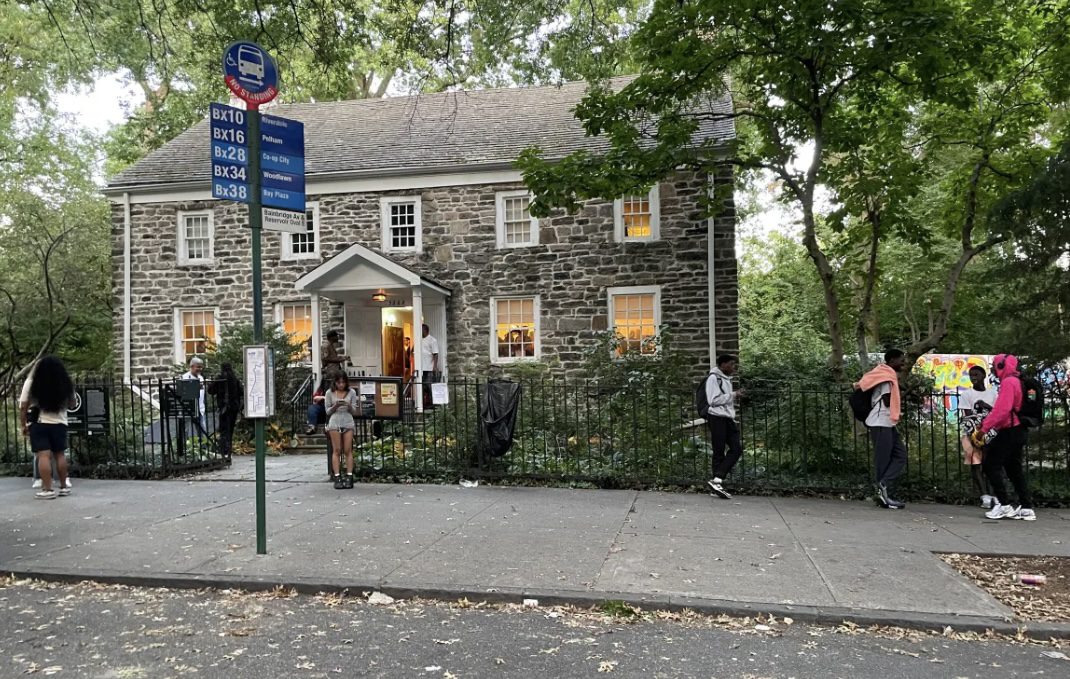
The building that now houses the Bronx History Museum is the second-oldest house in the borough. It was built in 1758 by a successful farmer and blacksmith from Yonkers, Isaac Valentine. The main materials he used were pine and stone.
It’s amazing that the building survived, since during the American Revolutionary War, it was literally on the front lines. The house was occupied at various times by Hessian, British, and American troops, and despite numerous battles nearby, it remained undamaged.
In 1776, the British occupied the farmer’s house and used it as their headquarters and a lookout post to observe the enemy, as George Washington was in the nearby Van Cortlandt House.
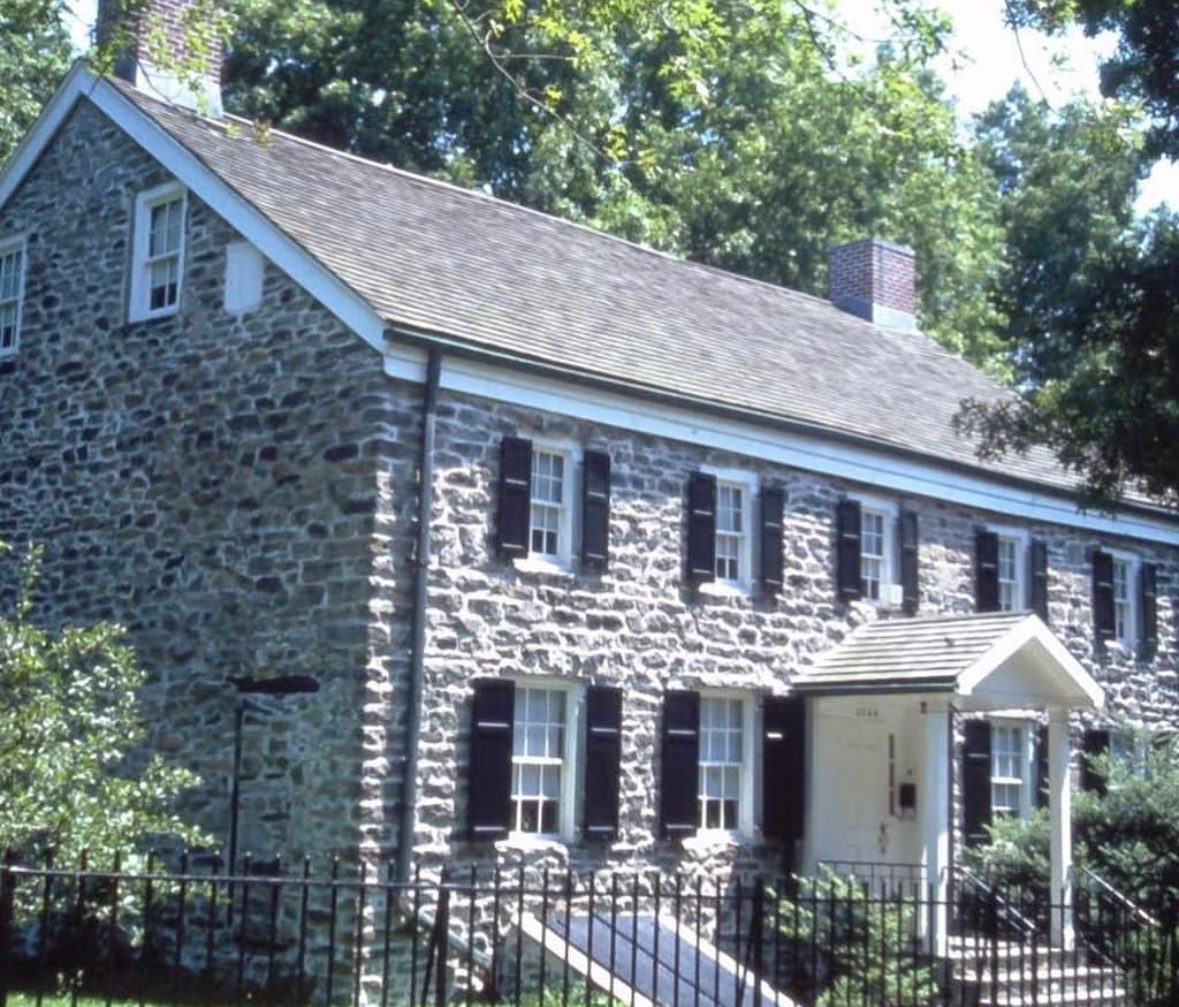
Poor Isaac couldn’t find peace in his own home, which became a site of frequent skirmishes between British and American soldiers. Unfortunately, the Third Amendment, which prohibits the quartering of soldiers in private homes without the owner’s consent, wasn’t in effect yet. Valentine’s unwelcome guests constantly changed: one moment the British would invade, and the next the Americans would use it as a strategic location to fight the enemy. This heightened military attention to the house was due to its location on Bainbridge Avenue, at the highest point of the eastern edge of the Bronx, which offered a perfect view of Boston Post Road.
The Fate of the House After the War
The war finally ended. Isaac Valentine had just breathed a sigh of relief, but it turned out that post-war consequences and other external factors hindered his farming business from thriving. First, the country was in a period of wild inflation and economic instability. In addition, the Hessian fly led to the destruction of almost all of Isaac’s wheat fields in southeastern New York. Disappointed and dejected, the farmer was forced to sell the house in 1792 to his wealthy namesake—Isaac Varian—who moved in with his family. In literature, this mansion is often called the “Valentine-Varian House,” after the two Isaacs. But there was a third as well: Varian passed the house on to his son, Isaac L. Varian, a New York State legislator for the Democratic Party and the 63rd Mayor of New York City from 1839 to 1841.
During the period of active urbanization, there were attempts to get rid of the house, as it didn’t fit into the urban landscape due to its preserved Georgian architectural style. But fortunately, it wasn’t destroyed; it was simply moved to another location in 1965. Where the farmhouse once stood, multi-story buildings now rise.
The Valentine-Varian House was saved from ruin by Jimmy Carter, who drew attention to it and allocated federal funds for its restoration as part of a neighborhood preservation program. Today, the building is protected by the NYC Department of Parks and Recreation and supported by the Bronx County Historical Society.
The House Becomes a Museum
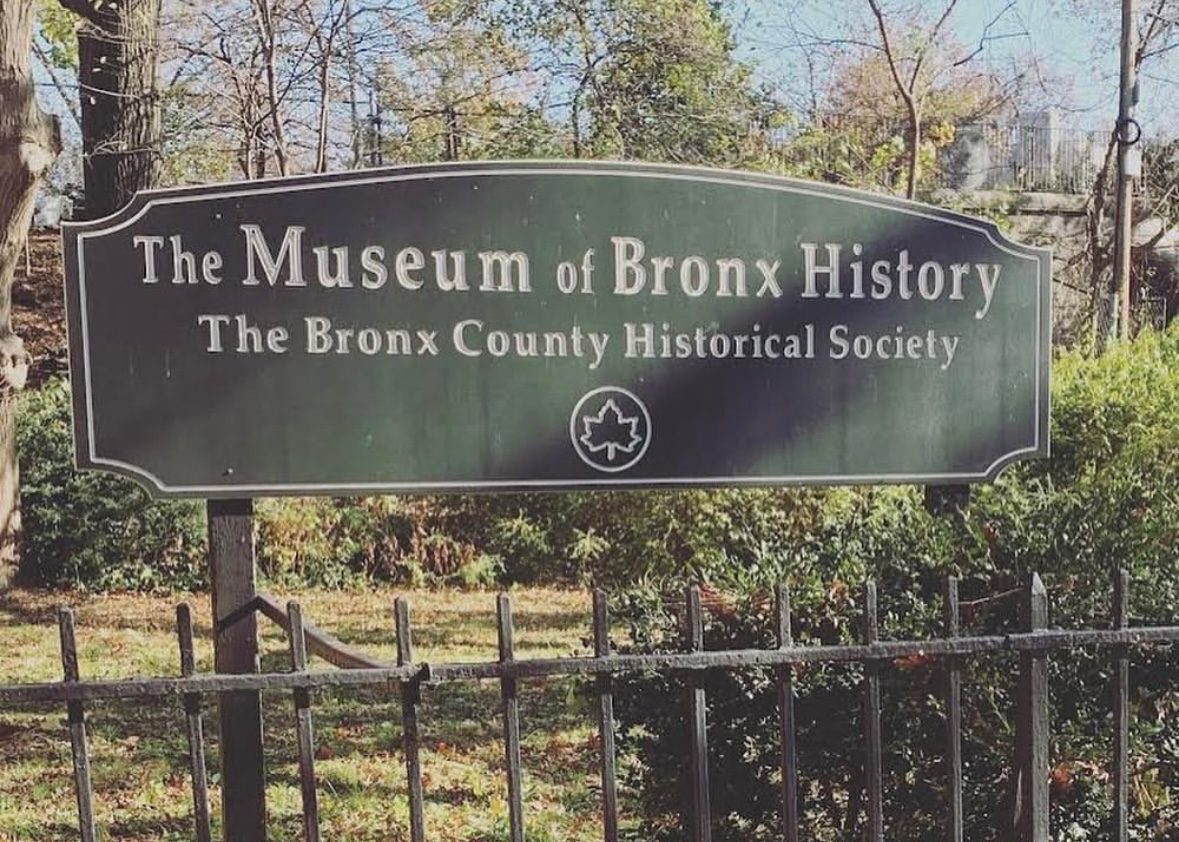
After the restoration of the Valentine-Varian House, there were several proposals for its future use. It was decided to found a museum there. An old 18th-century building that survived a war and many generations—where else could a history museum be located?
The museum opened its doors in 1968 after the restoration was completed, during which the original fieldstone walls and pine floors, crafted by the African artisans who worked for the original owner, Isaac Valentine, were preserved.
The Bronx History Museum is located in a quiet residential area at the intersection of Bainbridge Avenue and 208th Street, just a few minutes from the Montefiore Medical Center. The research library and archives of the Bronx County Historical Society are less than a block away from the museum.
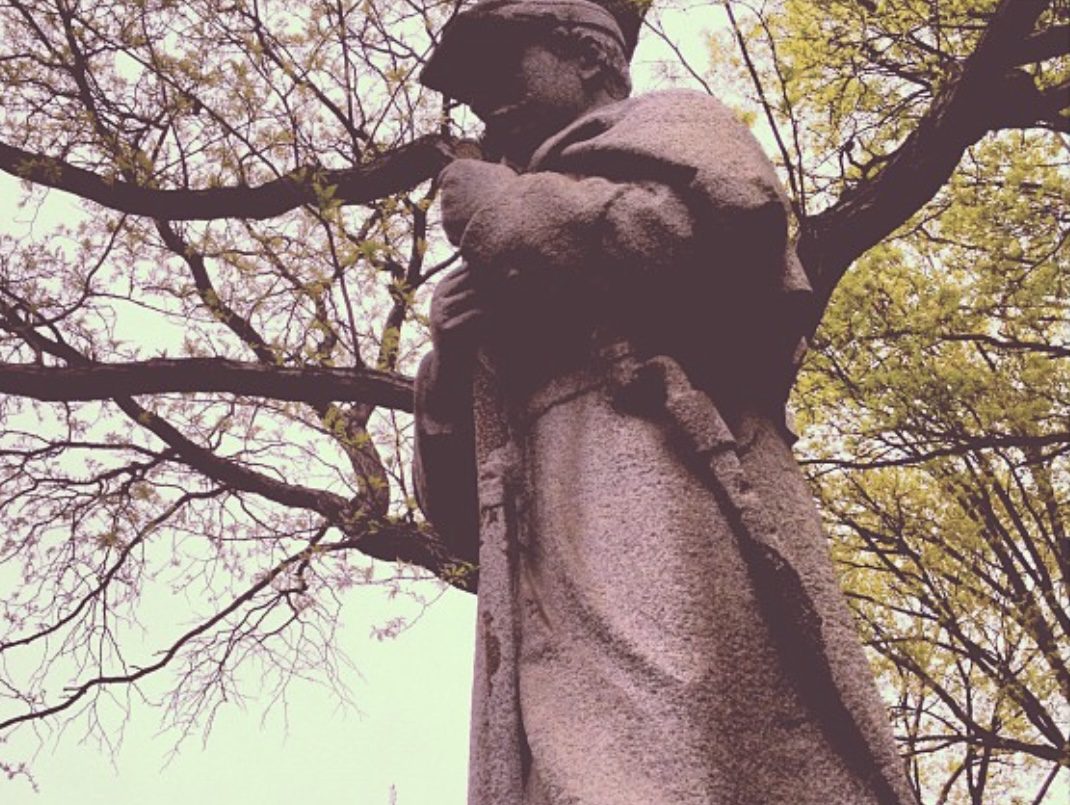
Although the building has two floors, the second floor is currently not accessible to visitors. The museum grounds feature a famous statue of a Civil War soldier, dedicated to the sentinel on the Bronx River. Its author is the sculptor John Grignola. The monument was commissioned by a group of Morrisania veterans in the late 19th century as a memorial marker for Woodlawn Cemetery, but it was damaged during transport and replaced with another monument. It’s known that some time later, the statue was purchased by John B. Lazzari, who believed that even with a small defect, it was a beautiful work of art that should be available to the public. The statue was installed on a pedestrian bridge over the Bronx River. But the fate of the poor stone soldier was still unhappy. In 1964, the statue fell and was damaged again. The Bronx County Historical Society restored it and put it on display next to the museum.
Permanent and Temporary Exhibitions
The Bronx History Museum occupies the entire first floor of the house. There are three large galleries and a gift shop where you can buy postcards, photos, commemorative figurines, magnets, and more.
The museum holds over 3,000 artifacts and photographs that illustrate the transformation of the Bronx from a rural area to a modern urban community.
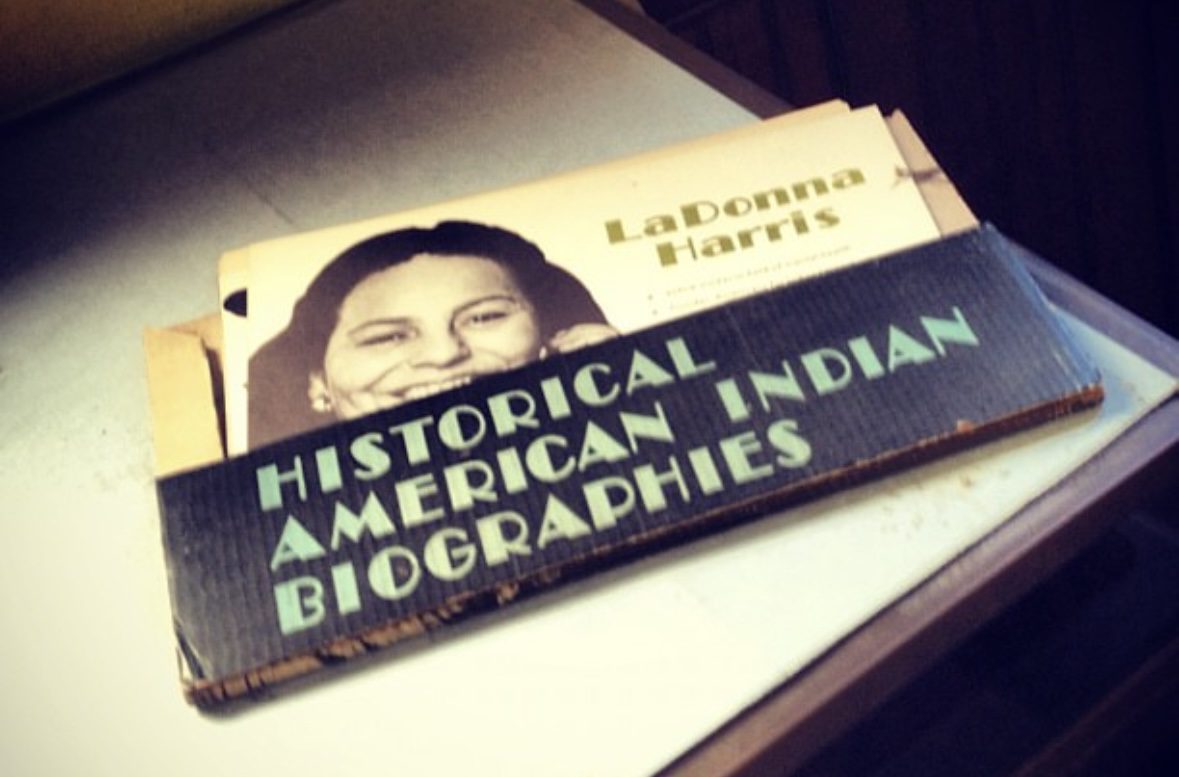
Visitors can learn about Native American traditions, the history of European settlers, the development of the transportation system, and the cultural growth of the Bronx as an important center of African American and Latino culture. The museum’s permanent exhibitions reflect the history of the Bronx, from the Revolutionary War to the present day.
There are separate exhibitions that tell the story of the house, the lives and careers of American presidents, important stages in the region’s development, the urbanization process, and more. A large collection of items related to American wars is also on display.
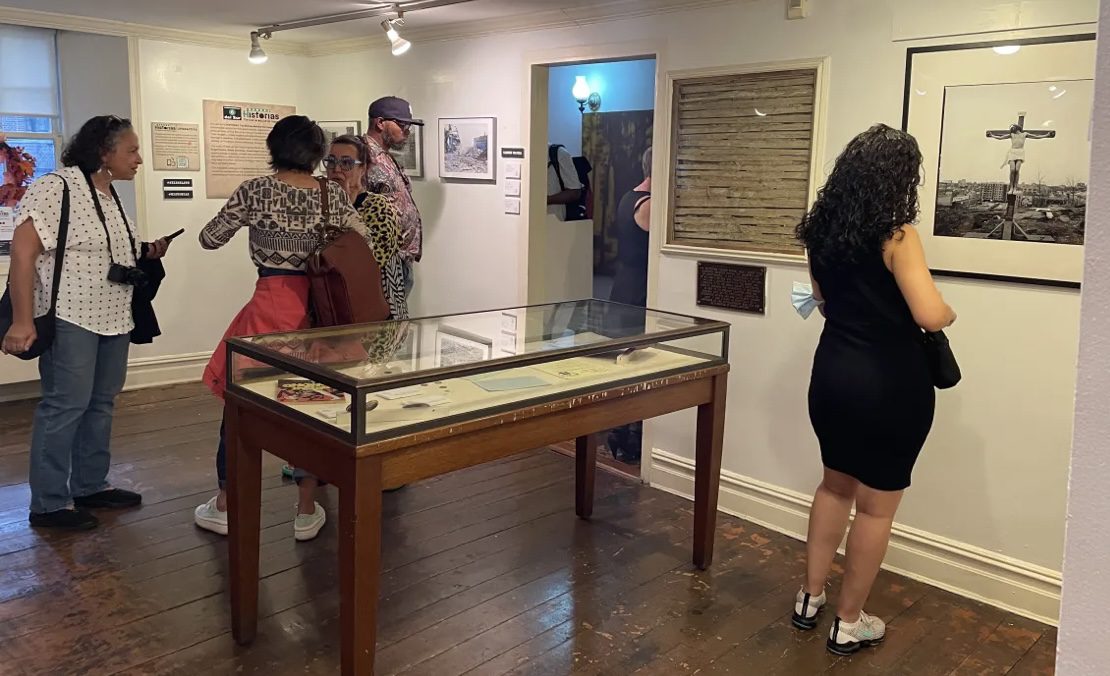
But in addition to the permanent collection, visitors are offered a look at interesting temporary exhibitions. Every year, the museum’s administration tries to show even more facets of the Bronx’s multilayered history. Over the years, the museum has hosted many fascinating exhibitions, including:
- History of the Bronx – Latino;
- Growth and Development of the Bronx;
- 100 Years of the Bronx;
- The Civil War;
- The Oldest Bridge in New York City;
- Westchester Town – The Beginning of the Bronx;
- America and the Great War;
- Cemeteries of the Bronx;
- Mott Haven: 50 Years of an Historic District.
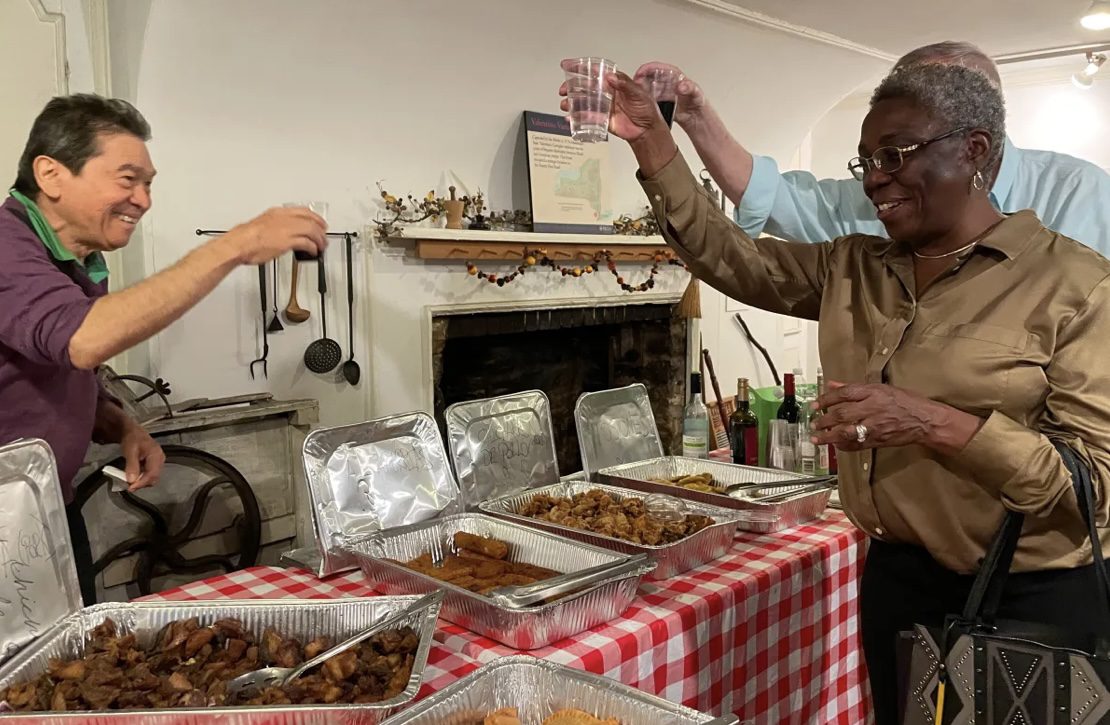
In January 2025, the Bronx History Museum held a large interactive photo exhibition dedicated to the Puerto Rican community.
The space was filled with long tables covered with red-and-white checkered tablecloths, holding aluminum trays with empanadas, tostones, and chicharrón. People enjoyed the food with wine, water, or sodas while learning about the life of the large Latino diaspora in the Bronx through rare photographs.
What You Need to Know Before Visiting
- The museum is only open on Sundays from 1:00 PM to 5:00 PM, so plan your visit in advance;
- Free admission for New York City residents is available through Culture Pass NYC;
- A private tour by appointment costs $25 for an adult ticket and $12 for a children’s ticket;
- You can get to the museum by MTA bus lines Bx10, Bx16, Bx28, Bx30, Bx34, and the express bus BxM4.
- If you’re taking the subway, take the D train to E. 205th Street/Norwood (the last stop) in the Bronx, then walk a short distance north along Bainbridge Avenue.
- A second option: take the 4 train to the Mosholu Parkway stop in the Bronx and walk east to Van Cortlandt Park East, then turn north and continue until you reach Bainbridge Avenue.
- If you’re already going to the History Museum, be sure to visit the nearby Van Cortlandt Park to get a double dose of enjoyment.
The museum holds tours, lectures, and seminars on various topics related to the area’s history and culture. Visitors can also enjoy the museum’s grounds, take a stroll through the beautiful garden, or sit in the cozy patio with a lovely view.