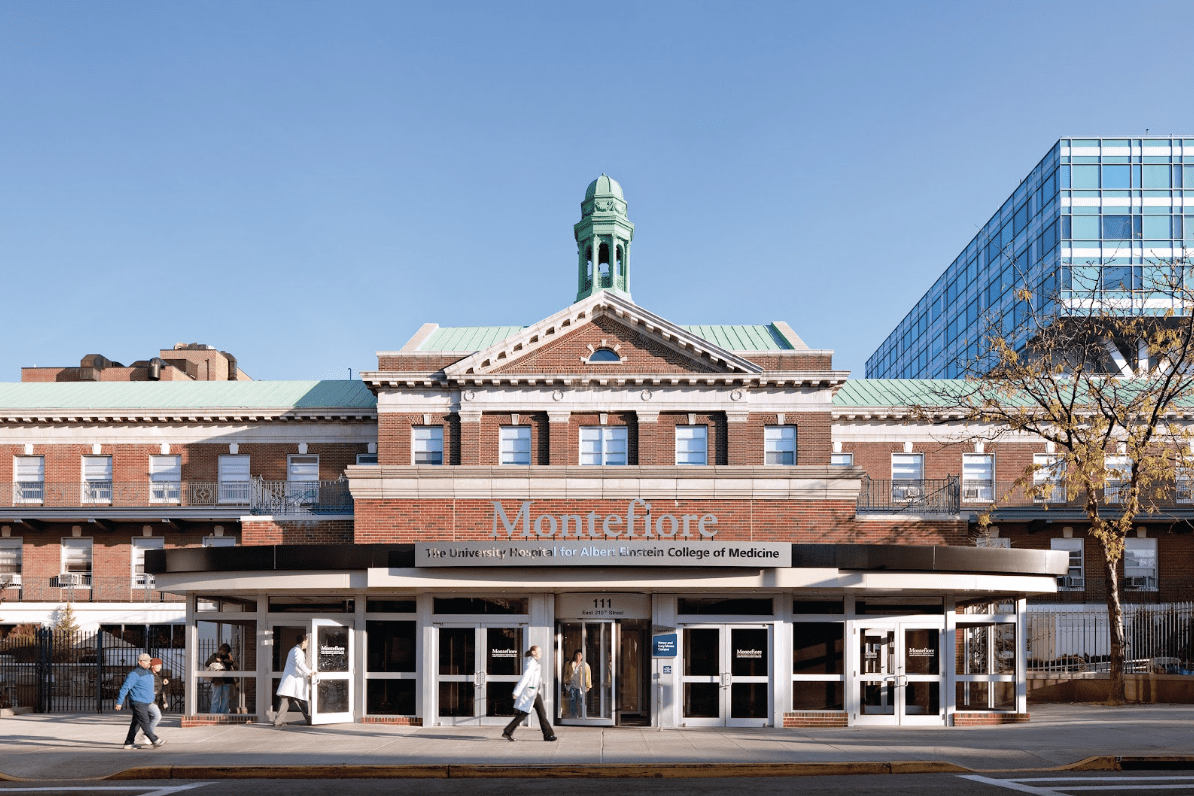

Sir Moses Haim Montefiore was a prominent philanthropist, public figure and financier in the nineteenth century. A large memorial plaque at the entrance to one of the districts in Jerusalem bears his name, listing his accomplishments. Another place named in his honor is one of the biggest medical centers in the United States, with 14 hospitals and departments. In this article, we will tell you more about him. Now let’s look into the history of the establishment and development of outstanding Montefiore Medical Center. Learn more at i-bronx.
Founding and early years of operation
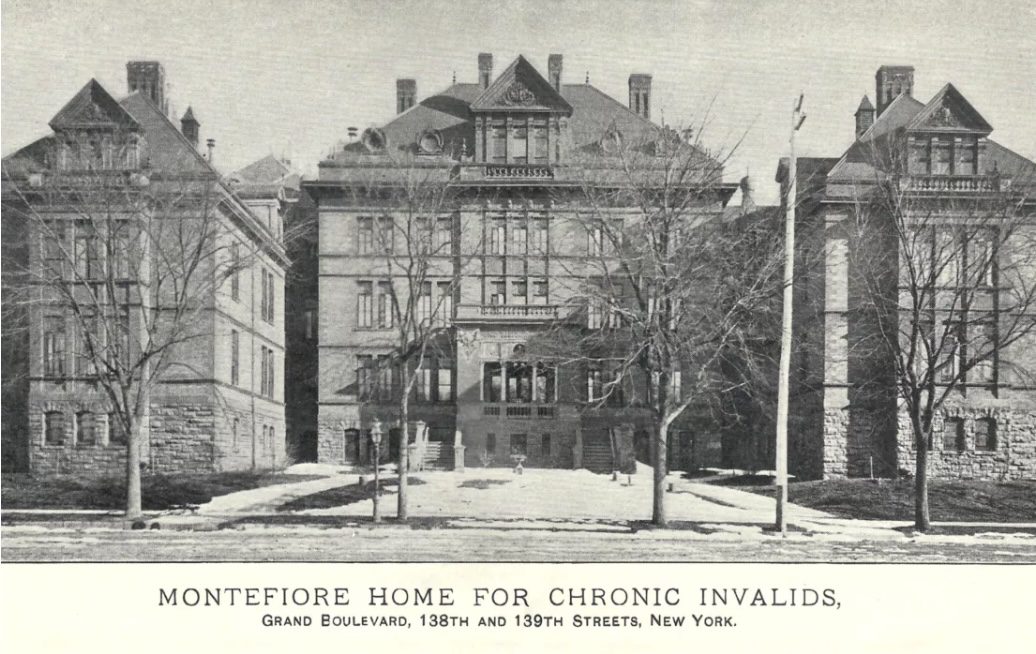
Today, thousands of Americans are treated at Montefiore hospitals every year. However, in 1884, the primary objective of establishing this medical center was to assist the Jewish community. The foundation was initiated by representatives from New York Jewish synagogues and Jewish philanthropists. The main initiator was Henry Pereira Mendes. He was the one who proposed the idea of memorializing the name of Moses Haim Montefiore. By the way, the first hospital opened in Manhattan. It was known as the Montefiore Home for Chronic Invalids. At the time, it was then the only hospital that accepted patients who had been discharged from other hospitals to die at home. Doctors focused their efforts primarily on treating tuberculosis, which was the leading cause of excess mortality in America in the late nineteenth and early twentieth century.
Read an article to learn more about the asthma epidemic in the Bronx here.
In 1901, Montefiore Hospital began using adrenalin chloride to treat asthma. In 1905, a new medical department was established here. Previously, no one was concerned about patients after discharge. However, Montefiore paid special attention to this issue and established a department that treated patients outside of the hospital.
Montefiore Medical Center is now predominantly associated with the Bronx, even though it did not appear in this part of New York until 28 years after its founding, in 1912.
Another accomplishment made within the walls of Montefiore in the early twentieth century was the development of the cardiotachometer, a device that measures heartbeats.
50s and 60s: Establishment of a college and contribution to the advancement of cardiac surgery
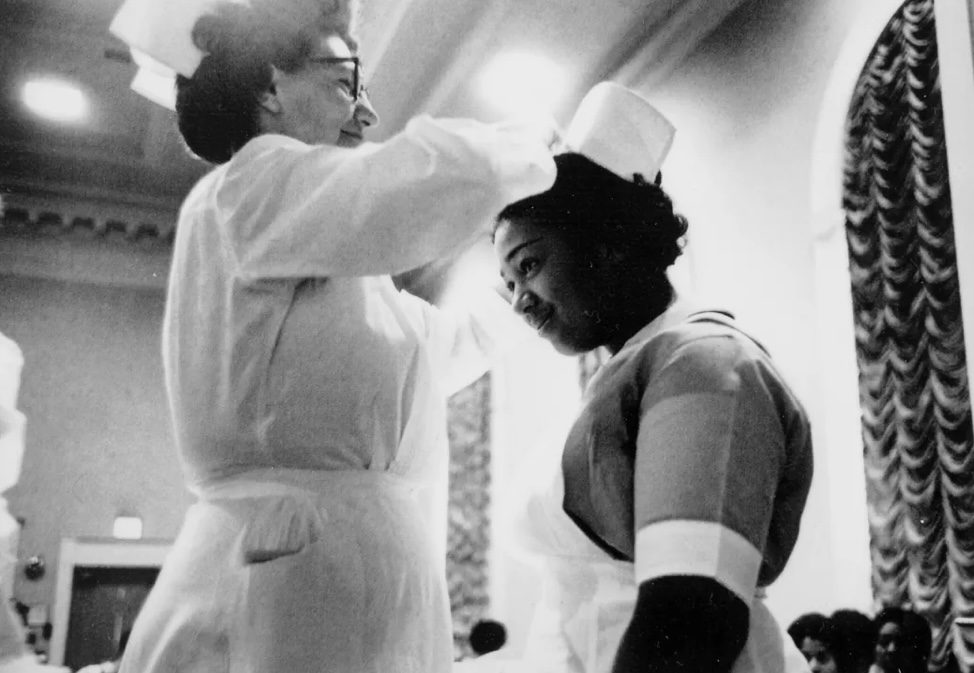
Montefiore Medical Center served as the foundation for the Einstein College of Medicine, which opened in 1955. Previously, in 1953, the prominent professor officially agreed to use his name for the newly founded medical education institution. At the time, 56 students were accepted into the first class, including 53 men and 3 women.
The training was carried out as efficiently as possible because students were able to obtain valuable practical skills on the hospital’s premises and study specific cases with access to real medical records, examinations, consultations, conferences and operating rooms.
The Albert Einstein College was the first medical school in New York City with an academic department of family medicine, a department of genetics and a residency program with a focus on women’s health.
In 1966, Montefiore expanded, establishing the Dr. Martin Luther King Jr. Health Center in the South Bronx.
During these years, research and implementation of significant breakthroughs in cardiac surgery were underway. The heart-lung machine developed at Montefiore has saved the lives of hundreds of children born with heart defects. In 1958, they developed a phone-based system for monitoring pacemakers.
The first kidney treatment program for children, a dialysis unit, the establishment of the Children’s Evaluation and Rehabilitation Center and the development of a transvenous pacemaker. These are merely a few of the notable medical events that occurred in the 1950s and 1960s in which Montefiore Medical Center was involved.
70s and 80s: Establishment of new centers, focusing on the treatment of cancer, AIDS and liver conditions
During these years, Montefiore has been continuously developing and building new centers. Among them are:
- the Rose F. Kennedy Intellectual and Developmental Disabilities Research Center
- the Arthur B. and Diane Belfer Educational Center for Health Sciences with numerous classrooms and laboratories
- Einstein’s Liver Research Center (now the Marion Bessin Liver Research Center), which was the first in America and is still successful, as well as funded by the NIH (US National Institutes of Health)
- the Montefiore Einstein Comprehensive Cancer Center
- the Jack and Pearl Resnick Gerontology Center, which conducts research on aging-related diseases, including Alzheimer’s and other types of dementia
- the Center for AIDS Research
- the Belfer Institute for Advanced Biomedical Studies
- the Child Protection Center, which is also the first in New York and is devoted to assessing, treating, monitoring and preventing child abuse.
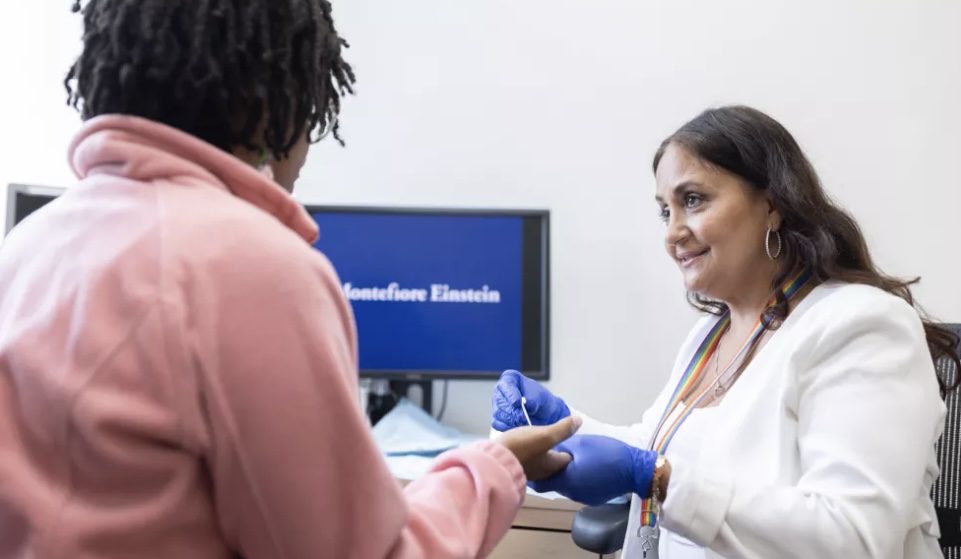
The concerted efforts of Montefiore scientists and doctors have contributed to extraordinary achievements in cancer treatment. In the 1970s, minimally invasive robotic surgery for head and neck cancer was introduced, and New York’s first specialist program for the treatment of endocrine and neuroendocrine tumors was founded.
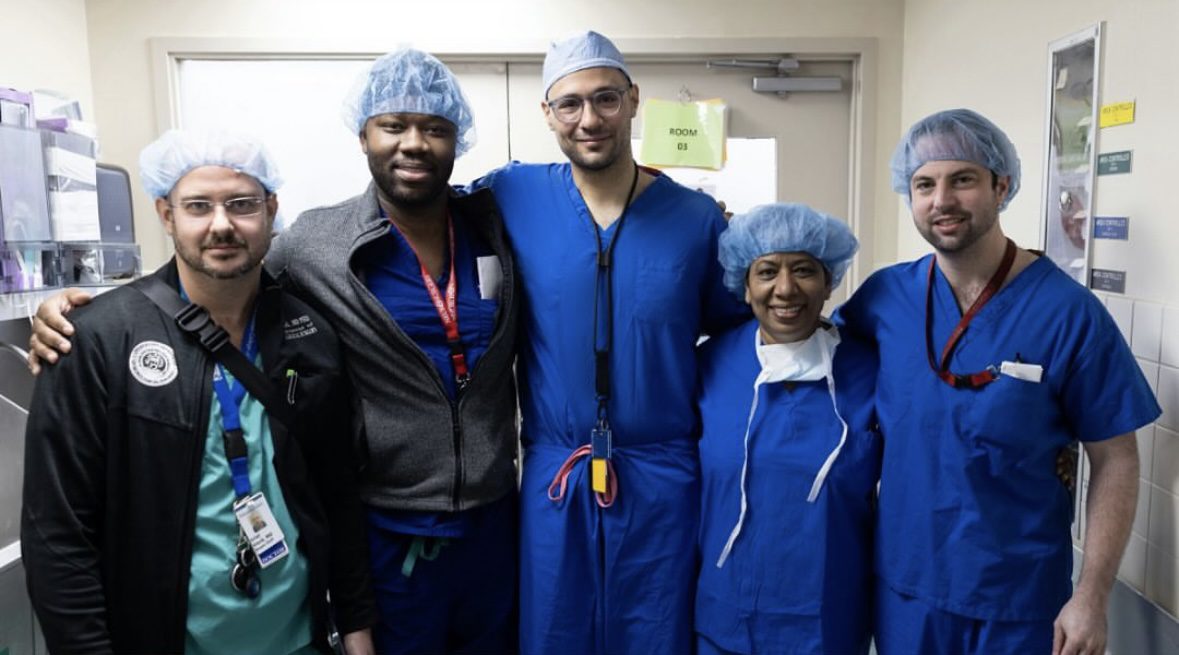
In 1972, one of Montefiore’s hospitals performed one of the country’s first kidney transplants on children.
90s and 2000s: Development of pediatrics and genetics, international programs and code of ethics
Montefiore kept constantly growing and gained popularity not only in the United States but also internationally. It was the Albert Einstein College that became the only medical school in New York chosen by the NIH to take part in the Women’s Health Initiative. In the 1990s, Montefiore established a close partnership with the Rabin Medical Center in Israel and developed educational and exchange training programs for doctors and scientists.
In the 2000s, there was a focus on studying the health of the Latin American population, various global studies were launched in this field.
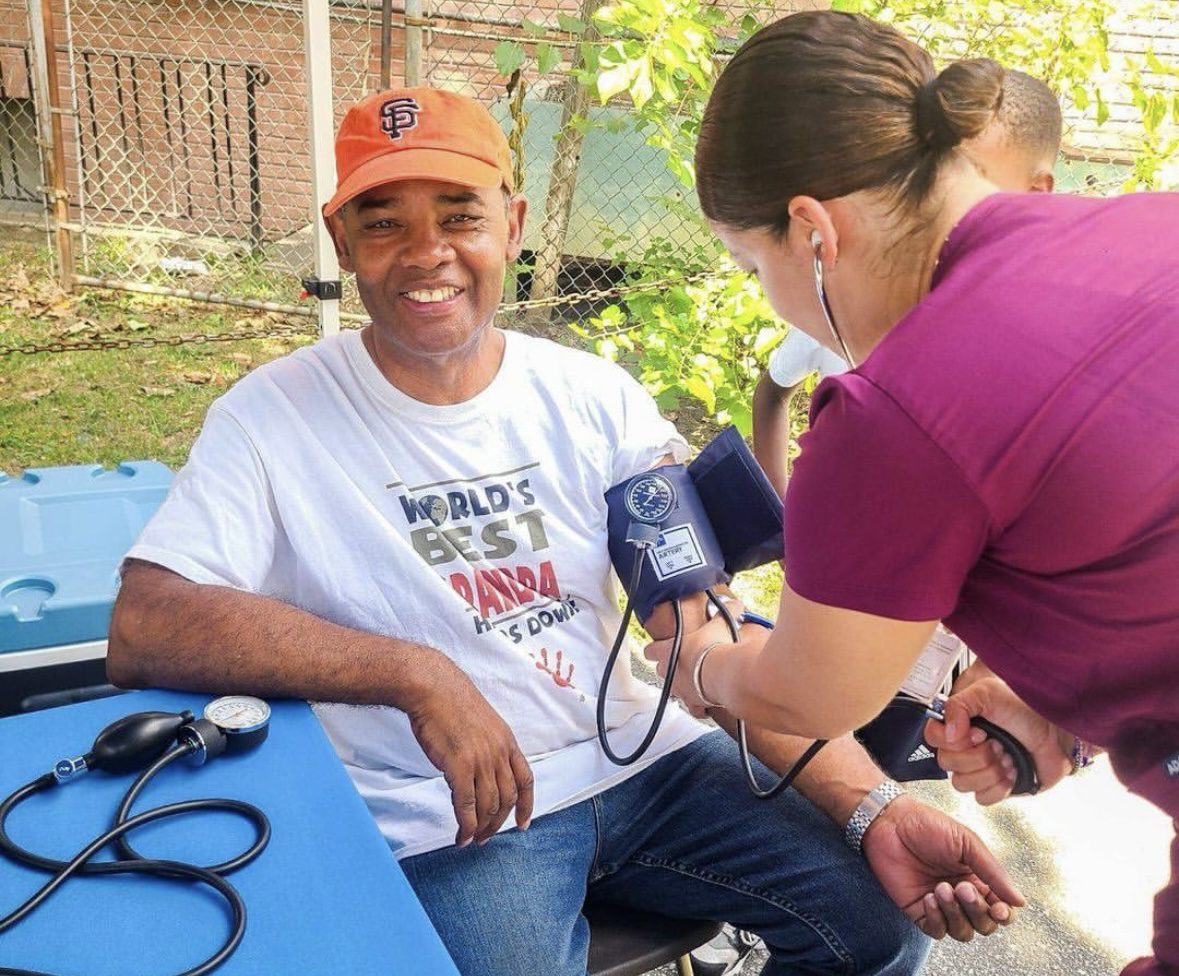
In 2001, Montefiore Children’s Hospital was opened, which has been consistently ranked among the top in the country since its inception. Children with complex conditions in endocrinology, diabetes, gastroenterology, nephrology and surgery are admitted here. Every year, the hospital admits more than 1,100 children to the intensive care unit alone. In total, Montefiore treats approximately 200,000 children yearly.
Additionally, this chronological period was distinguished in the history of the center by the following notable events:
- the first minimally invasive repair of an abdominal aortic aneurysm
- the opening of a 10-story biomedical research center in 1996
- the discovery of longevity genes
- the first successful operation to separate twins connected by heads in 2004
- the establishment of the Gruss Magnetic Resonance Research Center and the Michael F. Price Center for Genetic and Translational Medicine
- the first pediatric heart transplant in the Bronx in 2009.

Montefiore was also one of the first medical institutions to develop and employ a Code of Organizational Ethics.
2010s and present: Transplants and the fight against cancer and COVID
The second decade of the twenty-first century began with a unique dual heart and liver transplant carried out by leading Montefiore transplantologists. At the same time, large-scale research was being performed on the implantation of a temporary artificial heart. As a result, Montefiore doctors acquired certification and performed multiple operations that saved thousands of lives.
Oncology research remained ongoing. In 2013, an immunotherapy trial for Yescarta took place, as was the groundbreaking CAR T-cell treatment, which changes the patient’s own immune cells to enhance their ability to recognize and destroy cancer cells.
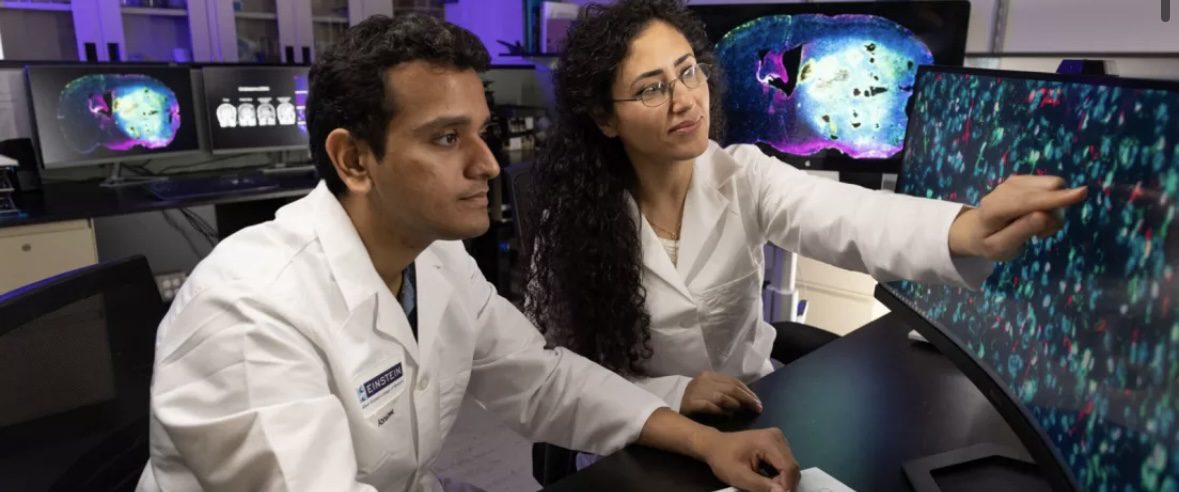
In 2018, the largest randomized adjuvant breast cancer trial was conducted along with a number of studies on melanoma and pancreatic cancer as part of cancer control programs.
The world’s first heart transplant for an HIV-positive patient was also performed successfully in a Montefiore hospital.
In 2023, the Montefiore Einstein Comprehensive Cancer Center was recognized by the NCI (National Institute of Oncology) and ranked in the elite 1% of NCI Comprehensive Cancer Centers in the United States.
Of course, the establishment of new institutions, branches and laboratories continued as well.
During the 2020 COVID-19 pandemic, Montefiore Medical Center was one of the first designated COVID centers in New York, as well as the first to do its own COVID-19 testing utilizing polymerase chain reaction.
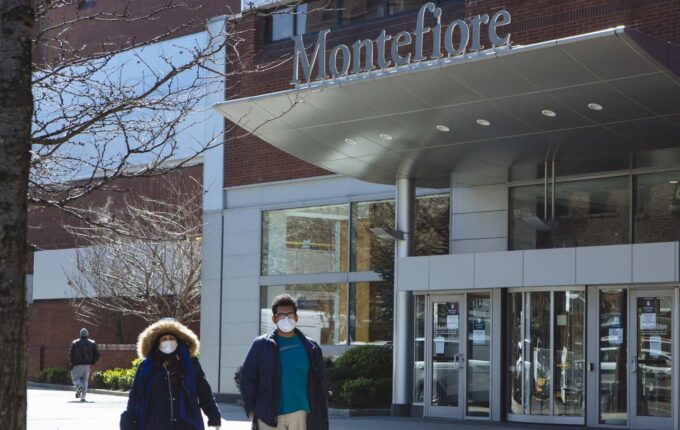
In September 2024, Montefiore Medical Center once again demonstrated its position as one of the top medical facilities in the United States. This year, it was named one of the top 1% of hospitals, offering comprehensive specialized care in nine areas such as: oncology, diabetes and endocrinology, geriatrics, cardiovascular disease, neurology and neurosurgery, orthopedics, pulmonology and lung surgery, rehabilitation and urology.

Read an article on a well-known Bronx doctor who studied and worked at Montefiore here.