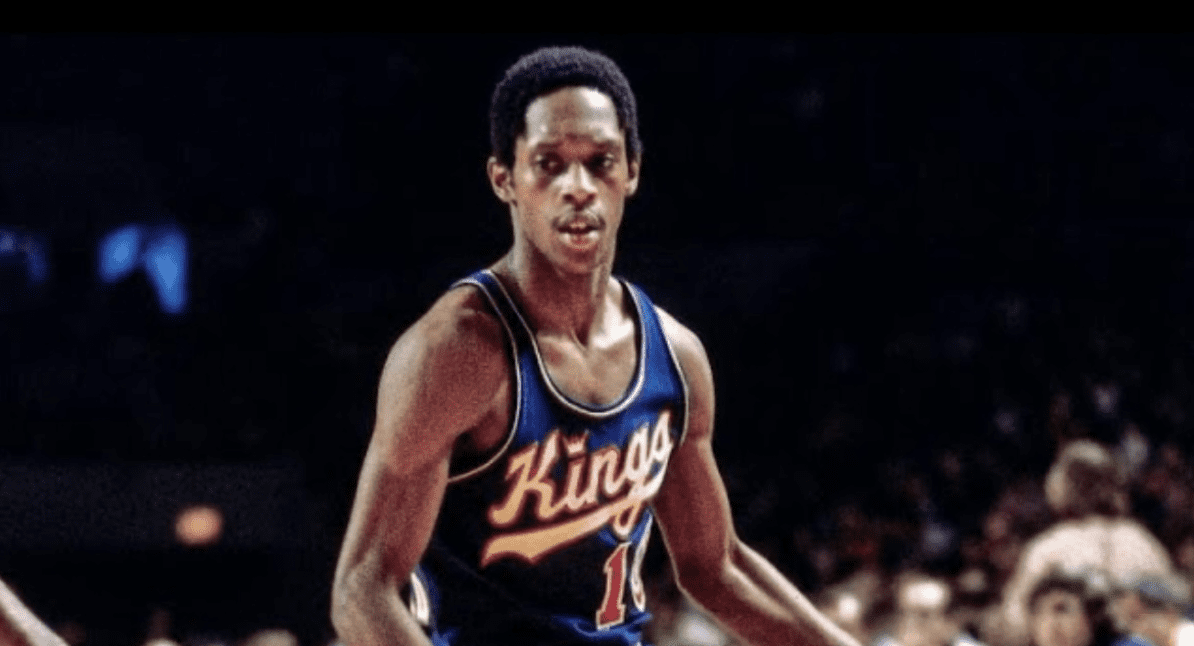

Nathaniel Archibald shattered several stereotypes. No one believed a poor kid from the South Bronx could succeed. Everyone was used to thinking that a true basketball player had to be tall. It’s also often assumed that athletes aren’t very smart because they spend all their time on practice and games. But Nate Archibald from the Bronx, who stood at 6 feet 1 inch, not only became a famous basketball player but also made it onto the NBA’s 50 Greatest Players list. In addition, he earned both a bachelor’s and a master’s degree in professional education. How did he manage it all? We’ll tell you in this article on i-bronx.
Basketball Instead of Drugs
Nathaniel (Nate) Archibald was born in Patterson in the South Bronx—one of America’s poorest and most crime-ridden neighborhoods. From childhood, he loved basketball and spent every free moment practicing to avoid the drugs and violence that had taken the lives of many of his friends.
Nate grew up in a small two-bedroom apartment in a family with seven children. At 14, he effectively became the man of the house after his father left them. Nathaniel was the oldest child, so he helped his mother with his younger brothers and sisters as best he could. The only thing Archibald got from his father was the nickname “Big Tiny.” But he made it famous in the world of professional sports, while the elder “Big Tiny” was known only to local gangs and drug addicts.
“It’s funny,” Archibald told Sport magazine in 1980, “why do guys who take drugs always try to get other guys into it, as if they need company when they’re wasting away? I was always into basketball and didn’t fall for any of those questionable offers.”
Although Nate had decent basketball skills, he was a small and very shy boy who lacked confidence on the court. In his sophomore year of high school, he still couldn’t make the basketball team. Archibald almost gave up on himself and the world, and he even considered dropping out of school.
Crucial Support and Dedication to a Dream
Floyd Lane, who was the athletic director and later the head coach at City College in Manhattan, came to Nate’s rescue. Lane knew the high school team’s coach and asked him to give Archibald another chance. Eventually, the boy made the team.
Although Lane and others supported Archibald and convinced him to stay in school, his grades were still subpar, which made it impossible for him to get a major scholarship. Getting into any college in New York with such poor grades was almost impossible. But Nate knew he had to get into college because that’s where he could continue doing what he loved most in life—playing basketball.
As a result, he put in maximum effort during his senior year, left New York for the first time, and enrolled at Western Arizona Junior College. After a year there, Nathaniel Archibald earned a scholarship to the University of Texas at El Paso, where he had three outstanding basketball seasons from 1967 to 1970 under coach Don Haskins.
Cincinnati Royals / Kansas City Kings
Archibald’s professional career began in 1970 when the Cincinnati Royals, led by former Celtics star Bob Cousy and general manager Joe Axelrod, selected him as the second pick in the second round of the draft. Other players in that draft included Bob Lanier, Rudy Tomjanovich, Pete Maravich, and others. When Cousy and Axelrod first saw the young Archibald at a hotel in Memphis, they initially mistook him for a bellboy because of his youthful and humble appearance. However, Nate soon proved that his small stature of 6 feet 1 inch was no obstacle to success on the basketball court.
In his debut season, Archibald unexpectedly earned a spot in the Royals’ starting lineup due to a contract dispute with veteran Flynn Robinson. He showed solid results, averaging 16 points per game, although the team finished the season poorly with a 33-49 record.
In the next season, Archibald seemed a bit lost and started turning the ball over frequently. Cousy and Axelrod considered trading him for a more experienced player, but they ultimately decided to trade Norm Van Lier for Jim Fox instead. After that, Nathaniel got it together and even became the team leader, replacing the injured captain, Tom Van Arsdale. In the 1971–1972 season, he showcased his skills, averaging up to 34 points per game.
Before the 1972–1973 season, the team moved and was renamed the Kansas City Kings.
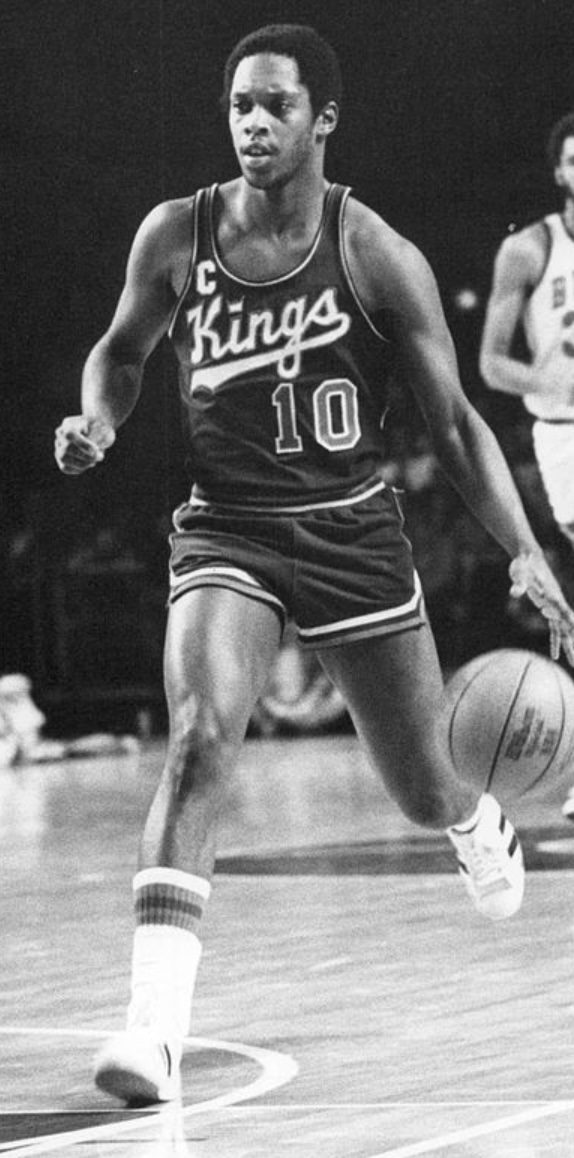
It was with this team that Archibald made his first All-Star Game appearance. In that season, he became one of the best players from the second round of the draft, averaging 34 points and 11.4 assists per game. At the end of the season, he was named to the All-NBA First Team. However, the team was not successful, finishing the season with a 36-46 record. In addition, Archibald’s personal life became a source of problems: one of his brothers was in prison for robbery, and another was struggling with drugs. Archibald missed practices and games because he couldn’t leave his family in trouble.
In the 1973–1974 season, an Achilles tendon injury forced Nate to play in only 35 games and score just 17.6 points per game. However, in the 1974–1975 season, he returned to form, playing all 82 games and helping the team achieve their first winning record since 1966.
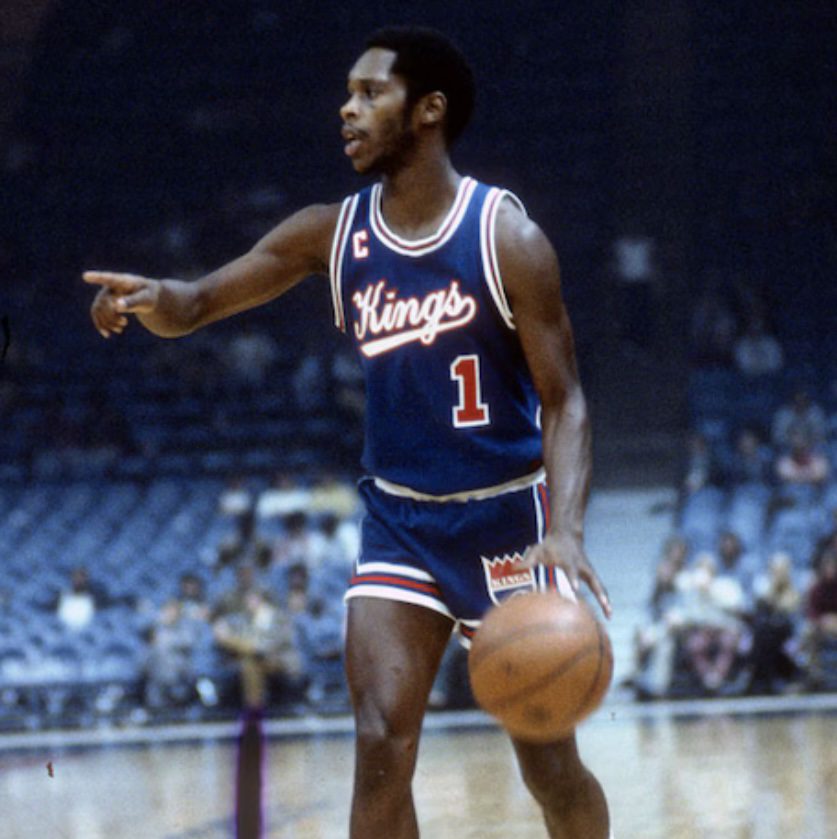
Before the 1976–1977 season, Archibald was traded to the New York Nets, but he played in only 34 games due to a serious foot injury, after which he missed the entire season.
Boston Celtics
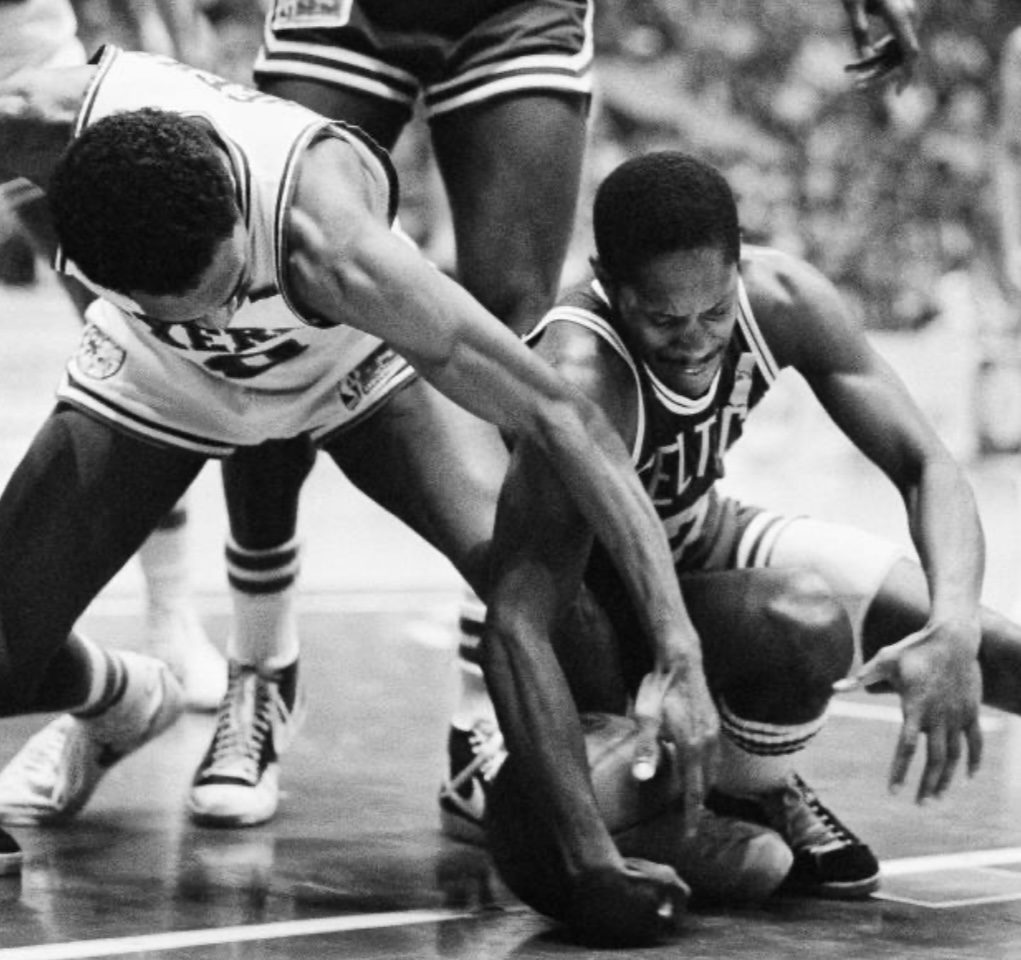
Before the 1978–1979 season, Archibald was traded to the Boston Celtics. However, the transition to the new team was not easy: Nate had gained weight, his game became slow and clumsy, his role on the team was unclear, and conflicts with coach Dave Cowens flared up. Rumors began to circulate about Archibald potentially leaving the team. One NBA general manager expressed doubt that anyone would want to sign a player with a bad reputation. It seemed Archibald’s career was coming to an end. But while the press was writing about his possible demise, the Celtics were working to rebuild the team under new owner Harry Mangurian and new coach Bill Fitch. Newcomer Larry Bird and other talented players joined the team.
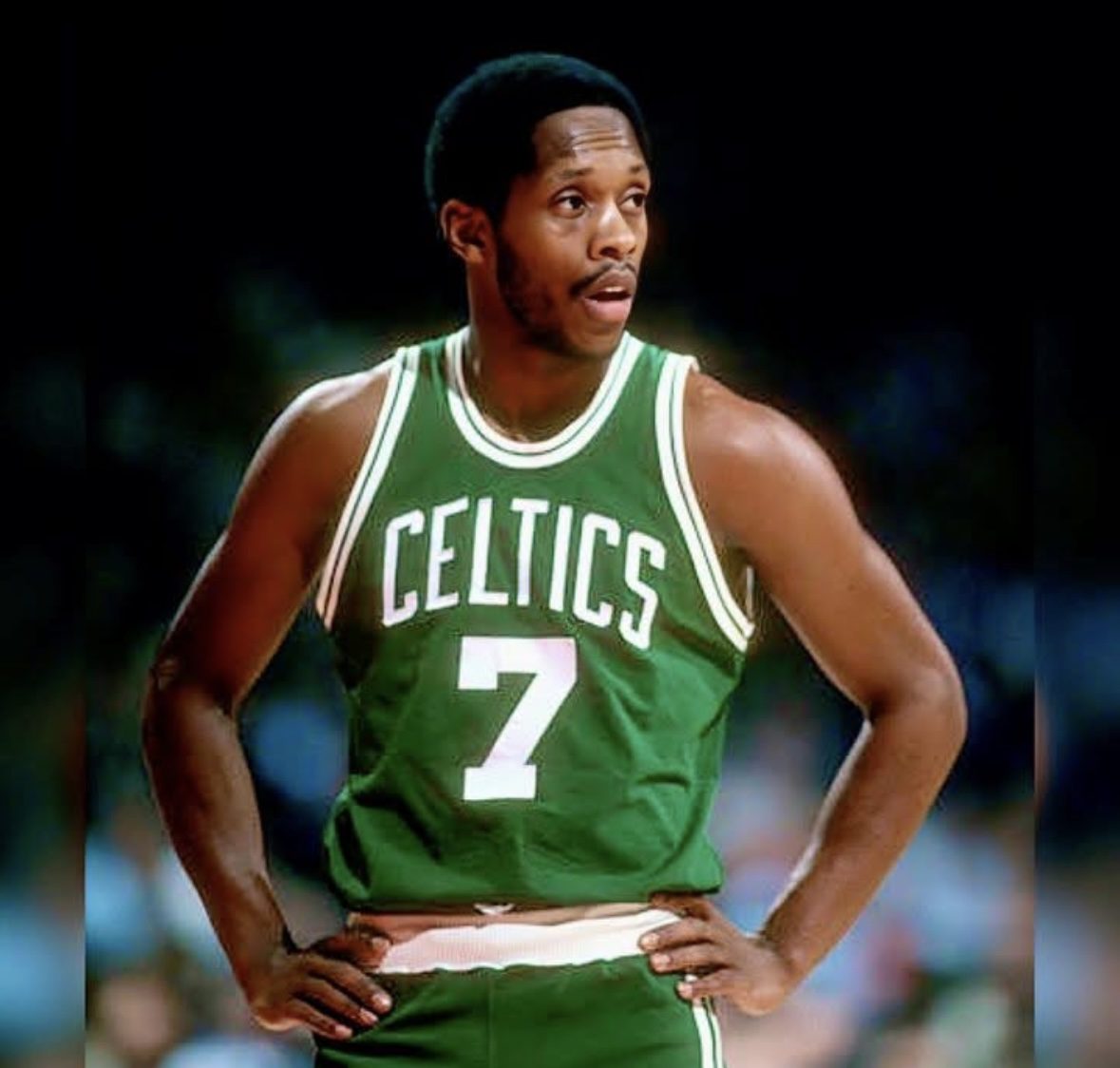
Returning to the South Bronx for the summer, Archibald received support from the neighborhood’s youth, who inspired him not to give up and to return to the game. In the 1979–1980 season, he came back to Boston in a new role: the team no longer needed him to score a lot of points, as they had other stars. Archibald became an effective playmaker, running the team’s offense. Although his scoring average was only 14.1 points, he recorded 671 assists, his highest total in many years. He made it to the All-Star Game again, and the Celtics had one of the best records in their history, 61-21.
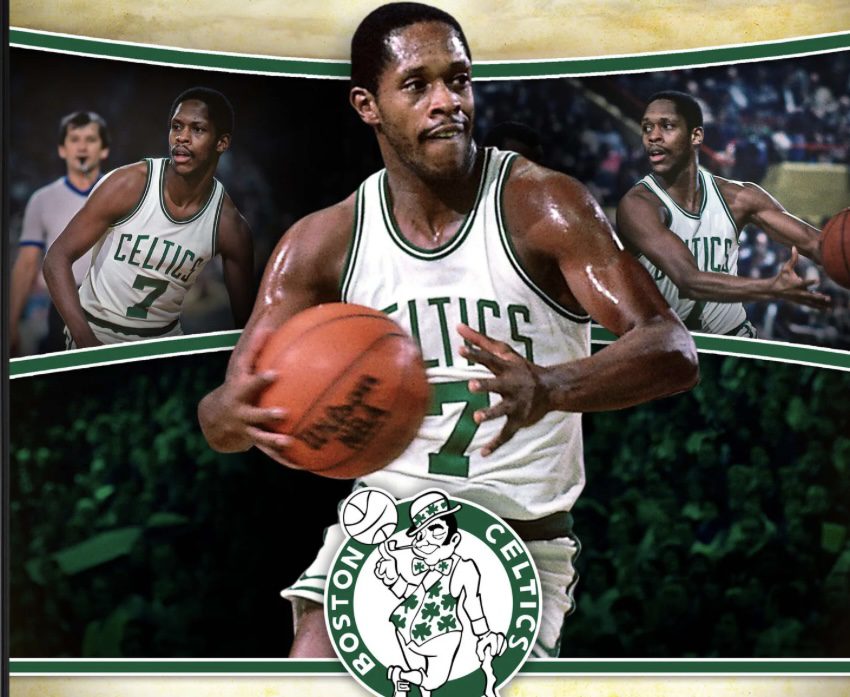
The 1980–1981 season was Archibald’s breakout year. He played over 35 minutes per game, won the All-Star Game MVP award, and finished fifth in the league in assists. The most important achievement was that after 11 years in the NBA, Archibald finally became a champion when the Celtics defeated the Houston Rockets in the NBA Finals.
In the 1981–1982 season, Archibald continued to play well as the team posted a 63-19 record but lost to Philadelphia in the Eastern Conference Finals.
Read the article about the best football game in the Bronx by following this link.
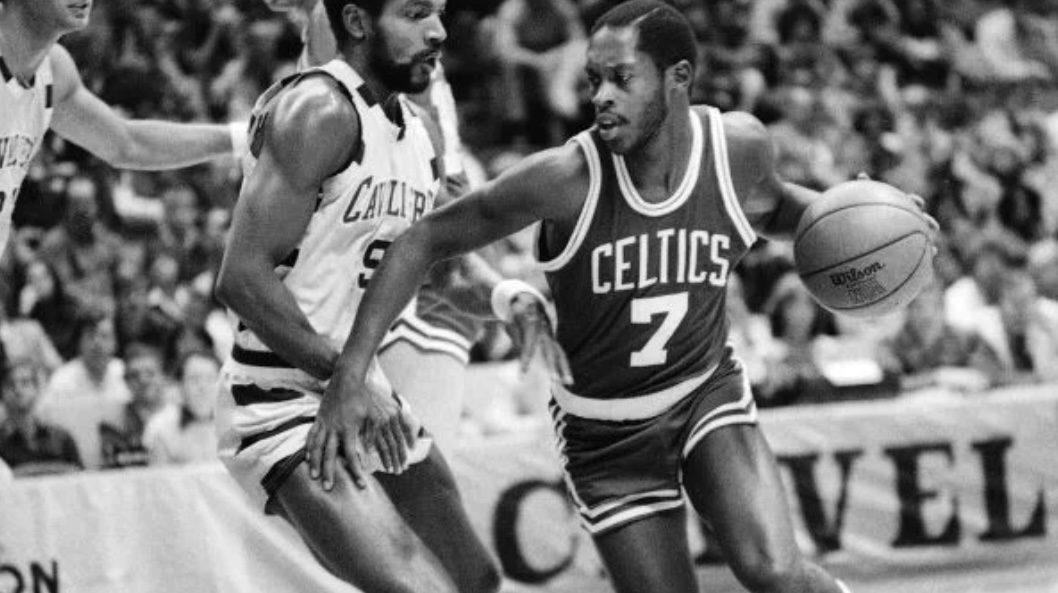
The following year, the 34-year-old Archibald’s stats began to decline. Archibald signed as a free agent for the 1983–1984 season. That year, he retired, having played in only 46 games.
In summary of Archibald’s 14-year NBA career, his enormous contributions include 16,481 points, 6,476 assists, and 6 NBA All-Star Game appearances. In 1991, he was inducted into the Naismith Memorial Basketball Hall of Fame.
It’s Never Too Late to Learn
Archibald began his NBA career in 1970 without a degree, after one year at Western Arizona College and three years at the University of Texas at El Paso. However, he returned to campus for three consecutive summers to earn his bachelor’s degree before retiring in 1984. After that, he taught in New York City schools and attended evening classes at Fordham University, where he earned a master’s degree in 1990 and a professional diploma in supervision and administration in 1994.
“Everyone wants to talk about Kobe Bryant, Kevin Garnett, and LeBron James (the guys who came straight from high school), but they ignore the hundreds of kids who come into the League early, play for two, three, five, seven years, and then have no idea what to do with their lives,” says Archibald.
Former NBA player Kenny Anderson noted that Archibald inspired him to go back to school and graduate, emphasizing how important it is to get an education, even if many NBA players don’t want to. After all, an athlete’s prime years pass quickly, so you have to be ready for life off the basketball court.
Read about another prominent athlete from the Bronx by following this link.