

All of us were born in a big or small city, in a hospital or at home, but our mothers were always assisted in childbirth by a person with experience. Often it was a midwife. It was she who gave advice, was the first to hold us in her arms and look into our eyes. Midwives have been doing this for a long time. This was the case in the Bronx before and is the case now. i-bronx.com will tell you more about the work of midwives in one of the largest boroughs in New York.
History of the city’s settlement and midwifery
According to nytimes, New York was first mentioned in written documents in 1624. A significant increase in its population occurred in the second half of the seventeenth century and in the middle and second half of the nineteenth century. In the seventeenth century, mainly the British emigrated to the new colony. In the nineteenth century, millions of Irish, as well as Germans, Jews and Italians came here.
Everyone came for a better life. But in the early years of immigration, doctors, obstetricians, preachers and surgeons were given priority on ships. There was a significant need for them, even though there were some specialized educational institutions in the United States. It was common for each immigrant group to have its own midwife to provide childbirth services in the New World.
Features of black midwives’ activities
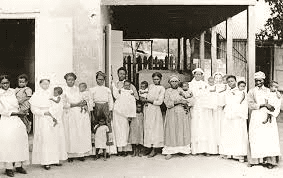
During the colonial era, it was a normal practice for a woman to be assisted by relatives and friends during childbirth. It was called social childbirth. Wealthy white women frequently hired midwives. In the American South, black women assisted not only slaves but also plantation owners in childbirth. Such women were often older and were universally respected in society.
In addition to midwifery, they could also serve as healers. Oftentimes, midwives-healers played an active role in abolitionist activities. This indicates that the black midwife had long been a vehicle for social justice.
The nineteenth century saw the emergence of the specialty of midwifery. It was immediately captured and consolidated by white men. They began to push women midwives out of practice. Men said that childbirth was potentially dangerous and required technological intervention. Their rhetoric was steeped in sexism, racism and classism. They believed that women’s intelligence was inferior. Women midwives were portrayed as dirty, uneducated and a symbol of the old ways of their countries. This went on until almost the 60s of the twentieth century. Let’s look at this path.
Obstetric care development in the early twentieth century
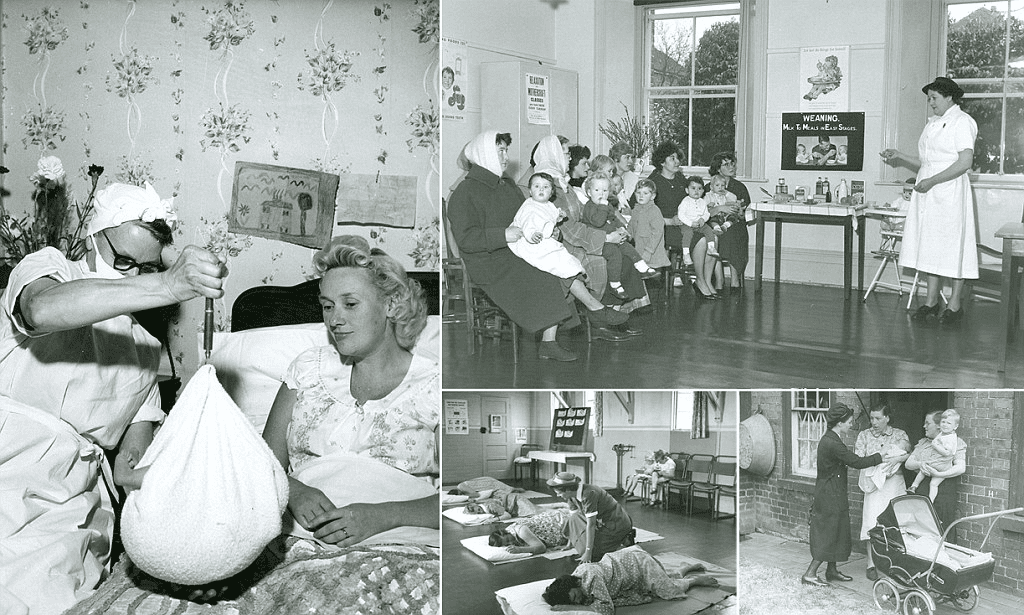
As the city grew rapidly, it began to introduce rules for sanitation, hygiene, food and water supply, etc., as well as various registration requirements for health care providers. There was also a city sanitary code that required midwives to register to officially perform their duties. In 1911, the first school of midwifery was founded at Bellevue Hospital, where students could gain experience from the hospital’s doctors.
In 1932, the Maternity Center Association (MCA) introduced the concept of midwifery education in NYC. The Lobenstein Clinic in Manhattan played an important role in midwifery education. At first, MCA members worked during home births. In 1958, they were allowed to practice in hospitals. In 1963, midwives were offered paid positions at Cumberland and Harlem hospitals. The sanitary code of the City of New York was amended to allow MCA graduates to practice midwifery in NYC.
In 1992, the state legislature passed the Midwifery Practice Act. A board of midwives was created to develop rules for midwives. Then, the New York State Education Department began issuing licenses to practice as a licensed midwife. After a while, more than 1,500 people received them.
Development of midwifery in the Bronx
The first steps towards the development of midwifery practice in the Bronx were made in the 70s thanks to Montefiore Medical Center. The city pays it $45 million a year to oversee medical care in the central Bronx. This also includes control of the obstetrics department. However, midwives are still responsible for every woman and child.
More than 3,000 babies are born in Bronx hospitals each year. Because it’s obstetricians who decide whether a doctor’s help is needed or not, the Bronx has the lowest C-section rate in the city at 12.9%. The average value in the city is 23.1%, and in the country, 22.3%. But babies born in the Bronx have other risks.
The rate of meconium aspiration (which is when stool enters the baby’s respiratory system) is 13.5 per 1,000 in the hospital, compared to 7.57 citywide. A series of tests were also conducted that found the Bronx was 2.9 times more likely to have complications during childbirth than other public hospitals.
Other tragic cases also happen here. In 1993, a jury awarded Venice Washington $72.6 million for causing brain damage to her child during a midwife-supervised birth in 1983. It was one of the most expensive medical malpractice cases in the recent history of the city, and the Bronx in particular. The next court reduced this amount to $6.5 million, but the case still gained publicity.
The case of Mrs. Love Njoku of the Bronx
The requirements for the work of midwives must be high and they must be true professionals. Otherwise, events like the one that happened to Mrs. Love Njoku, who went to see her midwife in the North Bronx at Hostos Community College, can happen. The fact is that the woman suspected that something was wrong with her child, but the midwife reassured her.
She was 7 months pregnant. Two months later, the baby was stillborn. Her heart stopped the day before the birth, on January 17, 1993. It was the first time the midwife had examined her. The reason for this tragedy was the midwife’s inexperience and the poverty of Mrs. Love Njoku, who was forced to receive medical care in a public hospital.
After the death, an investigation was launched. It was discovered that Mrs. Love Njoku had high blood sugar (diabetes). This disease caused her child’s death. If she or the hospital had taken the $6.85 test and noticed that the sugar was too high, they would have realized there was a problem.
After a while, Mrs. Love Njoku gave birth to a healthy baby. Her sugar levels were high again, but doctors controlled them and everything went well.
Public and private hospitals
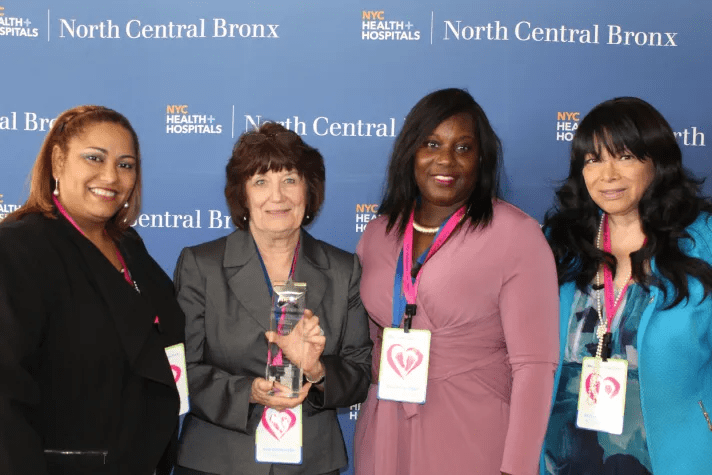
In private hospitals, everything works differently. There are a lot of tests and a doctor who is ready to examine and then deliver the baby. At North Central Bronx, all pregnancies are managed by midwives and nurses who undergo an additional year of training and pass a national exam. Tests are done at the discretion of the hospital. The delivery is not done by the attending physician but by the one on duty that day.
The law states that midwives should not work with high-risk patients. But Charlotte Elsberry, the former chief midwife at North Central Bronx, believes that the law can be interpreted in different ways. Midwives only do their job when pregnancies are normal. If there are complications, then a doctor is involved. The latter is responsible for the outcome. But the midwives decide whether to transfer the right to the doctor in a particular case or not.
Thus, the history and present of midwifery practice in the Bronx raises many questions. Have you ever encountered poor quality midwifery? Tell us about it in the comments.