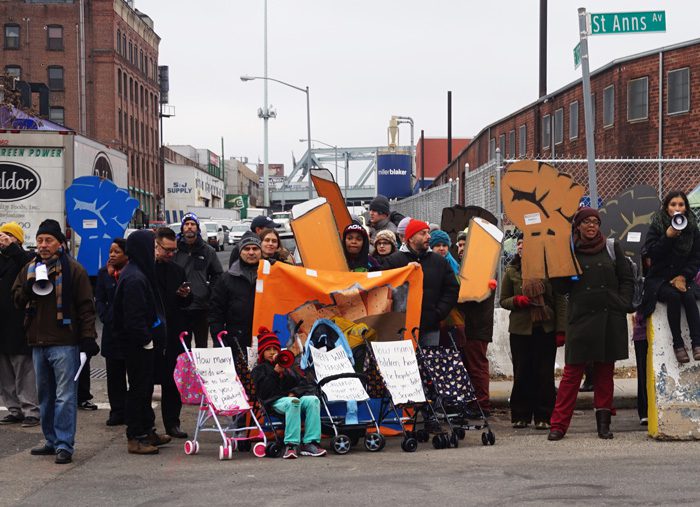

In the nineteenth century, the Bronx (then mostly called Westchester) was a paradise against the backdrop of urbanized and densely populated NYC for several hundred years. After the subway was built and this area was incorporated into the city, hundreds of new houses and businesses appeared. In the second half of the twentieth century, highways, railways, bridges and power plants quickly sprang up here.
This speed has led to a decrease in the number of green areas and a deterioration in air quality. All of this had an increasingly negative impact on the borough’s ecological state. Therefore, these problems continued to cause public concern, as waste recycling companies continued to operate and pollute the Bronx environment.
Certain actions were taken only after the outbreak of an asthma epidemic that swept this part of the city and made it the first in the United States in terms of morbidity. Read more about asthma and the Bronx on i-bronx.com.
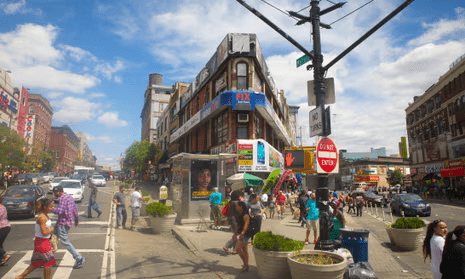
What affects the health of Bronx residents
According to nyassembly, the South Bronx is the poorest constituency in the country. This is why it has the worst health indicators. Historically, it is home to African American and Latino populations: 43% and 54% of all residents of the borough.
Some of these people have various diseases, including obesity, cardiovascular disease, diabetes, mental illness, cancer, metabolic diseases and low birth weight. The list of diseases does not end there. Bronx residents cannot compete with wealthy Americans from other boroughs who have an average income.
A logical question arises: why is this? Researchers say that the Bronx’s polluted air is harmful to the health of its residents. It contains a lot of polycyclic aromatic hydrocarbons (PAHs), ozone, carbon monoxide, sulfur dioxide, nitrogen dioxide and fine particulate matter. All of this affects fetal growth, neurobehavioral development, head circumference, child IQ, childhood obesity and asthma, which is discussed below.
The polluted air is caused by hazardous waste dumps, waste recycling facilities, insufficient access to open green spaces, coal-fired power plants, heavy diesel truck traffic and the presence of highways that spread exhaust clouds around them.
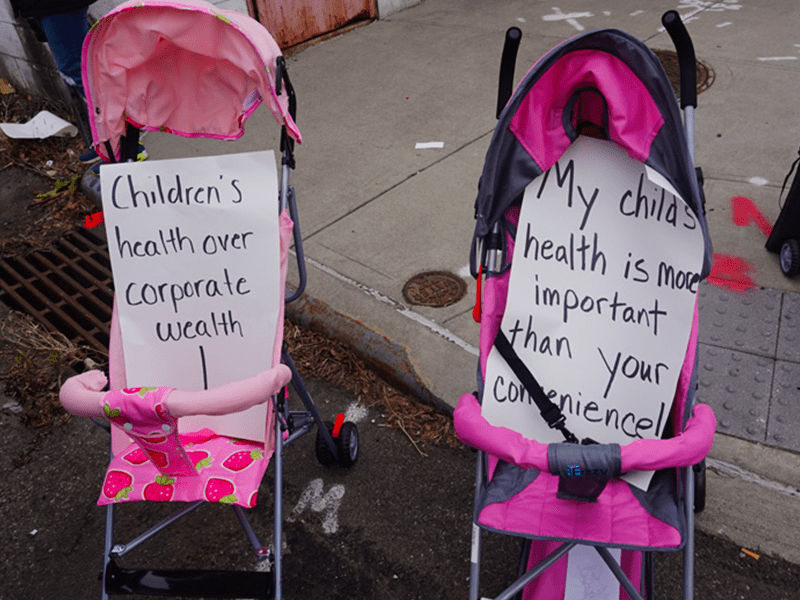
How power plants are harmful
The operation of power plants causes 30,100 premature deaths in the US every year. There are also 20,000 hospitalizations due to heart and respiratory diseases. 7,000 people visit hospitals due to asthma. Every year, there are 18,600 cases of chronic bronchitis and 600,000 asthma attacks. Workers lose more than 5 million working days due to power plants. In total, it is almost 26 million days of minor limited activity.
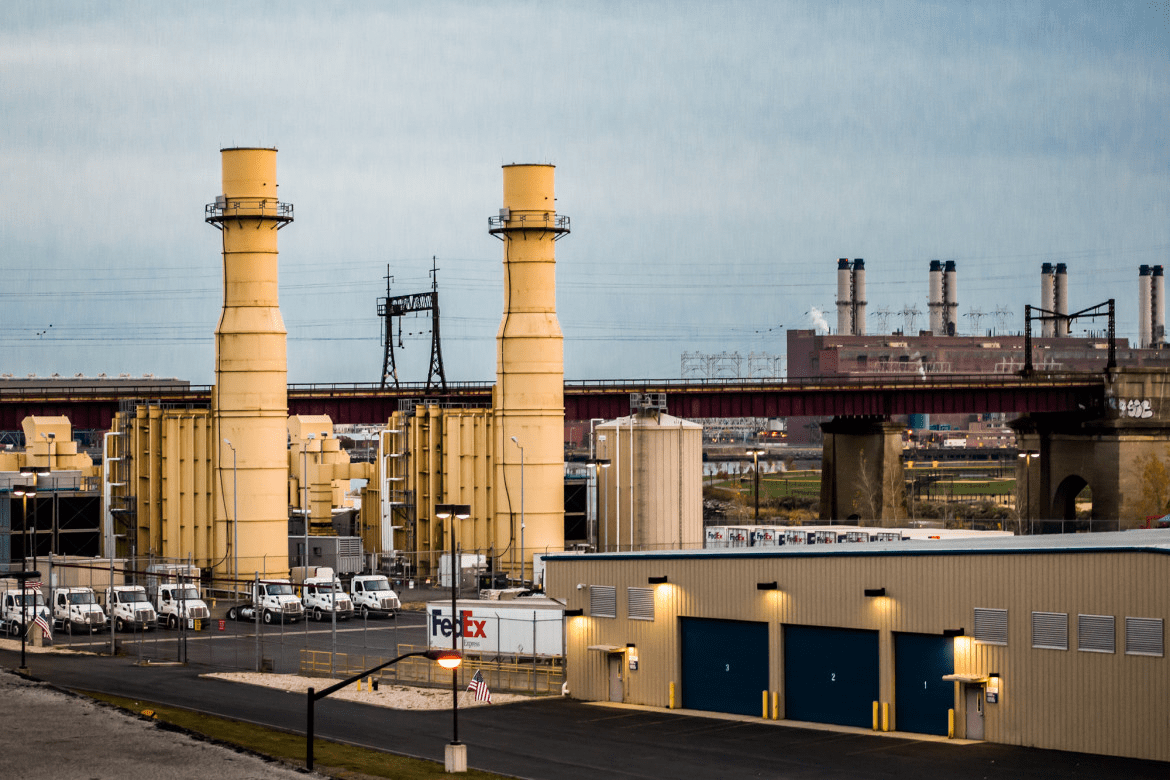
Recycling stations in the Bronx
Let’s also focus on waste recycling stations, as they create the lion’s share of pollution. In the South Bronx, there are 9 stations that recycle the waste of citizens. This is almost a third of the city’s total. There are also huge markets in this part of the city, such as the Hunts Point Cooperative Market.
Asthma in the US
The air polluted with various impurities has changed the lives of borough residents. There is a significant percentage of those who have asthma. What is this disease? Asthma is a chronic inflammatory disease of the airways of the lungs that is widespread worldwide. It is accompanied by coughing, difficulty breathing, shortness of breath and wheezing.
In general, asthma did not appear out of nowhere. It has been slowly progressing over the past 50 years. For example, the Centers for Disease Control reported that during the 1980s and 1990s alone, the prevalence of asthma increased by 50-75%. Among children under 4 years of age, it increased by a fantastic 160%. In Harlem, this percentage is twice as high among children and adults. Therefore, New York has the highest mortality rate from this disease.
How asthma has changed the lives of Bronx residents
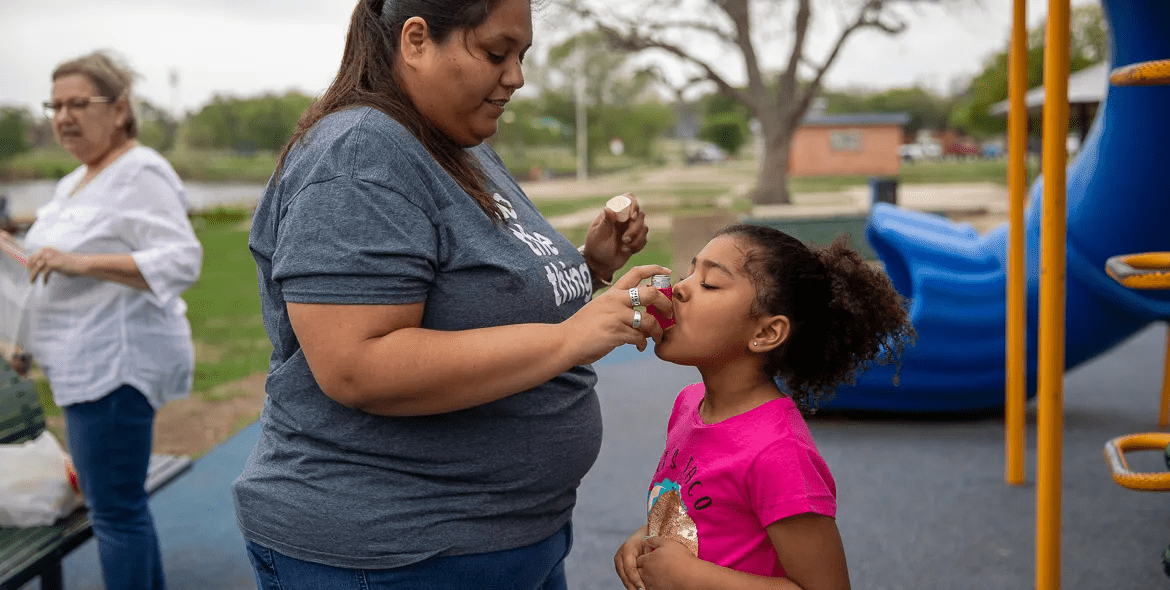
Because of the dirty air in the Bronx, there was an epidemic of asthma. A total of 43.5 people per 1 million fell ill. In other words: 2 out of 10 children have this disease. 17% of all children have asthma. This is a high rate. Asthmatic children miss a large number of school days due to illness (about 25% more lessons). It is much more than other children. In 2014, the American Lung Association gave the Bronx a conditional F grade for air quality.
This proves once again that its quality is the main cause of asthma among children and adults. The Bronx had a higher rate of hospitalization (approx. 2-2.5 times) and mortality compared to other boroughs. Although the entire city shows high rates of morbidity, in the Bronx and Harlem they are 21 times higher than in the wealthy boroughs.
The term “Asthma Alley” was even coined here. It means that there is a list of streets where the number of patients is higher than in other parts of the Bronx. The city’s legislature also passed a law requiring the New York State Department of Health to pay attention to this problem and solve it.
The poverty of Bronx residents means that they are forced to use the services of emergency rooms instead of going to good doctors in primary care facilities. As a result, these patients receive the wrong medications, poor education for themselves and their children and use outdated equipment.
What should help in the fight against asthma in the Bronx
The following was done to solve the problem:
1. In 1999, the medical waste incinerator, Browning-Ferris Industries/the Bronx-Lebanon Hospital Center, which received medical waste from 12 hospitals in the city, was closed.
2. The New York Organic Fertilizer Company (NYOFCO) sludge fertilizer plant (Hunts Point) was closed. This enterprise processed almost 50% of NYC’s wastewater.
3. A number of politicians have funded the opening of a mobile asthma unit to screen and educate children and their parents in the Bronx. St. Barnabas Hospital and the pharmaceutical giant Glaxo Wellcome joined the campaign. Doctors examined children. The company also provided free asthma treatment devices.
4. Work is underway to tighten standards for air pollution and pesticide use, increase medical research in this area and improve access to over-the-counter medicines.
5. Power plants were obliged to reduce four major air pollutants. In particular, since 2007, they are to reduce sulfur and nitrogen oxide emissions by 75%, limit carbon dioxide emissions and eliminate mercury in the environment.
6. The funding of the New York State Department of Environmental Conservation was also increased.
7. National cancer incidence maps were developed because this disease is no less threatening to Americans than asthma.
8. Teachers also began to be trained to respond to situations that may be related to asthma. Therefore, since 2004, teachers in private and public schools have been required to take a course to recognize and respond to asthma symptoms.