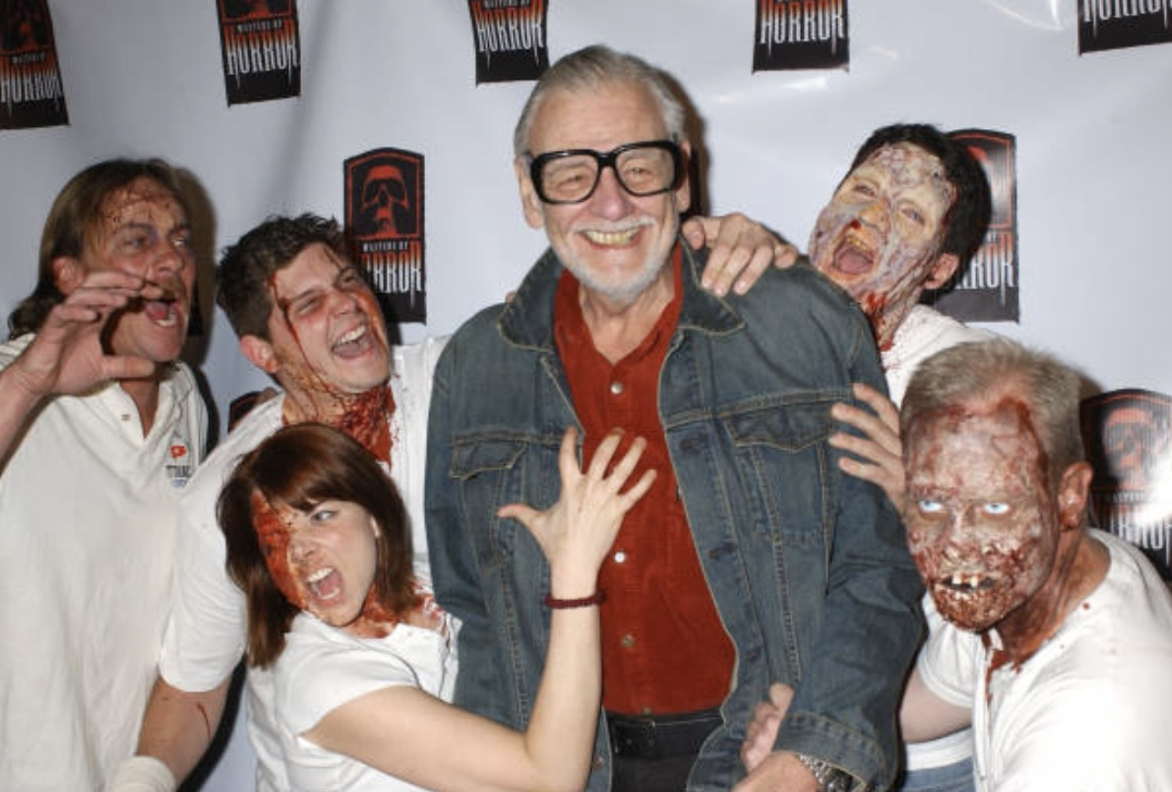

George Romero was a legendary American director, screenwriter, and editor often hailed as the “father of modern zombie horror.” His 1968 film “Night of the Living Dead” transformed the genre forever, turning zombie cinema into a tool for sharp social satire. In this article on i-bronx.com, we look back at Romero’s childhood in the Bronx, his first amateur films, the creation of the iconic “Night of the Living Dead,” and the social themes he skillfully hid behind the images of the living dead.
The Harsh Reality of Parkchester: Racial Segregation, Street Gangs, and Nuclear Paranoia
George Andrew Romero was born on February 4, 1940, in New York City. He came from a mixed background: his father, a commercial artist, was a Cuban immigrant, while his mother was of Lithuanian-American descent.
George spent his childhood in Parkchester, a housing complex in the Bronx. Although advertised as modern and ideal for family life, the neighborhood was governed by strict rules and underlying social friction.
The complex enforced strict racial segregation, systematically denying leases to non-white families, which kept the community almost exclusively white until 1968. The Romero family, possessing lighter skin despite their Cuban heritage, was able to move in. Still, they faced hostility. Local Italian gangs, including the Golden Guineas, harassed young George whenever they discovered he wasn’t Italian.
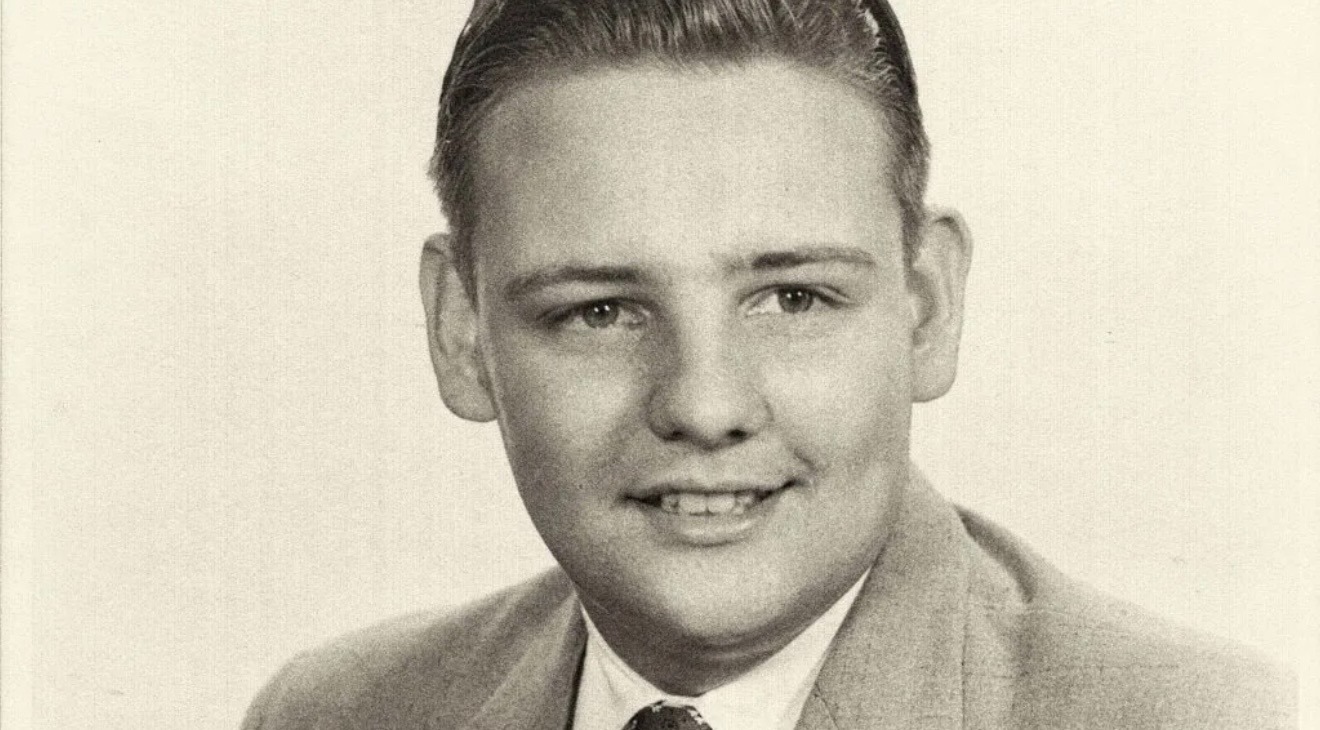
Beyond local clashes, the global paranoia of the Cold War weighed heavily on the young boy’s mind. Growing up in the late 1940s and 1950s, George was terrified by Catholic anti-communist propaganda and TV broadcasts showing cities destroyed by nuclear strikes. He often scanned the skies and listened to the roar of passing planes, convinced a bomb was about to drop on his neighborhood. These images of civil defense, gas masks, and the dread of global annihilation later infused the emotional core of his apocalyptic films.
From Mister Rogers’ Neighborhood to Image Ten: The Birth of Pittsburgh Independent Cinema
In school and at home, art became Romero’s escape from a harsh reality. Though his yearbook at St. Helena High School in Castle Hill listed dentistry as his career goal, George’s true passion was filmmaking.
Trips to the movie theater had a profound impact on him. In 1951, his uncle Monroe Udell took 11-year-old Romero to see The Tales of Hoffmann. Its mesmerizing costumes and experimental visual style so captivated the boy that he resolved to make movies himself. That same year, he saw The Thing From Another World—the first movie that truly terrified him.
At age 14, Romero borrowed an 8mm camera from his uncle to shoot his first short film, “The Man from the Meteor” (1954). During filming, he set a dummy on fire and threw it off a roof in Parkchester. Having failed to notify the police, the teenager was arrested, and his parents were summoned. Romero later recalled that while there were no severe consequences, the stunt caused quite a stir.
Following the incident, his parents sent him to Suffield Academy, a prep school in Connecticut. There, Romero founded the Ram Pictures film club and directed a documentary titled Earthbottom (1956), which won an award.
In 1957, he moved to Pittsburgh to enroll at Carnegie Tech (now Carnegie Mellon University), studying art, design, and drama before graduating in 1960. During summer breaks, he worked on Hollywood film sets, including a stint as a gaffer on Alfred Hitchcock’s iconic thriller North by Northwest.
Yet Hollywood held little appeal for Romero. Alongside Russ Streiner, John Russo, and other friends, he launched an independent production company in Pittsburgh called The Latent Image, producing commercials and industrial films. Among their early clients was Fred Rogers, host of Mister Rogers’ Neighborhood, for whom Romero shot short educational segments.
Over time, the team evolved into the Image Ten collective. Raising just $114,000, they set out in 1968 to create a movie that would change Romero’s career—and film history—forever.
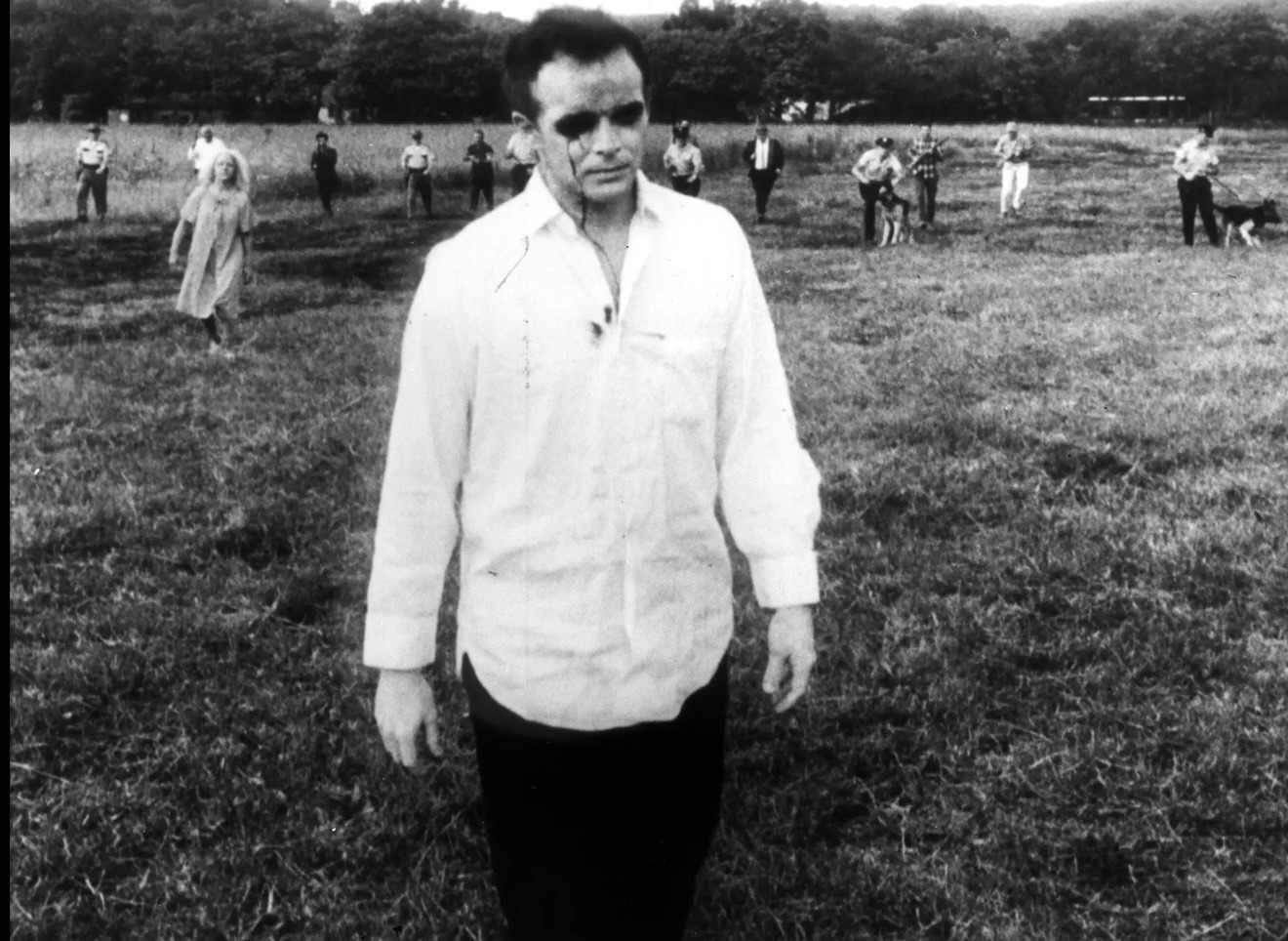
1968’s “Night of the Living Dead”: How a Low-Budget Horror Became a Social Phenomenon
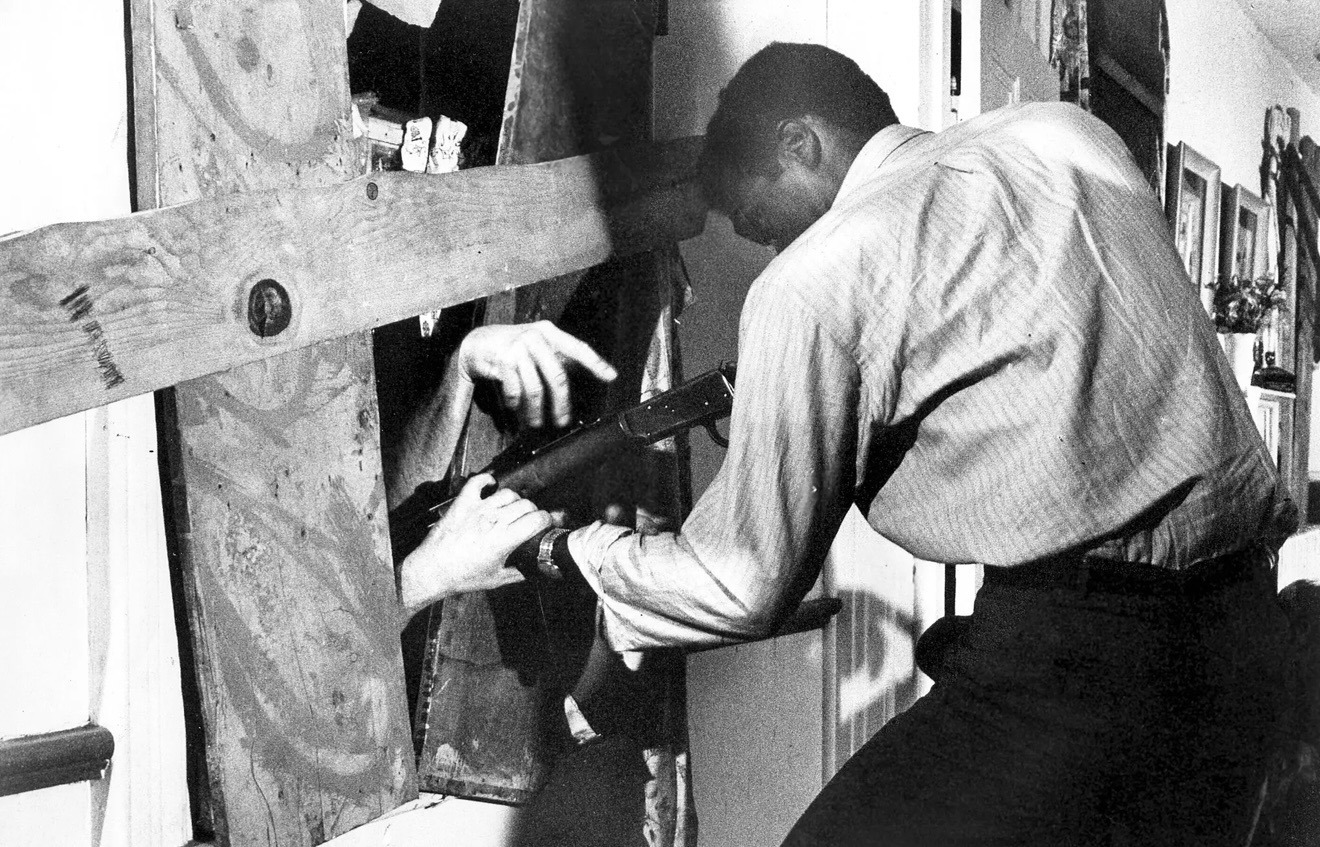
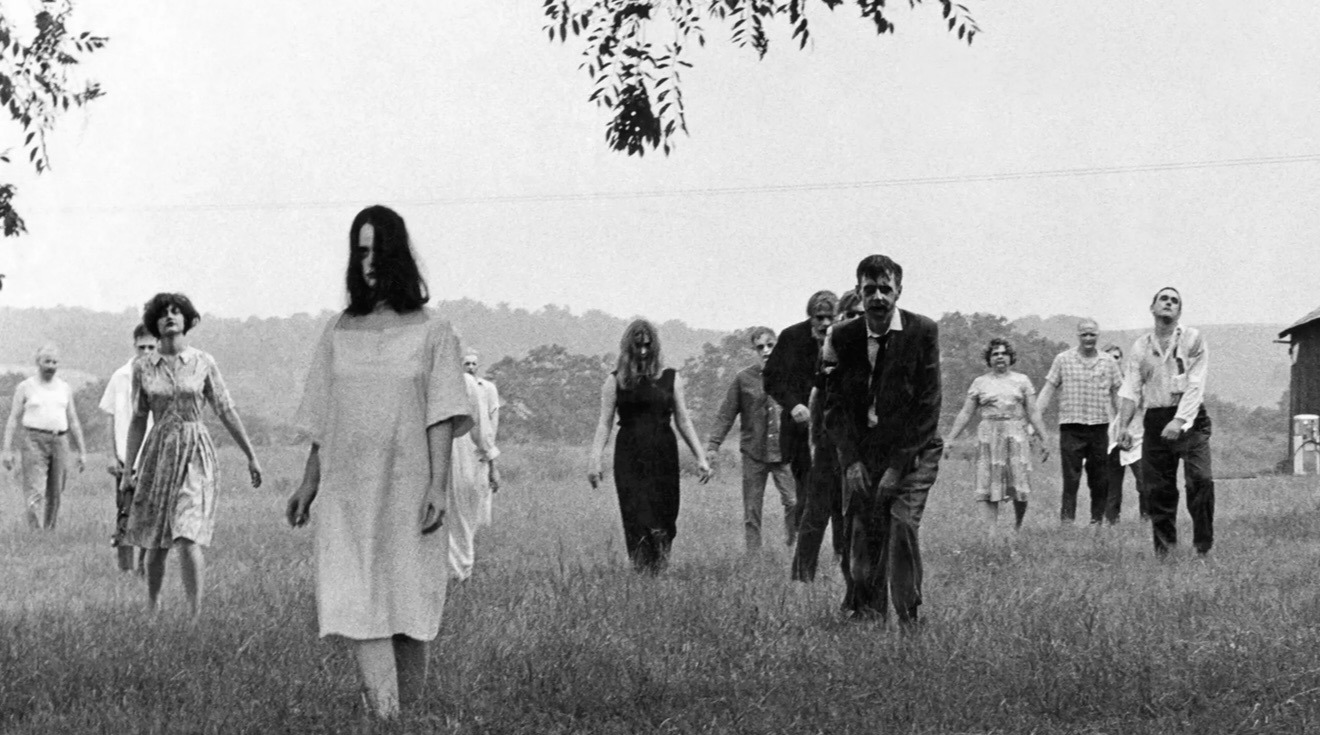
Shot on 35mm black-and-white film—primarily to save money—“Night of the Living Dead” became an absolute sensation. The plot centers on a group of strangers trapped in a farmhouse, defending themselves against hordes of reanimated corpses hungry for human flesh. Yet Romero’s most revolutionary decision was casting his lead actor.
The role of Ben, the brave, level-headed protagonist who takes charge of the group, went to Duane Jones, a Black actor. In 1968 America, this was a groundbreaking move. Romero maintained for years that race wasn’t a factor and that Jones simply gave the best audition.
However, set against the backdrop of the Civil Rights movement, the assassination of Martin Luther King Jr., and protests against the Vietnam War, the film resonated with deep political and social gravity.
- Racial subtext.
Ben is the most rational and compassionate character in the house, yet he constantly faces suspicion from the white survivors taking refuge alongside him (most notably the aggressive Harry Cooper).
- Social critique.
The film’s climax—where the Black protagonist, having survived a night of terror, is killed by a posse of white vigilantes who mistake him for a zombie (or choose to)—shocked audiences. The imagery evoked disturbing parallels to lynchings and police brutality.
- The collapse of the traditional family.
The movie shattered the idyllic image of the “American Dream” and the nuclear family, showing loved ones turning into monsters (in one chilling scene, a young girl kills her own mother).
The Evolution of the Zombie in Pop Culture: From Haitian Voodoo Magic to a Mirror of Society
Before George Romero, cinematic zombies were entirely different creatures. Derived from Haitian Voodoo folklore, they were living humans stripped of their free will by a sorcerer and forced into servitude. This archetype was epitomized in films like White Zombie (1932), where mysticism, sorcery, and themes of slavery dominated.
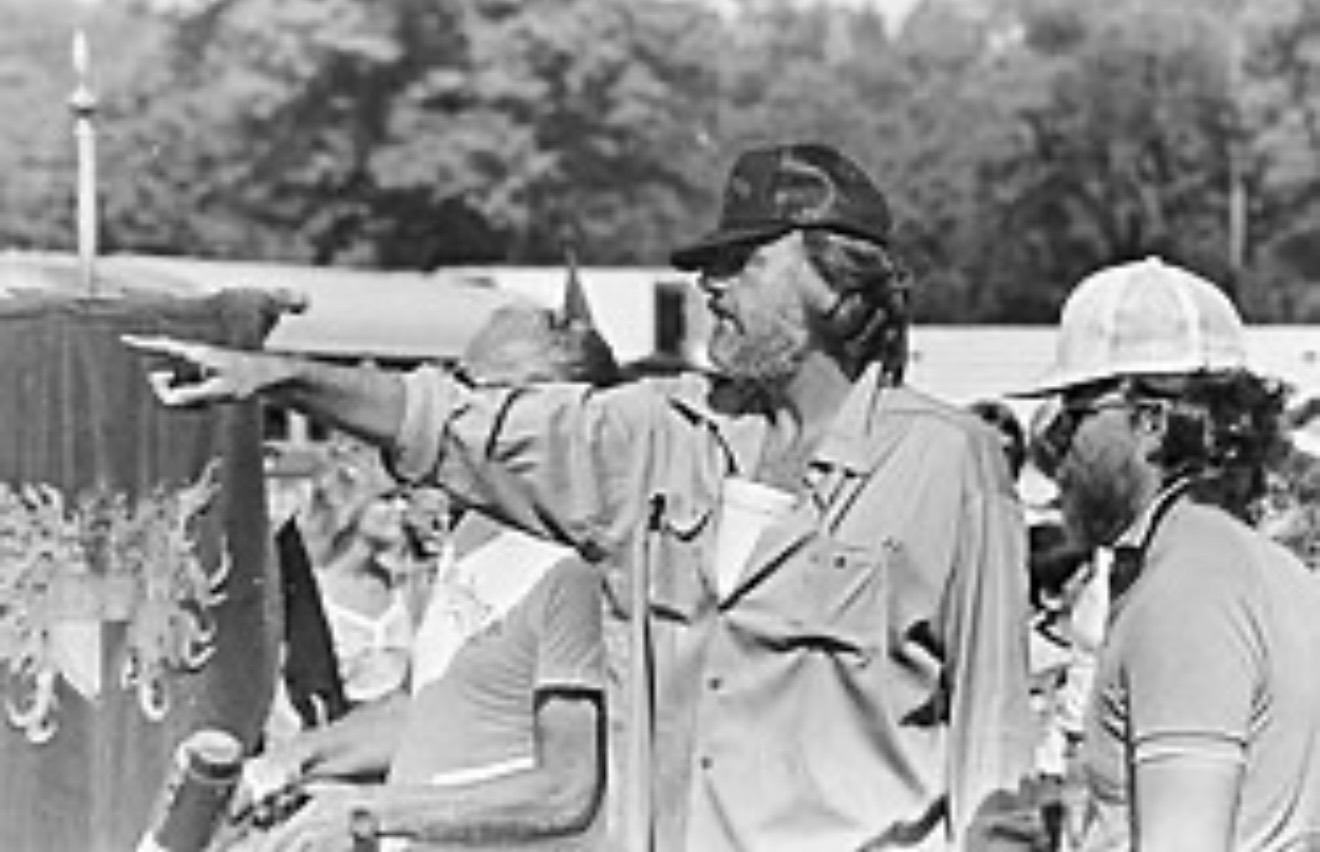
Romero completely inverted the model. In his movies, zombies became reanimated corpses brought back by mysterious causes—radiation, a virus, or something unknown. Unlike Voodoo zombies, they had no master and were driven solely by hunger. They preyed on any living human and could be killed only by destroying the brain.
Interestingly, Romero initially referred to his creatures as “ghouls” rather than zombies; the familiar moniker was later popularized by critics and audiences.
Yet Romero’s greatest revolution was not merely inventing a new monster—it was transforming the zombie into a mirror for humanity. This was most famously realized in “Dawn of the Dead” (1978).
The survivors seek refuge in a shopping mall stocked with everything they need. Yet the undead instinctively flock there, wandering mindlessly through the concourses. In life, spending time at the mall was a habit—and even in death, they repeat the muscle memory of consumerism.
This brilliant metaphor served as a sharp satire on consumer culture—on people who buy, hoard, and seek fulfillment in material goods. Romero’s zombies are frightening not just because they eat people, but because they are painfully easy to recognize as ourselves.
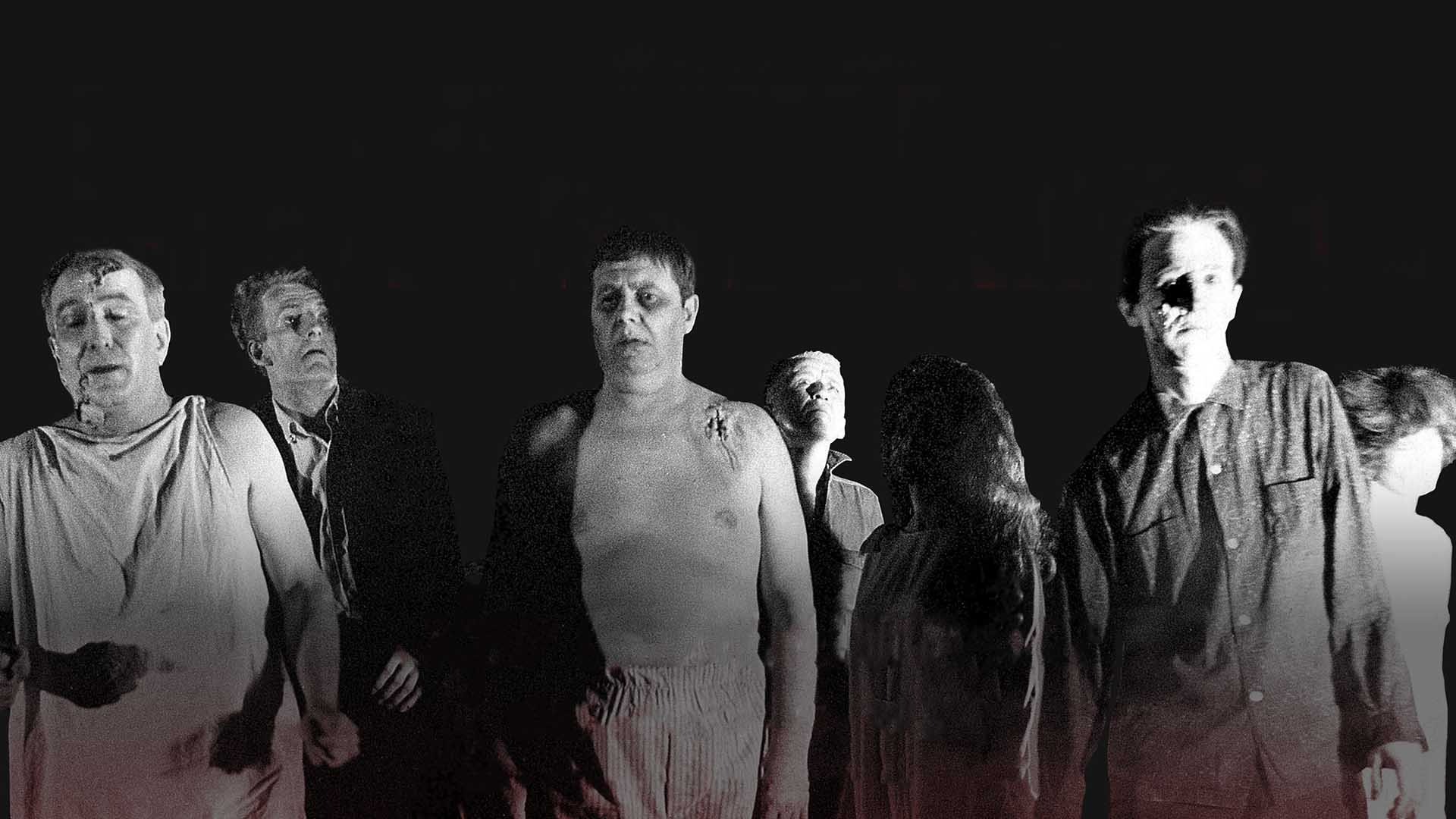
In “Day of the Dead” and “Land of the Dead,” Romero expanded these themes further. Through the lens of horror, he tackled militarism, economic disparity, class warfare, and the concentration of power. His zombies ceased to be mere monsters; they forced viewers to question where the struggle for survival ends and humanity’s destructive fight over resources, status, and control begins.
Homecoming: George Romero Way and Honoring the Director’s Legacy in the Bronx
George Romero passed away on July 16, 2017, in Toronto, Canada, at the age of 77 following a battle with lung cancer.
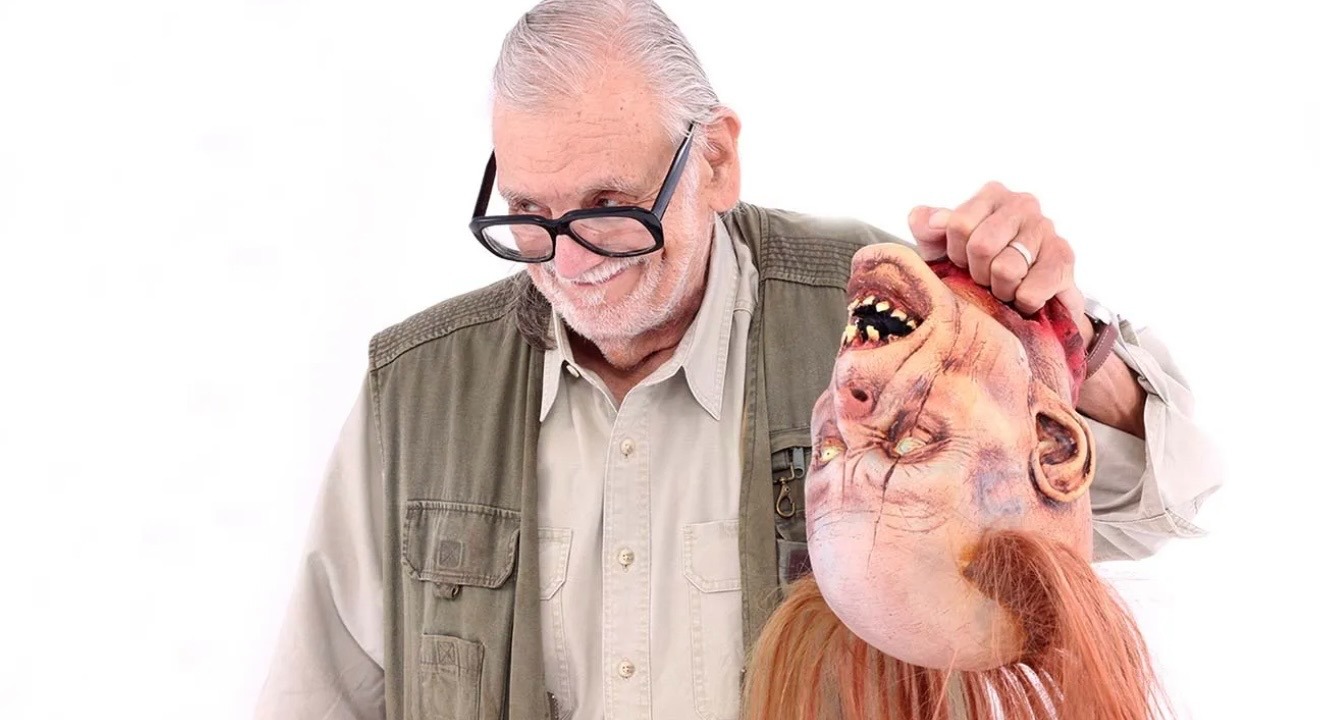
Even though the bulk of his career was rooted in Pittsburgh, the Bronx never forgot its legendary native son. On October 12, 2024, ahead of Halloween, an official street co-naming ceremony took place in honor of the director. The intersection of Metropolitan Avenue and Metropolitan Oval in Parkchester was named “George Romero Way.”
The initiative was spearheaded by City Council Member Amanda Farías, who noted in her remarks:
“George Romero’s legacy extends far beyond film; he influenced generations of directors and sparked vital conversations on social issues. We are deeply honored to recognize his roots right here in Parkchester.”
In addition, the Bronx County Historical Society, in partnership with LATIN HORROR, hosted a major retrospective exhibition titled “George Romero: Stay Scared!” at the Bronx Museum.
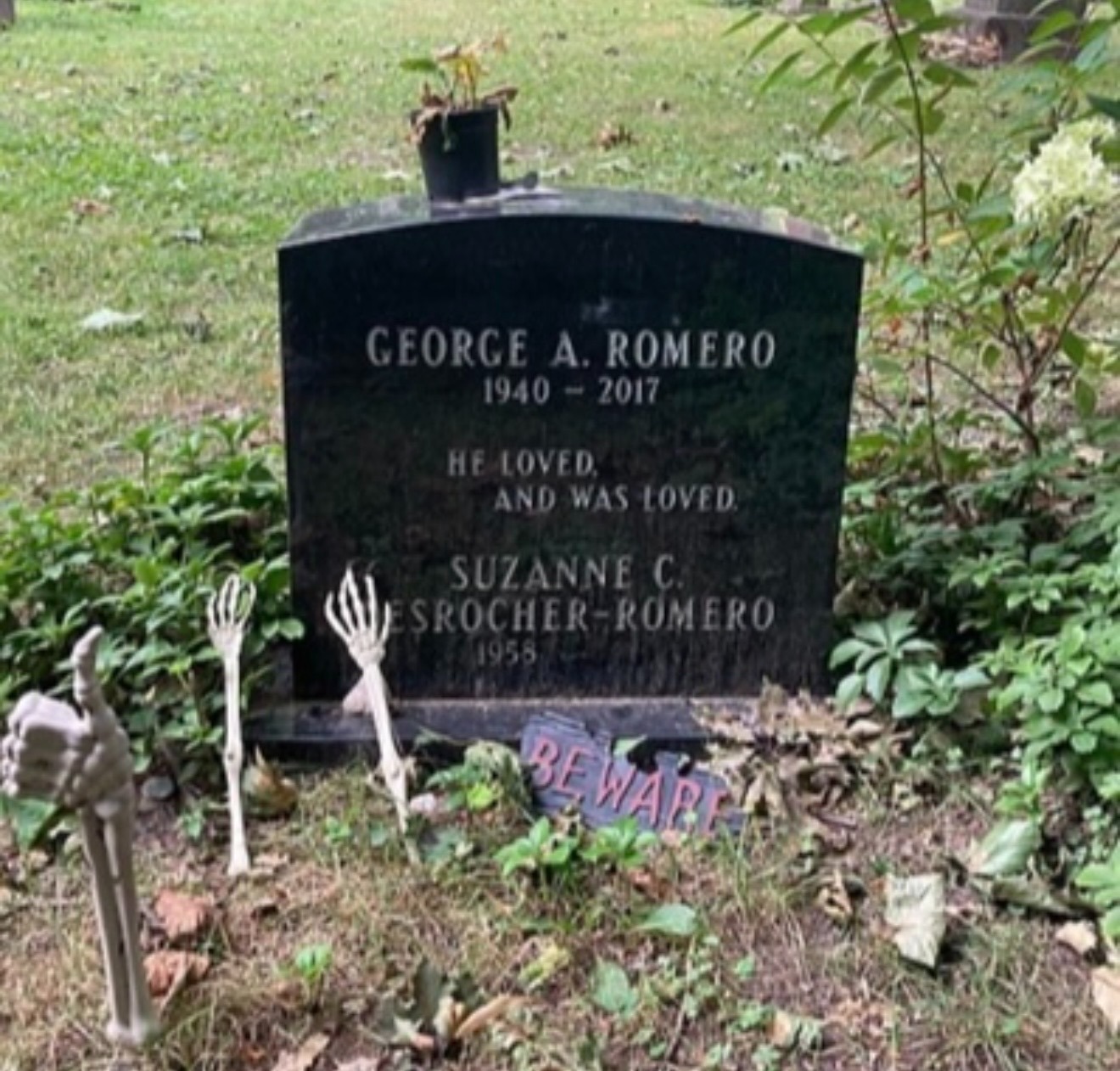
George Romero was much more than just a horror director. He was an idealist, a social critic, and an artist who harnessed cinema’s darkest genre to force audiences to hold a mirror up to themselves. His upbringing in the Bronx—a neighborhood rife with contrasts, racial tension, and Cold War anxieties—forged his vision and provided the raw material from which he built the modern zombie myth. Today, in a pop culture saturated with the undead, it is worth remembering that they all trace their lineage back to a kid from Parkchester who once dropped a burning dummy off a roof and changed cinema forever.