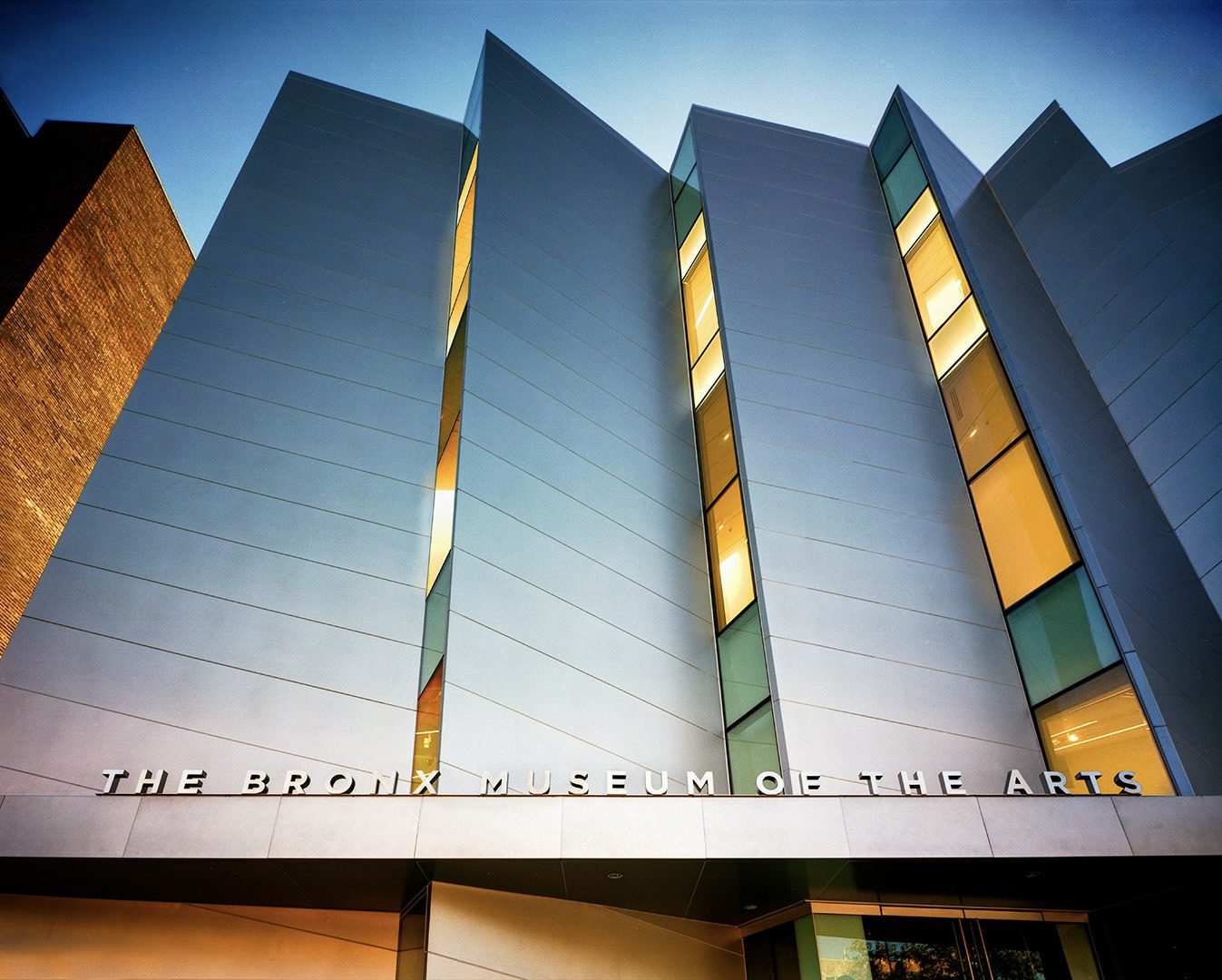

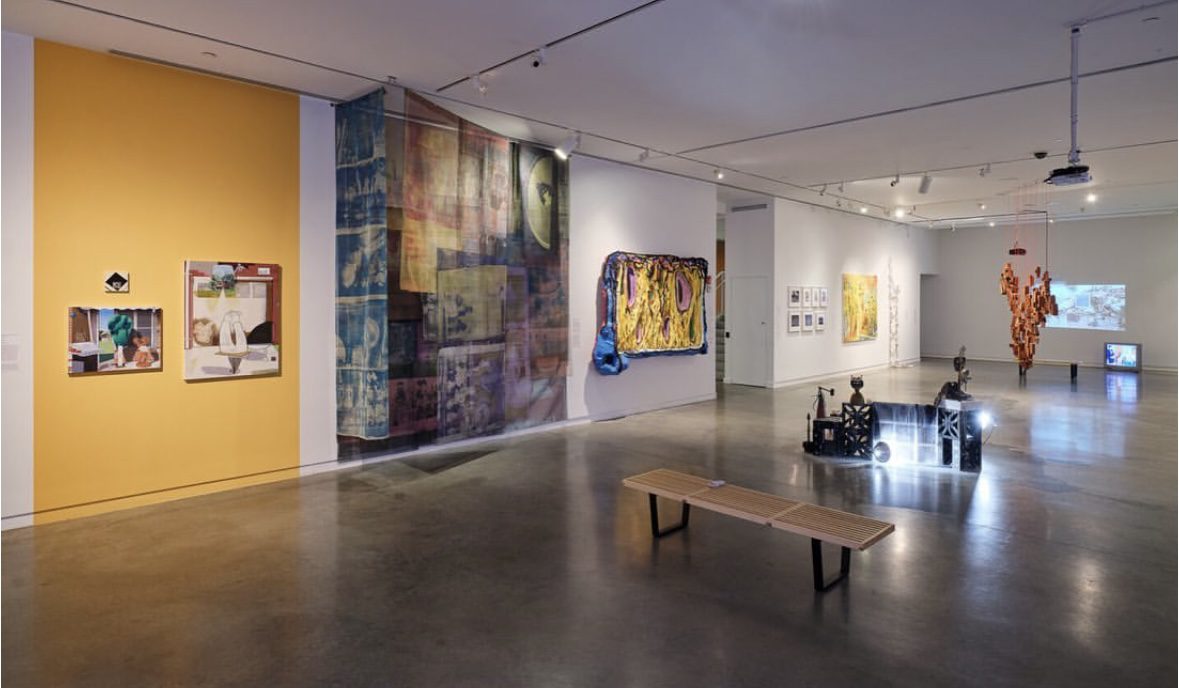
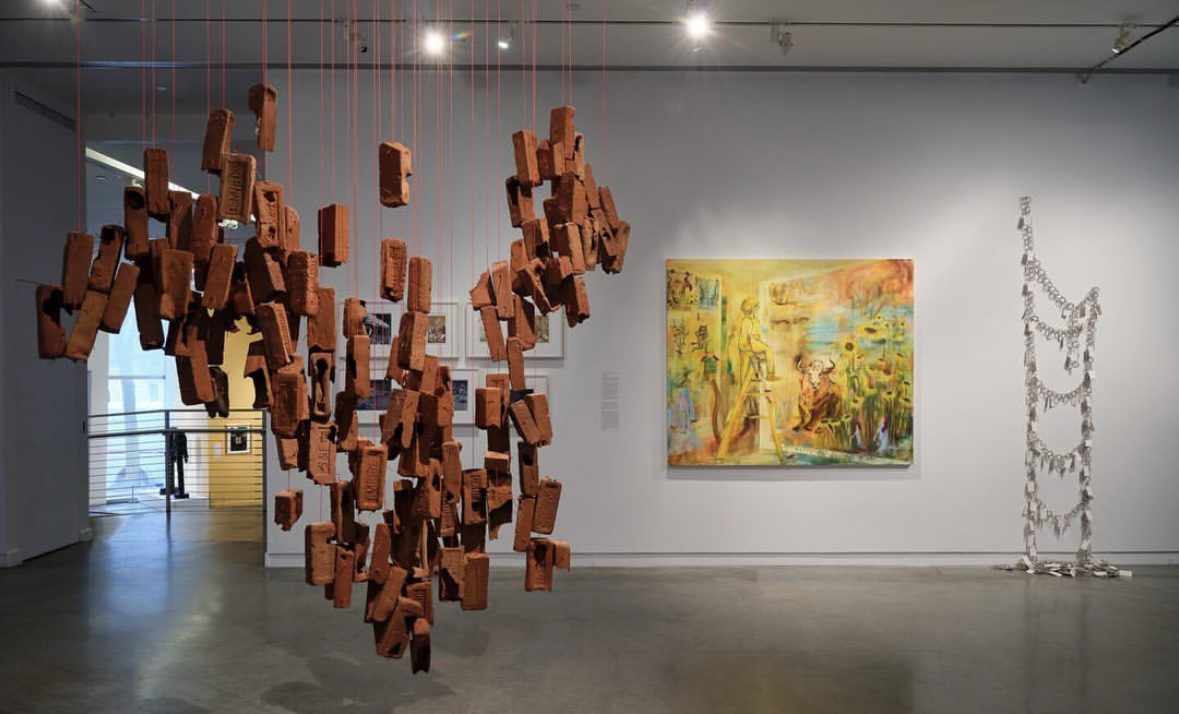
The Bronx Museum of Art, with a permanent collection of over 800 paintings, sculptures, and photographs, is a popular destination for tourists and borough residents alike. In this article on i-bronx, we’ll delve into its history, reconstructions, and the interesting projects and programs that help promote culture in the Bronx.
The Museum’s Founding
The Bronx Museum of Art was founded with the goal of fostering interest in art among local residents. It first opened its doors on May 11, 1971, thanks to a collaboration between the Bronx Council on the Arts and the Metropolitan Museum of Art. The inaugural exhibition featured only 28 paintings borrowed from the Met’s collection.
The new museum was housed in a rotunda on the ground floor of the Bronx County Courthouse, which was renovated with $77,000 in municipal funds. Year after year, the number of exhibitions grew. Additional galleries began to appear in various parts of the Bronx, including Co-op City, Bedford Park, and Allerton. Exhibitions were organized not only in galleries but also spontaneously in various locations—universities, schools, hospitals, and more. During its first 12 years, the museum organized over 350 exhibitions. Interest in art among Bronx residents grew significantly, despite difficult times marked by an economic and social crisis, major fires, and rising crime.
Relocation to a New Building
In 1982, a decision was made to expand the Museum of Art. The government allocated funds to purchase the vacant Young Israel synagogue on 165th Street, which had been designed by Ukrainian architect Simon Zelnik in the early 1960s.
The updated museum opened in May 1983. The former synagogue’s renovation cost $2 million. The building was enhanced with exterior elements of concrete, steel, and glass, giving it a more futuristic look. However, in 1988, a major expansion of the main building took place, led by the architectural firm Castro-Blanco, Piscioneri & Feder. They updated the facade with black granite and metal and added large “ribbon windows,” as well as a three-story glass atrium that served as the museum’s foyer. The 1988 design received criticism for its “clumsiness” and “dreary” appearance, as well as its limited exhibition space. The new museum was compared to a suburban shopping mall, and many were outraged that almost $4 million had been spent on “this monstrosity.”
A New Art Space
The Museum of Art existed for almost 16 years in the building of the former synagogue, which had been poorly reconstructed. In February 2004, another expansion project began. The area was to be doubled to 3100 m² (33,368 sq ft). The project’s cost reached $19 million. The main contractor was the Miami-based firm Arquitectonica.
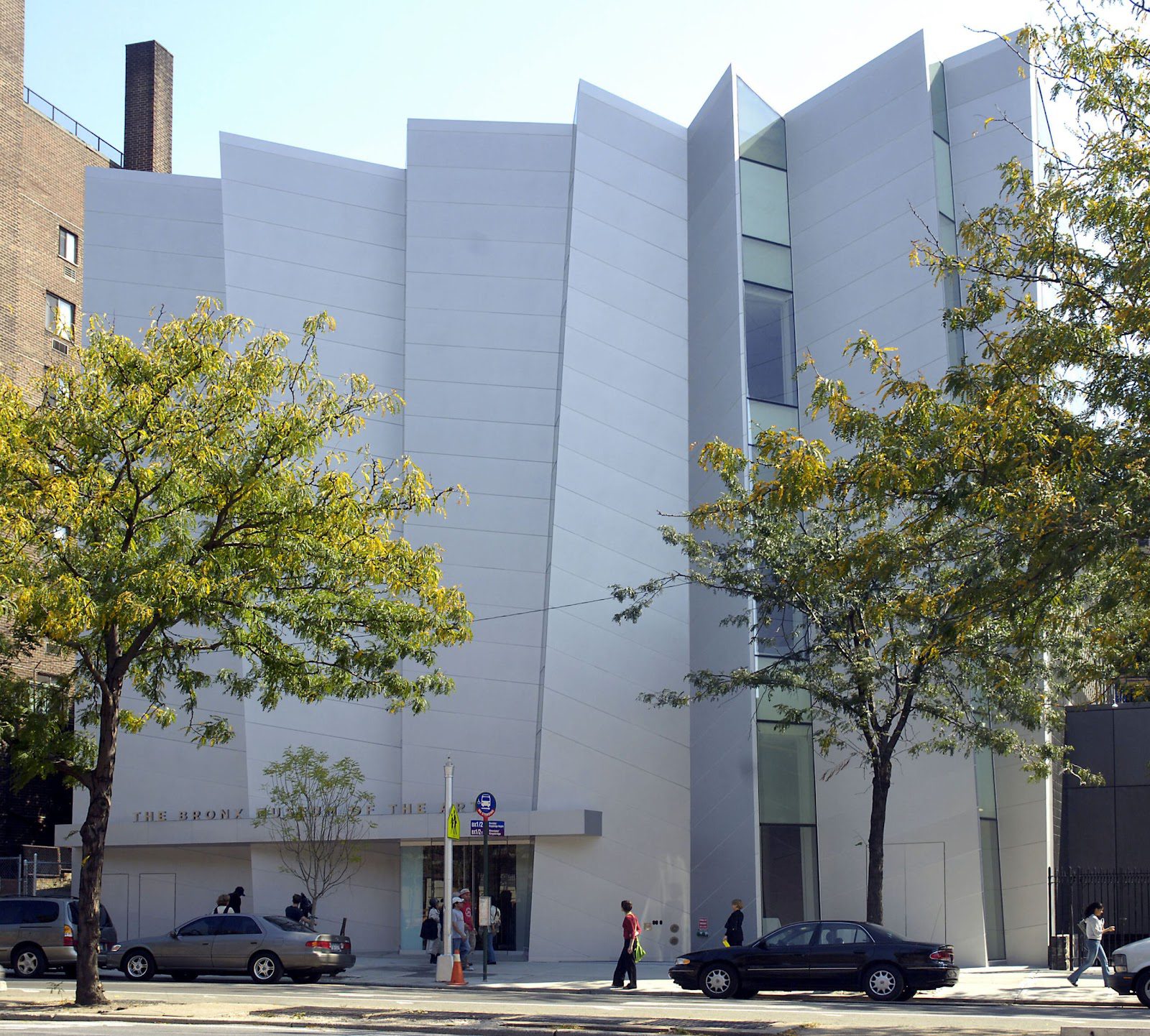
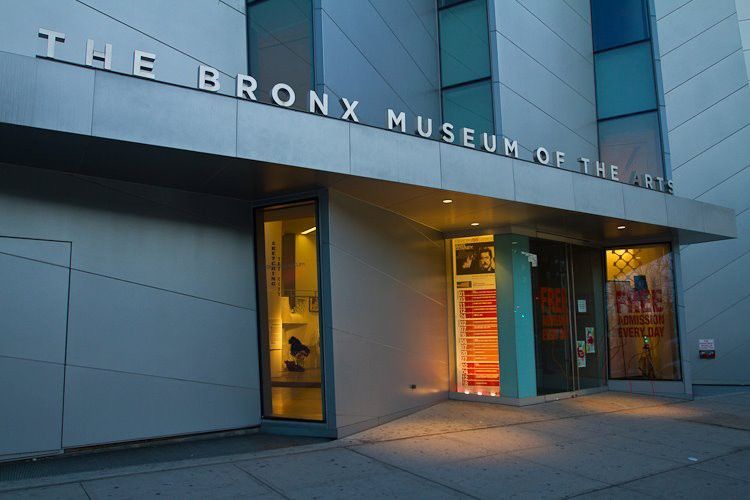
The large three-story building, with a two-story entrance lobby, a new gallery, and improved educational spaces, impressed with its scale and design. The building’s exterior was done in a modern Art Deco style. The main design highlight was the original facade, composed of seven irregular vertical aluminum elements joined by glass. It resembles an accordion or a fan. The architects named this shape “architectural origami.” The side walls are decorated with black and white concrete blocks that form interesting geometric patterns. A large sculpture garden is located on the second floor at the back of the building. As for the interior of the renovated museum, it was kept quite simple and cost-effective: wire railings, cylindrical columns, and a concrete floor.
It seemed the museum had finally achieved its desired size and shape. But in 2022, another plan for reconstruction and expansion, developed by the architectural firm Marvel Architects, was announced. Work began in July 2024, with a preliminary cost of $33 million. The project involves expanding the facade to the south and constructing a residential building. It is hoped that the revenue from this residential complex will help the museum become free from unstable municipal funding.
Museum Leadership
The museum’s founding is credited to Irma Fleck, who created it to help revitalize the South Bronx. As a member of the Bronx Council on the Arts, she had both authority and connections.
The Bronx Museum of Art has been fortunate to be consistently led by people who prioritized cultural development in the community over profit. In 2006, Holly Block became the museum’s director. She had previously served as Executive Director at the nonprofit organization Art in General in New York. One of her most significant decisions was to implement free admission to the museum in 2012, which led to a fourfold increase in visitors. Before 2012, admission was paid, with free entry only available on Fridays.
In 2011, the museum’s leadership created a council of local residents to act as “cultural ambassadors” for the community. Their mission was to engage and encourage Bronx residents to get involved with art.
In July 2018, Deborah Cullen, former chief curator of the Wallach Art Gallery at Columbia University, became the museum’s director. In 2021, the museum was headed by another experienced art connoisseur, Claudio Rodriguez, who had a long tenure at the Frost Art Museum at Florida International University.
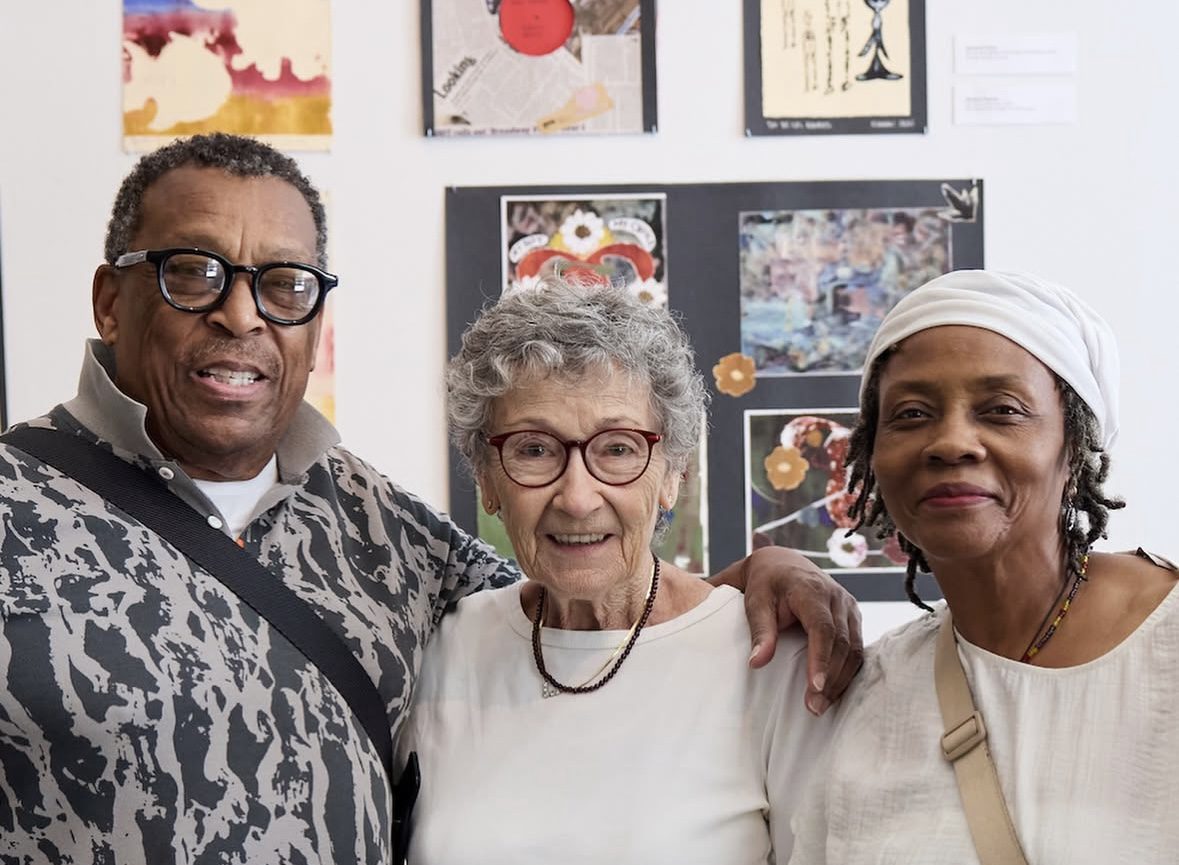
The museum also hosts an annual “Artist in the Marketplace” program, where a group of art professionals selects artists to participate. The program’s main goal is to create opportunities for a quick start for emerging artists.
Funding
The museum’s operating budget is $3.5 million. Previously, it received most of its funding from the state, but now the majority of funds come from corporations, foundations, and private donors. The museum typically spends between $10,000 and $50,000 a year on new acquisitions and also receives donations and bequeathed works. In 2013, a campaign was completed to raise $1 million to create a new fund focused on purchasing works by contemporary artists with a connection to the Bronx.
As a non-profit organization, the museum greatly values the support and assistance of numerous partners, including Mayor Eric Adams, the NYC Department of Cultural Affairs, Bronx Borough President Vanessa Gibson, the New York City Council, the Bronx Delegation, and the New York State Council on the Arts with the support of Governor Kathy Hochul. The Bronx Museum of Art also receives support from countless philanthropists, charitable organizations, and sponsors, who make it possible to implement the museum’s artistic, educational, and community programs.
Programs and Projects
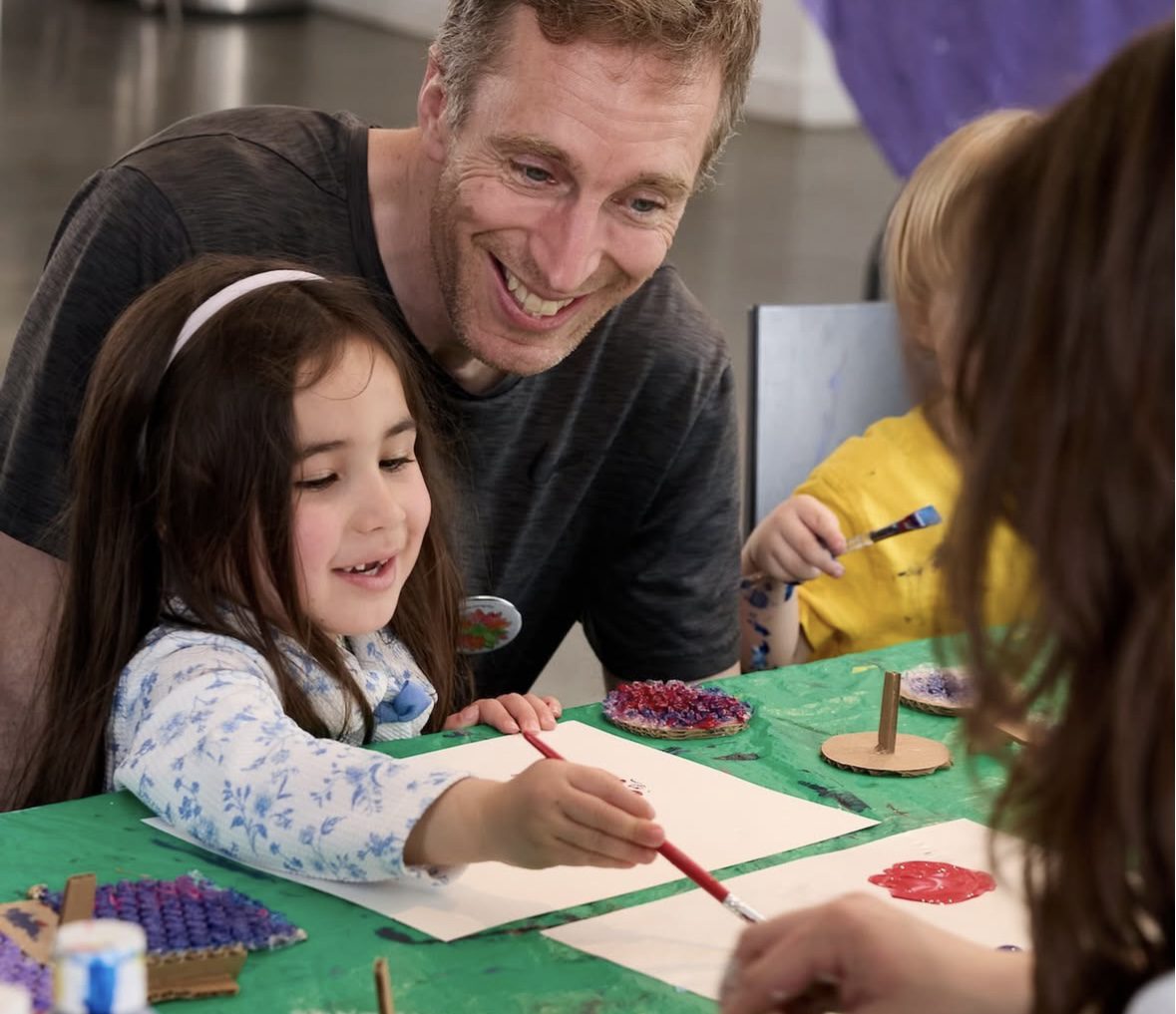
- Family Day & Family Time.
These free creative activities for all ages are held on select Saturdays (check the museum’s website for the latest info). Designed by Bronx Museum educators, these events are engaging for people of all ages and accessible to families with young children. Registration is not required.
- Teen Internship Program.
NYC high school students aged 14 to 19 can apply for fall, spring, and summer sessions of the youth internship program. The program accepts 12 students in each cycle who receive payment for their participation in art, cultural, and creative projects.
- Teen Council.
Launched in 2005, the Bronx Museum’s Teen Council program gives young people an opportunity to dive deeper into contemporary art and museum operations. Participants discuss current issues, create art projects, meet with contemporary artists, publish their own magazine, and study the museum’s current exhibitions. Participants receive stipends for their involvement in the Teen Council.
- Teen Summer Program.
Participants learn various art-making techniques and organize a final exhibition of their work. Stipends are also paid for participation in Teen Summer. The program runs for four weeks during NYC public school summer breaks. Participants meet three times a week at the museum and can take part in both Teen Summer and Teen Council.
- After-school Programs.
Each year, the museum hosts a series of innovative after-school programs aimed at combating gun violence in local schools, especially in high-violence areas.
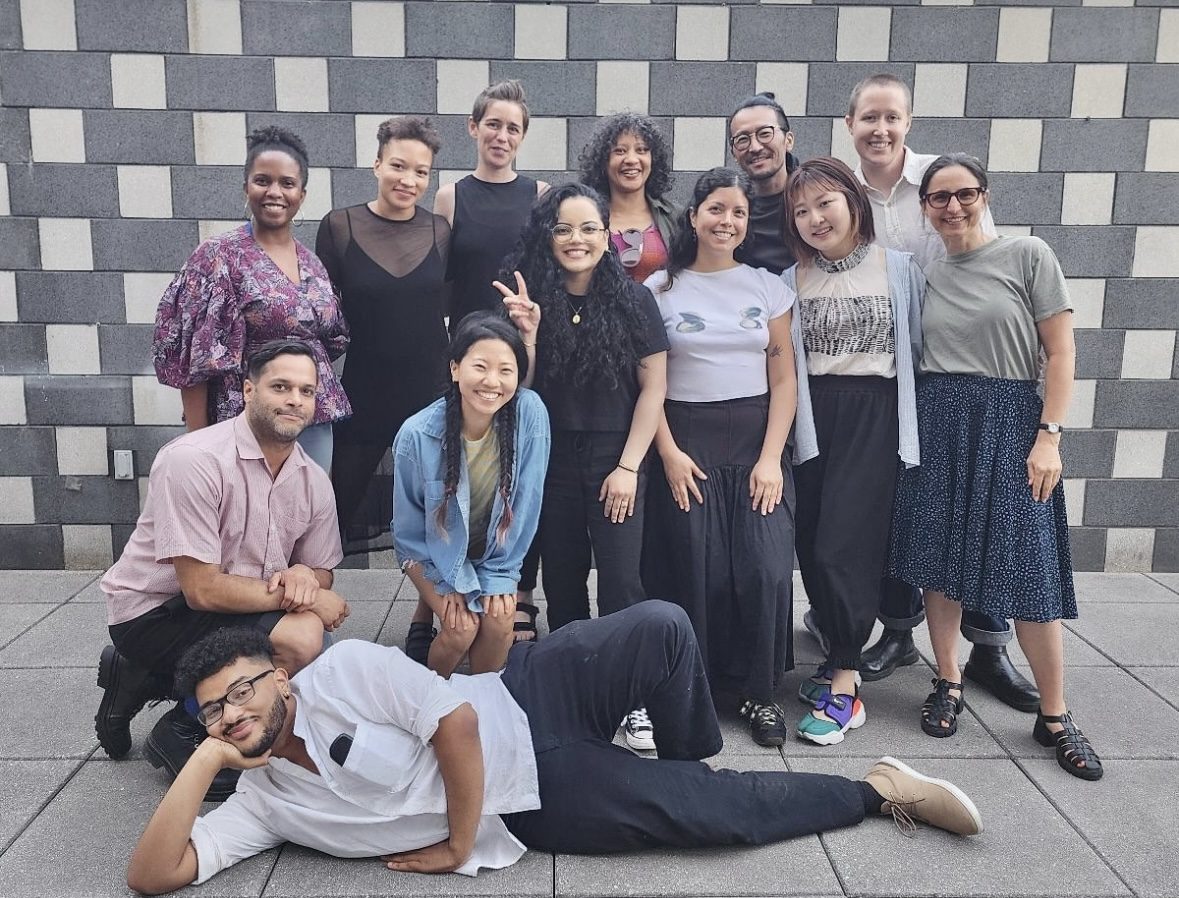
- Lifelong Studio: Art for Older Adults.
This series of hands-on art-making workshops is for adults aged 55 and over. Each 8-week program is free and culminates in an exhibition of the participants’ projects.
The museum is open Wednesday to Sunday from 11:00 AM to 6:00 PM. Children under 12 must be accompanied by an adult.