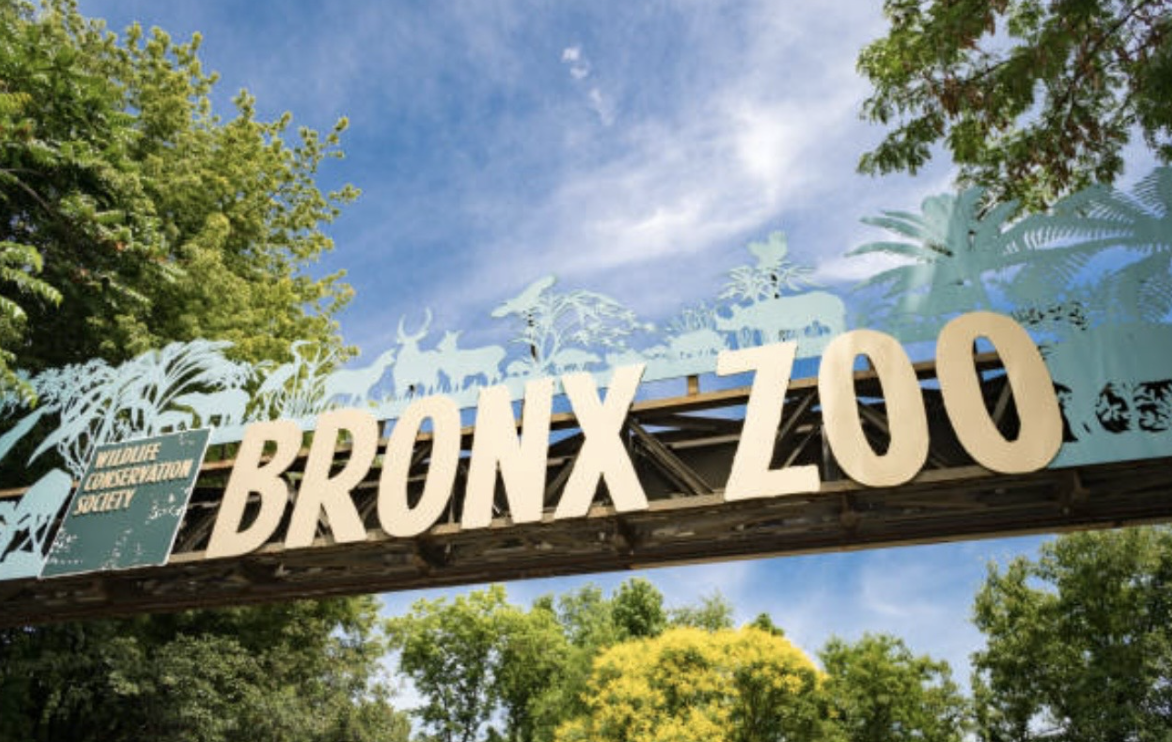

The Bronx Zoo in New York is one of the city’s most renowned conservation and cultural institutions. Over the course of more than 125 years, it has evolved from a traditional municipal zoo into a major scientific, educational, and social hub. Nestled within more than 260 acres of hardwood forest, it is a unique space where wildlife preservation goes hand in hand with education, research, and community support. In this article on i-bronx.com, we explore the history of the Bronx Zoo, its distinctive architecture, its vast animal collection, and its worldwide conservation initiatives. We also examine its vital local impact through youth development and job creation that are shaping brighter futures for residents across the Bronx.
A Cultural Phenomenon and the Rebirth of the Bronx: The Zoo’s Economic and Social Role
The history of the Bronx is both intricate and multifaceted. For decades, the borough was viewed nationwide as a symbol of urban decline—characterized by ethnic enclaves, struggling residential districts, and aging tenements that once drew Manhattan residents in search of affordable housing.
Yet despite this troubled reputation, the Bronx Zoo has always served as a clear testament to the borough’s immense potential. Owned by the City of New York through the Department of Parks and Recreation, the zoo operates as a member of the city’s Cultural Institutions Group. This public-private partnership provides municipal capital and operational support, in exchange for cultural and educational services accessible to all New Yorkers. In recent decades, as the Bronx experiences a true renaissance that continues to attract new residents and investment, the zoo plays a leading role in this ongoing renewal.
Architectural Heritage: The Historic Astor Court and Legendary Rainey Memorial Gates
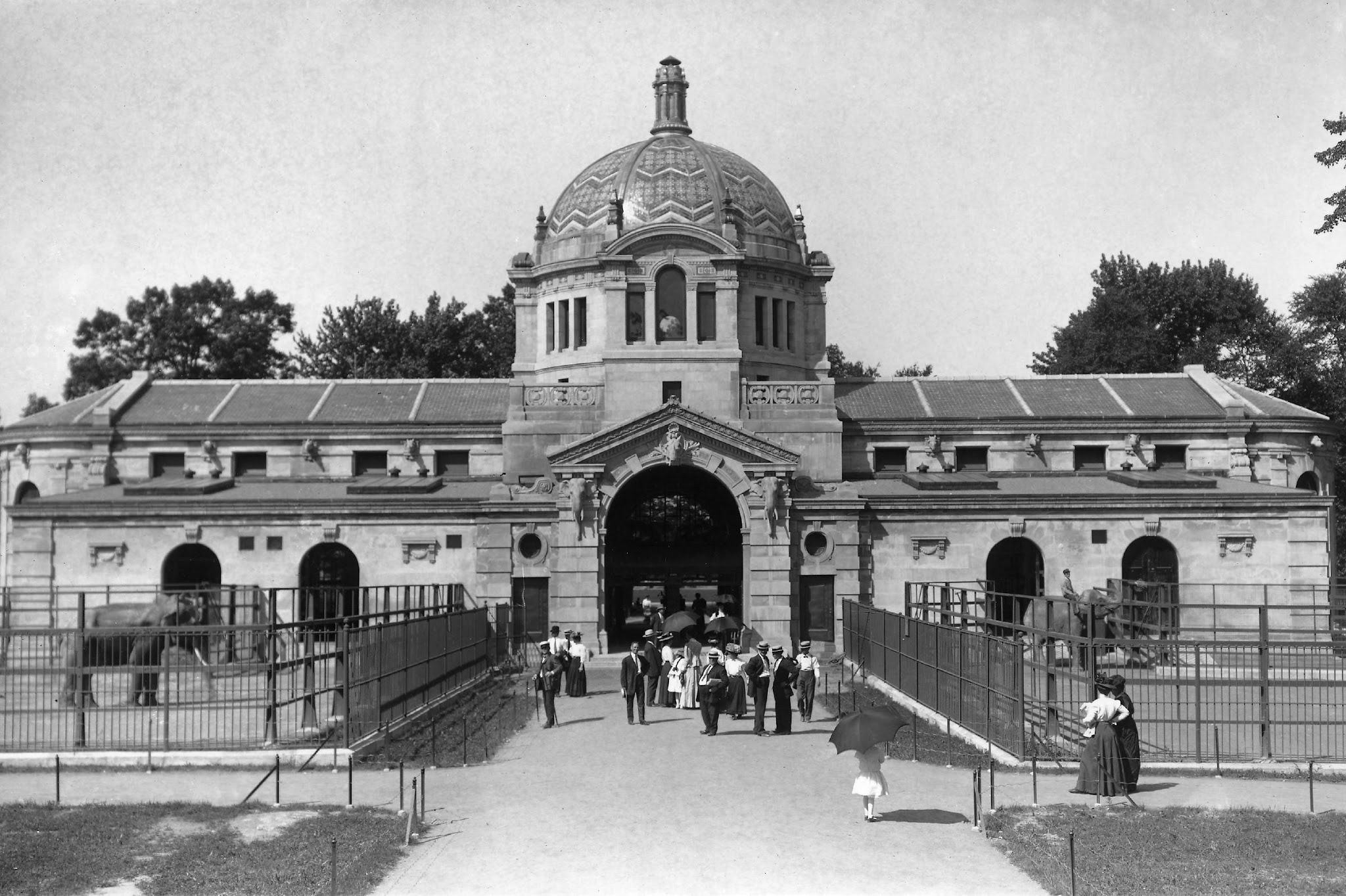
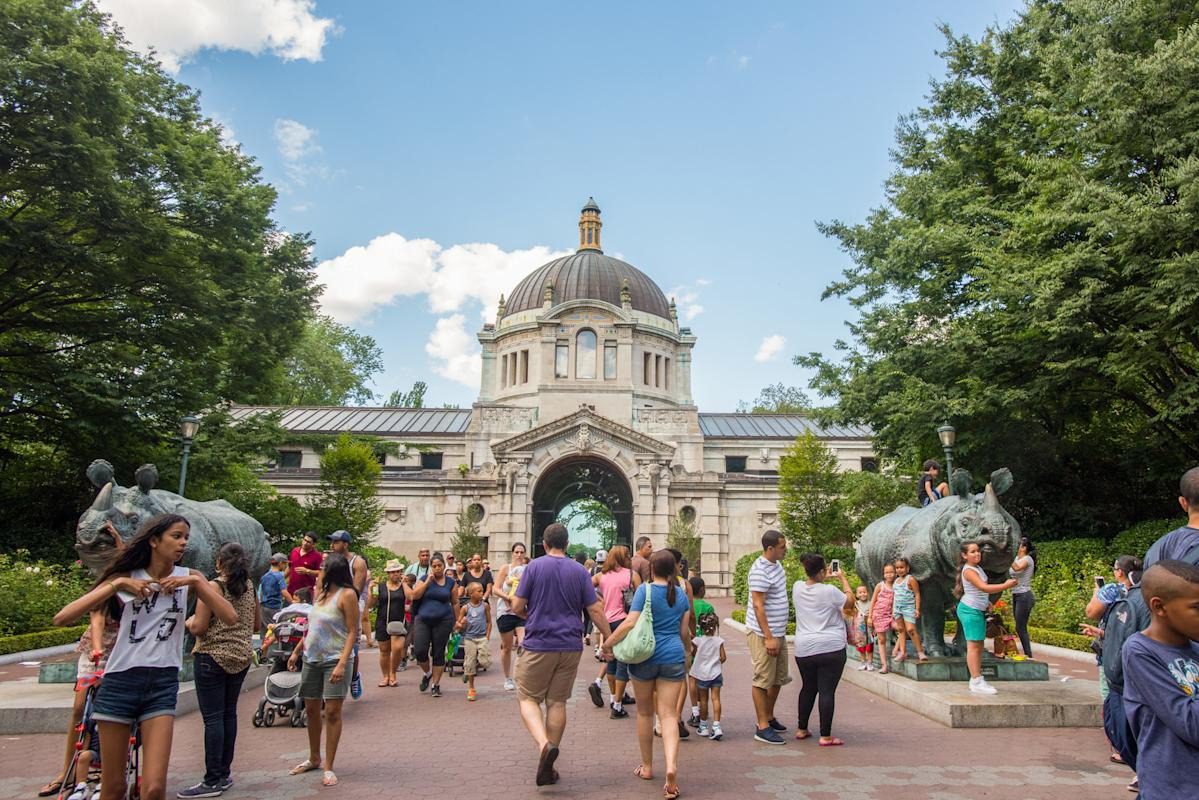
The Bronx Zoo captivates visitors not only through its rich biodiversity, but also with its striking architecture. Many of its historic structures were designed to reflect the ambitious aesthetic standards of the early 20th century.

- Astor Court (formerly Baird Court).
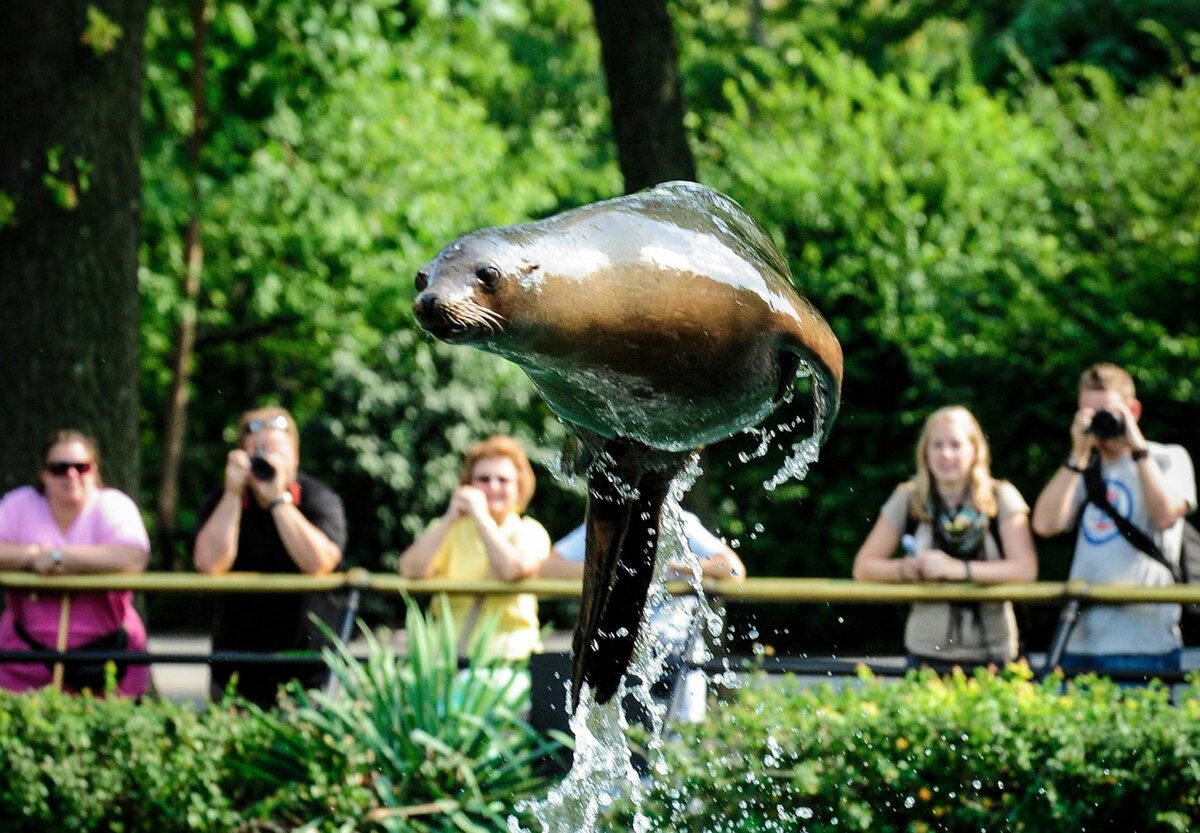
This is the historic heart of the zoo. The complex features elevated landscape terraces and an exquisite ensemble of Beaux-Arts buildings arranged around the central outdoor sea lion pool.
- Design and Concept.
Founding director William T. Hornaday took an active part in crafting the master plan, which was officially approved on November 22, 1897. He insisted on a cohesive classical harmony, noting:
“In my opinion, adherence to a harmonious architectural style is far more desirable than a series of jarring contrasts.”
- Enduring Legacy.
Five monumental pavilions of limestone, brick, and terracotta were constructed between 1899 and 1910 by the architectural firm Heins & LaFarge, with a sixth building added in 1922 by architect Henry Whitfield. Today, this distinguished ensemble is a designated New York City Landmark and stands as one of the few intact examples of the City Beautiful movement in New York.
Equally iconic are the Rainey Memorial Gates—the monumental 28-ton bronze gates erected in 1934 at the original Fordham Road entrance. Masterfully sculpted in the Art Deco style by Paul Manship, the gates feature 22 bronze animal figures inspired by famous zoo residents, including Buster the Galapagos tortoise, Jimmy the shoebill stork, and Sultan the lion. Dedicated to big-game hunter Paul J. Rainey, the gates are listed on the National Register of Historic Places.
Wildlife Conservation Society (WCS): From City Menagerie to Global Research Powerhouse
Behind the Bronx Zoo stands far more than a typical municipal administration: it is run by the Wildlife Conservation Society (WCS), a globally influential conservation organization. In addition to the Bronx Zoo, WCS manages the Central Park, Prospect Park, and Queens Zoos, as well as the New York Aquarium.
The origins of WCS date back to the late 19th century, when it was chartered in 1895 as the New York Zoological Society. From the very beginning, its vision reached far beyond creating a casual venue to display exotic animals.
As The New York Times reported at the time, quoting the society’s charter mission:
“Its objects are the establishment and maintenance of a zoological garden in this city for the encouragement of the study of zoology, for original research in kindred subjects, and for the education and recreation of the people.”
That forward-thinking approach shaped the trajectory of the Bronx Zoo for generations. Step by step, it transformed from a showcase of wild beasts into an advanced scientific center uniting research, education, veterinary medicine, and frontline field projects to save endangered species.
The historical reach of the Bronx Zoo is extraordinary: it has welcomed approximately 260 million guests from around the globe. For an institution of this caliber, this is far more than attendance data. Every visit is a valuable opportunity to connect people with species they may never encounter in the wild and explain why biodiversity preservation is essential.
While public attitudes toward zoos have evolved dramatically over the past century, their core purpose remains unchanged: helping people discover the wonders of the natural world while finding ways to safeguard them.
Community Impact: Youth Programs and Status as the Largest Youth Employer in the Bronx
Beyond wildlife conservation, the zoo performs an essential civic mission. WCS is the largest employer of young people in the Bronx, providing career opportunities to residents of one of the nation’s most historically underserved communities.
- Each year, more than 1,800 youth aged 14 to 24 gain meaningful work experience through internships, volunteer programs, and direct employment.
- Between 800 and 1,000 young team members work directly at the zoo annually, assisting staff across diverse departments—from animal care to culinary services, parking, and retail operations.
- In 2018, WCS launched the WCS Career Lattice program, designed specifically for youth from historically under-resourced New York neighborhoods.
- The initiative’s success speaks for itself: in 2022, 85% of participating youth reported plans to pursue careers in science and conservation.
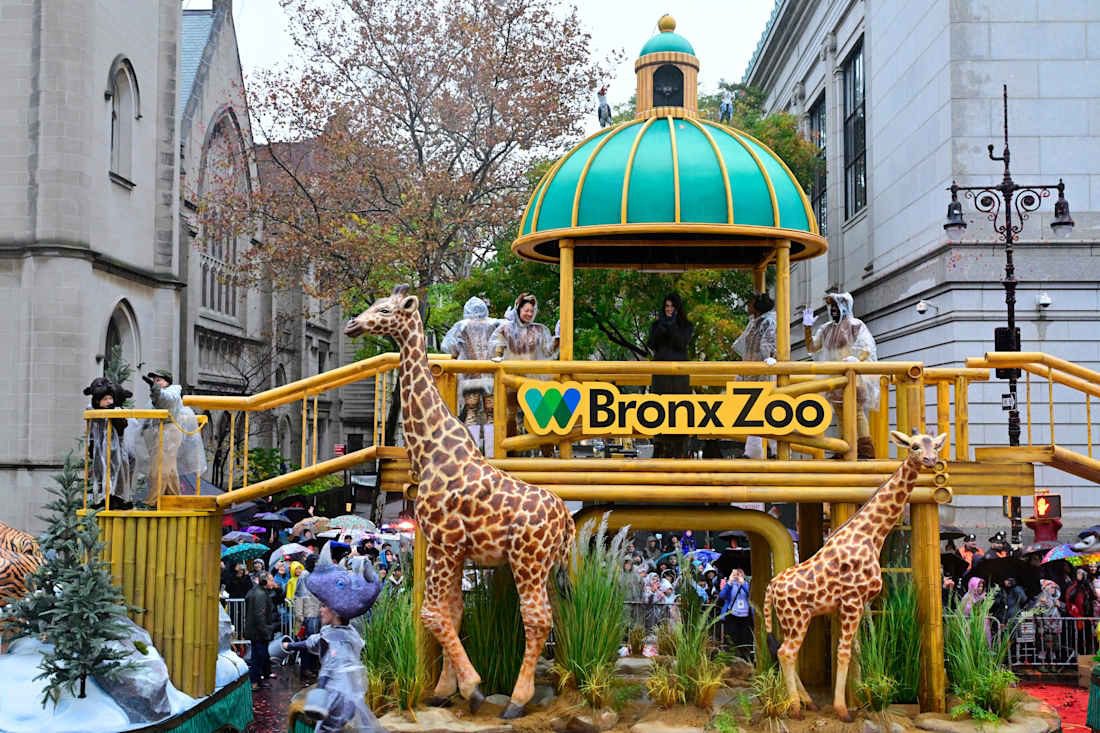
As Bronx Zoo Director Jim Breheny highlights:
“For many teenagers, it begins as a summer placement through the Summer Youth Employment Program, and they often end up working at the zoo for years.”
125th Anniversary: The Animal Chronicles Exhibition and Educational Legacy for Future Generations
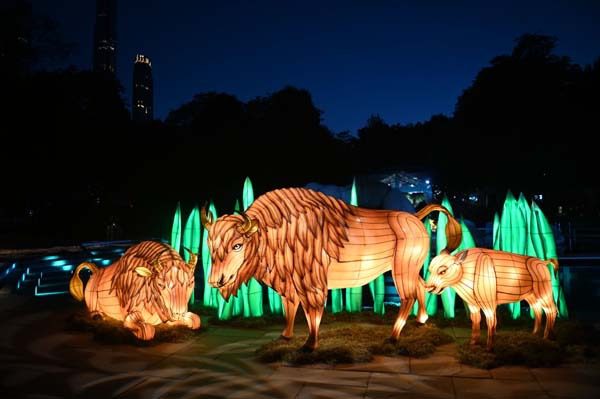
On April 18, 2024, the Bronx Zoo celebrated its 125th anniversary. The milestone went far beyond ceremonial speeches: it was marked by the launch of the new Animal Chronicles exhibition, which serves as a walking narrative of the zoo’s rich history and its worldwide conservation triumphs.
Designed as a scenic quarter-mile trail, the exhibition features large-scale animal sculptures nestled in recreated natural habitats. The creators used exclusively natural materials—stone, wood, Spanish moss, and bamboo. Through these artistic installations, the exhibition introduces visitors to species that have been protected or restored through the zoo’s conservation initiatives throughout its 125-year history.
The Bronx Zoo has long been an anchor of New York’s economy and social fabric. Major cultural institutions generate vital tax revenues, stimulate tourism, and inject millions of dollars directly into the local economy.
Its educational reach is just as vast. Alongside other WCS facilities, the zoo educates approximately half a million students each year. For countless children, an appreciation for biology starts not on the pages of a textbook, but right here—through interactive workshops, guided tours, and direct encounters with extraordinary wildlife.
For the Bronx, the zoo is far more than an iconic tourist attraction. It is a defining chapter of the borough’s history and an anchor of its modern identity. At the same time, its conservation initiatives extend well beyond New York—protecting wild habitats today so that endangered species have a chance to survive tomorrow.