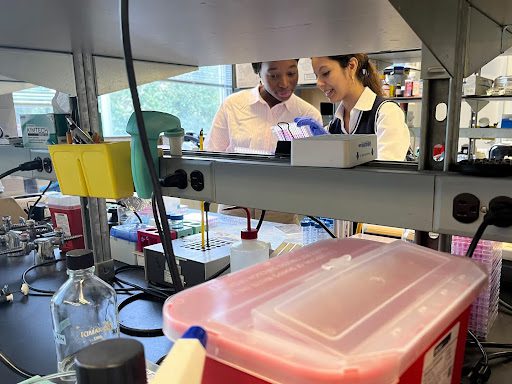

Cancer is a disease that the entire world is desperately fighting. The Montefiore Medical Center in the Bronx is dedicating a great deal of attention to researching this terrible illness. Since 2022, students have been able to access the labs at the Montefiore Einstein Comprehensive Cancer Center through a new program called BEYOND ALBERT. And these are just regular high school students. This article from i-bronx.com will tell you about the project’s goals and how it’s impacting the youth of the Bronx.
The BEYOND ALBERT Program: Core Principles
The Montefiore School Health Program was the foundation for the creation of a major medical and educational project in the Bronx: BEYOND ALBERT (Bronx Einstein Youth Oncology Network Dedicated to Academic Learning, Biomedical Education and Research Training). Dr. Edward Chu, MD, and Vice President of Oncology at Montefiore Medicine, also played a key role.
“Dr. Chu was deeply committed to developing a STEM research program for students who reside in the Bronx, and he felt that we should leverage our working relationships with many schools in the area,” said Dr. Chhabra, who is also a research associate professor of pediatrics, psychiatry, and behavioral health at Einstein.
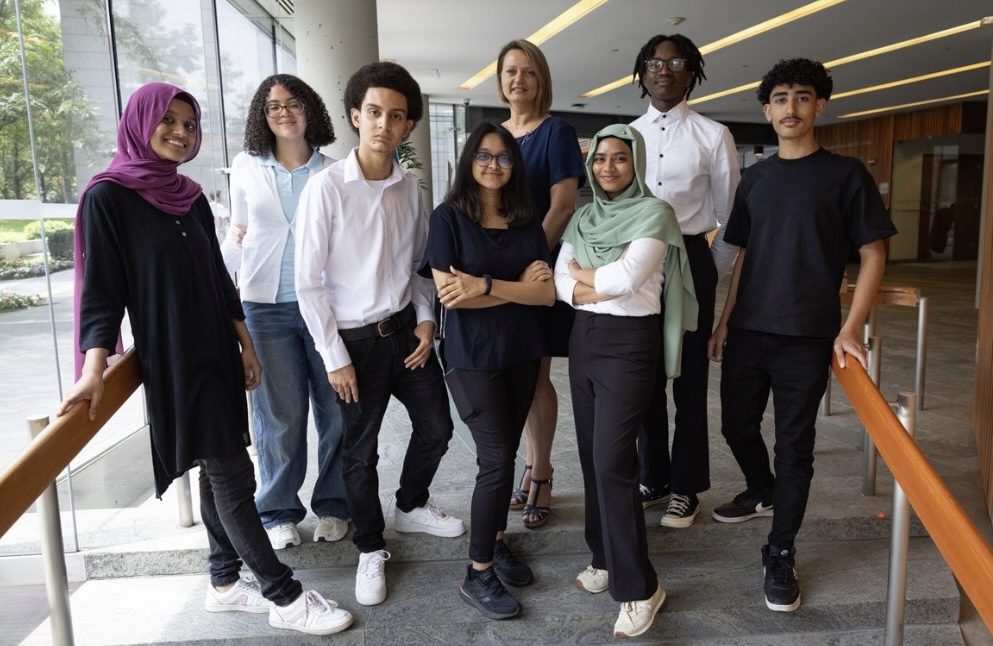
In 2022, the BEYOND ALBERT program was launched to support students in the Bronx. It focuses on academic education, biomedical learning, and research training in labs under the guidance of experts at the Montefiore Einstein Comprehensive Cancer Center.
The program has two parts: a summer session and after-school sessions. The summer session lasts for 8 weeks, with participants working full-time, Monday through Friday (9 a.m. to 5 p.m.). After the summer session, students can continue with the after-school sessions, which are held every Thursday from September to May for 2 hours (4:30 p.m. to 6:30 p.m.).
During the after-school program, students have the opportunity to attend various scientific lectures and seminars, developing scientific thinking and research skills. Each program participant also receives individual mentorship to support their career and professional development.
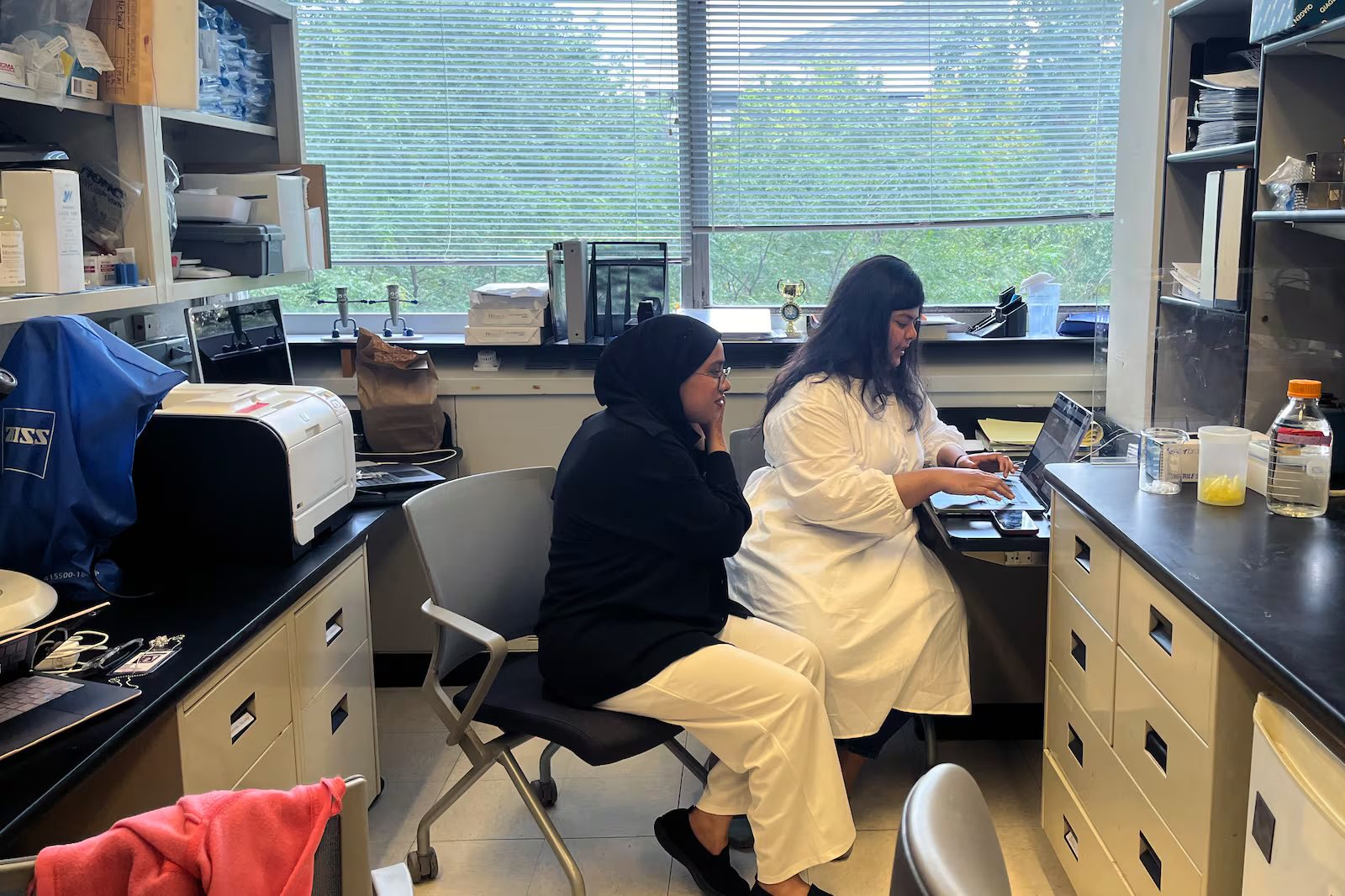
The core program includes:
- hands-on lab work;
- seminars;
- workshops;
- lectures;
- a professional development course;
- creating their own research presentations.
It’s worth noting that the program is designed to encourage students to learn as much as possible. It includes various interactive sessions, with a primary focus on practical work, interesting experiments, and research.
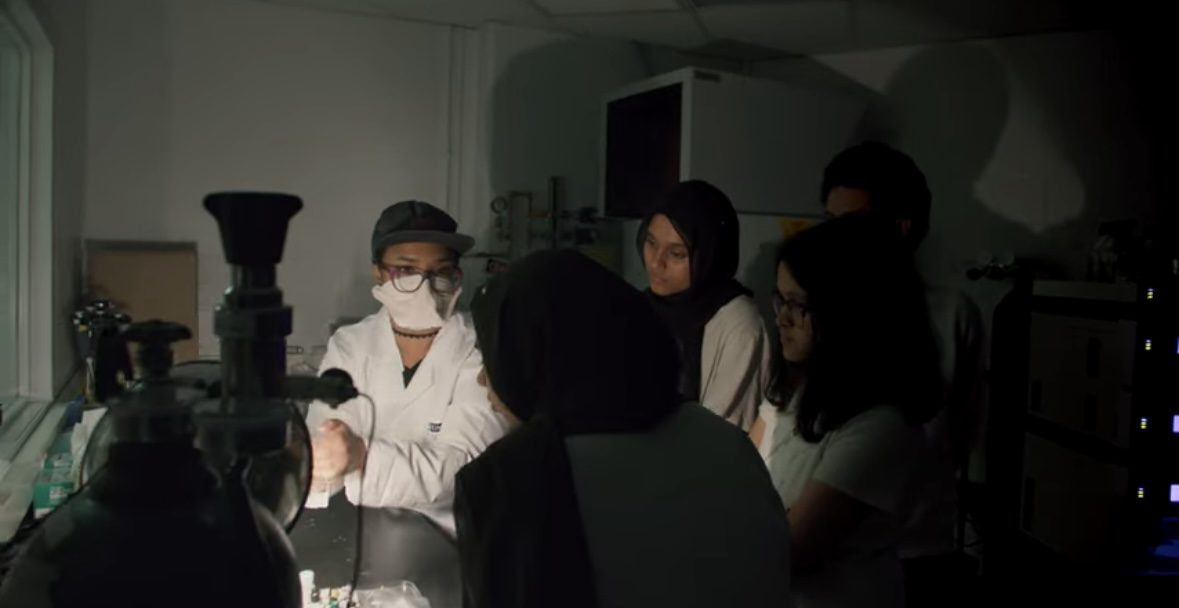
Who Can Join and What Are the Perks?
There are no strict requirements to become a BEYOND ALBERT participant. Any high school student in the Bronx who is 16 years or older can apply. All you need is a desire to learn and a passion for science.
The application package is standard: an application form, a parental consent form, copies of school transcripts, and a recommendation form from a teacher or principal. Since the number of participants is limited, the main criteria for selection are school transcripts and the students’ answers on the application form. Special attention is paid to the answers to the following questions:
- What are your future academic and career goals?
- Why are you interested in science and research?
- What do you hope to gain from this program?
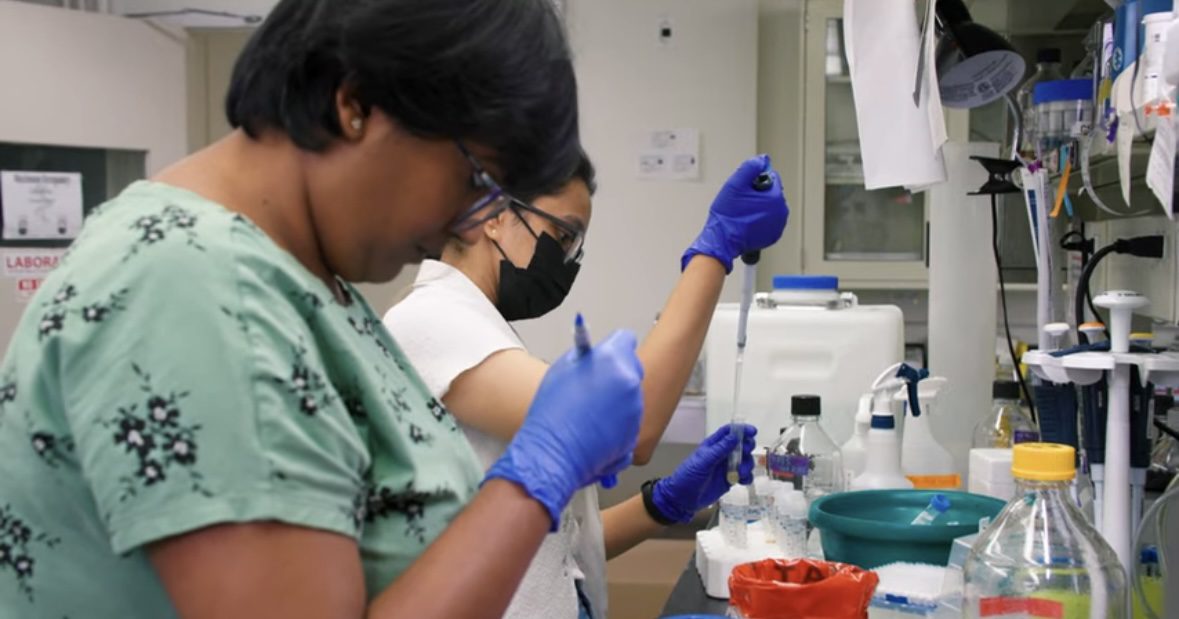
There’s a lot of interest in the program, and besides the opportunity to significantly improve one’s knowledge and gain an advantage for college admissions, participation in BEYOND ALBERT comes with a $2,500 stipend for successful completion of the summer program. Each participant also receives a voucher for daily meals and a MetroCard for transportation.
But along with all the perks, there are also requirements. All BEYOND ALBERT research program participants must attend all sessions, information sessions, and seminars, and take part in all lab work. In the case of unexcused absences and a lack of dedication to their studies, the BEYOND ALBERT administration reserves the right to dismiss students and replace them with other applicants.
How the First Two BEYOND ALBERT Courses Went
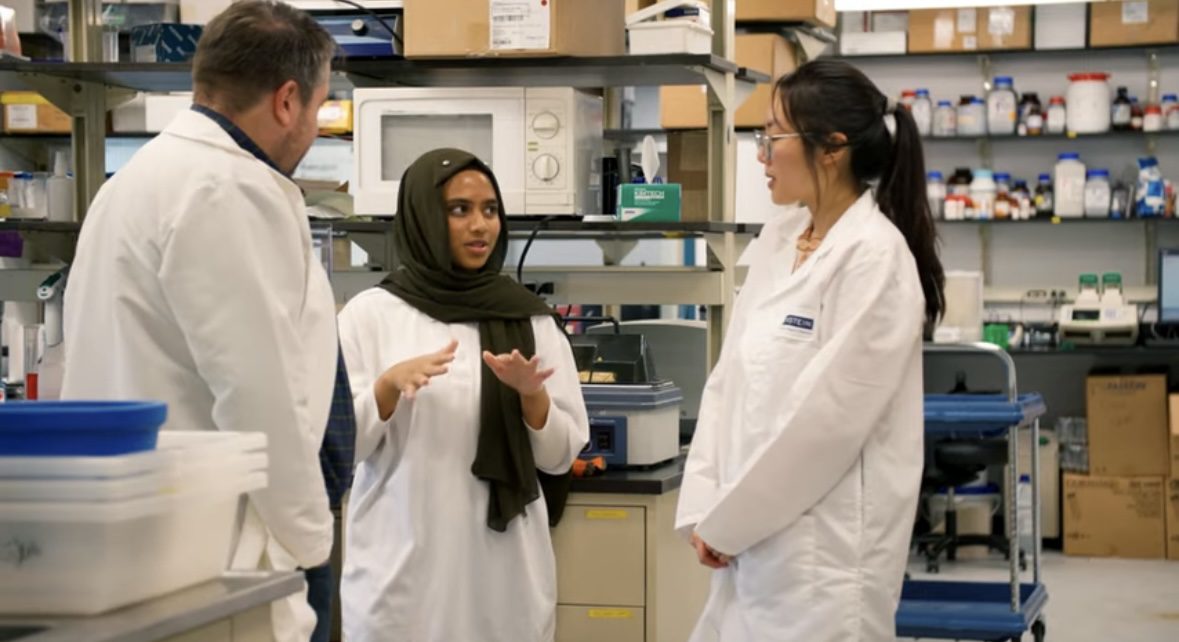
The program launched in 2022. Only 7 students were selected, and each was assigned to a specific lab at the Cancer Center. The main goal was to provide an individualized approach, explaining cancer terminology with simple, real-world examples. The head of the BEYOND ALBERT program, Dr. Christina Ames, PhD, played a crucial role in the entire process. She designed the entire course and provided daily mentorship. Christina Ames based the learning on a team-based approach, where students study science together and interact with one another, asking questions and analyzing data. So, each student works in a separate lab, delving into their own project, and then they all discuss each other’s research in group sessions. This approach provides continuous feedback and stimulates independent thinking.
Another goal of the curriculum is to help high school students transition to college. The program includes many career and professional development sessions where participants learn the basics of college preparation, writing personal statements and essays, filling out online profiles and resumes, and developing essential communication skills. All of this will help students in the future, as this knowledge can be used in various fields and is crucial for success in their careers and personal lives.
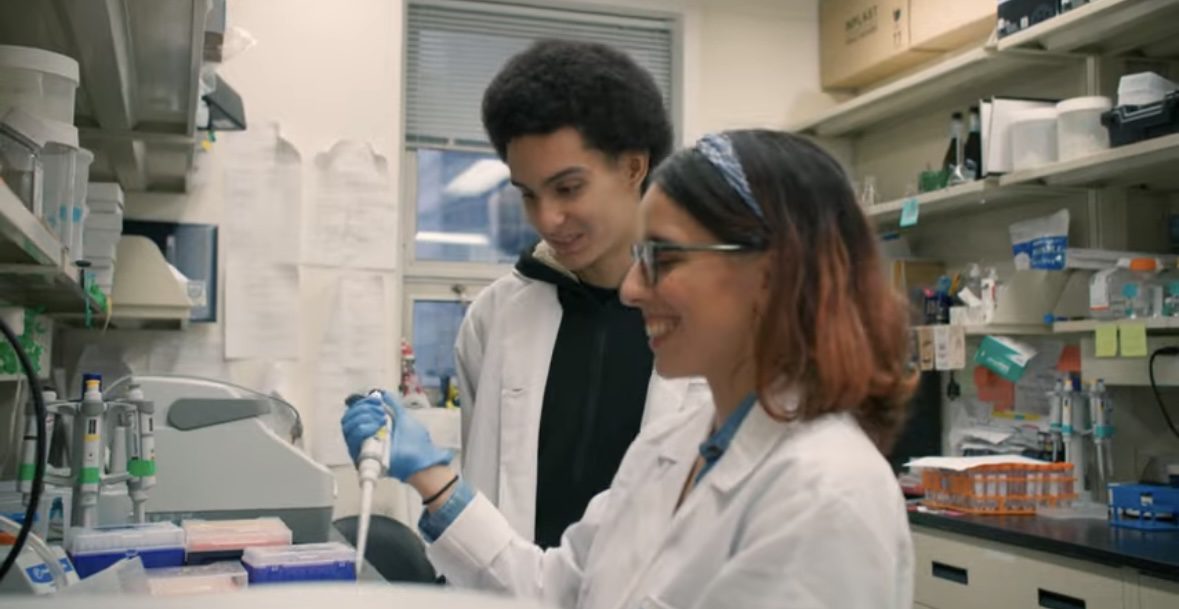
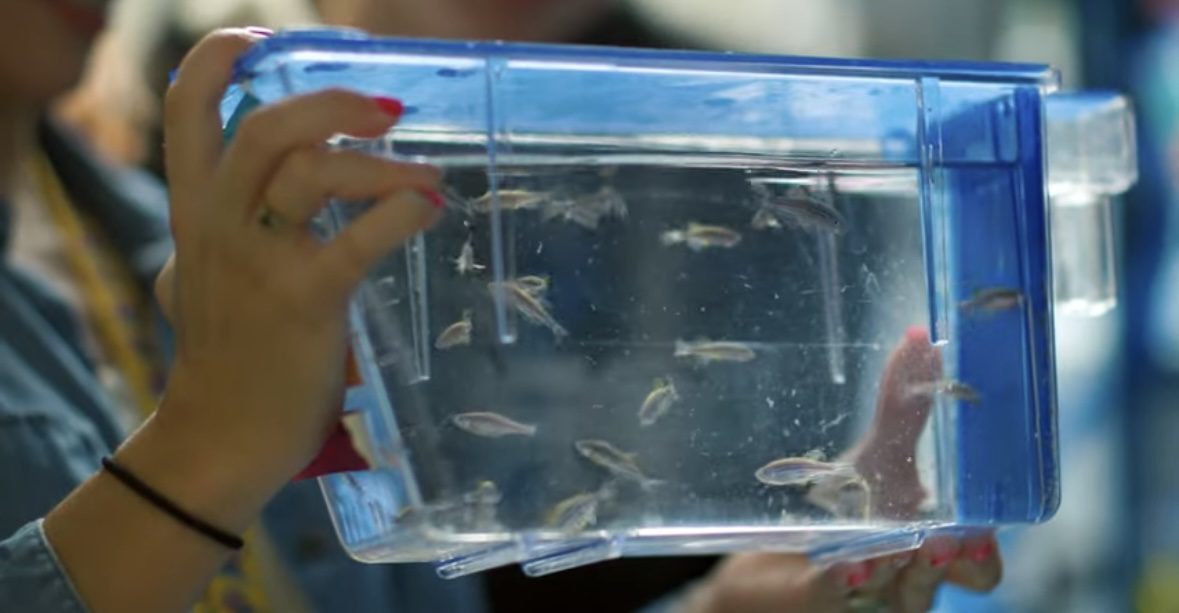
In 2023, the program accepted twice as many students. Fifteen high school students were paired with graduate student mentors in the Cancer Center labs. Each year, the project leaders introduce new and interesting learning formats to make the process more diverse. In 2023, they added workshops like pipetting training, creating DNA sequencing models with LEGOs, observing fish embryos, and learning about the drug development process.
Every week, students gather for “Cookie Wednesday” meetings, where they can socialize with each other, medical professionals, and faculty, as well as participants from the Summer Undergraduate Research Program, in a relaxed setting with cookies and other treats. These informal meetings allow students to learn even more about science and medicine.
At the end of the program, all participants present their research at a symposium attended by faculty, program leaders, and their family members.
Stories from BEYOND ALBERT Participants
Sumaiya Jessi, a senior at the Bronx High School of Science, has always been passionate about biology and dreamed of becoming a doctor. So, as soon as the BEYOND ALBERT program was announced at her school, Jessi immediately applied to participate. For two months, she worked in a lab at the Montefiore Einstein Cancer Center, where she researched dormant lung cancer cells to help with earlier detection and more effective treatment for patients with relapses.
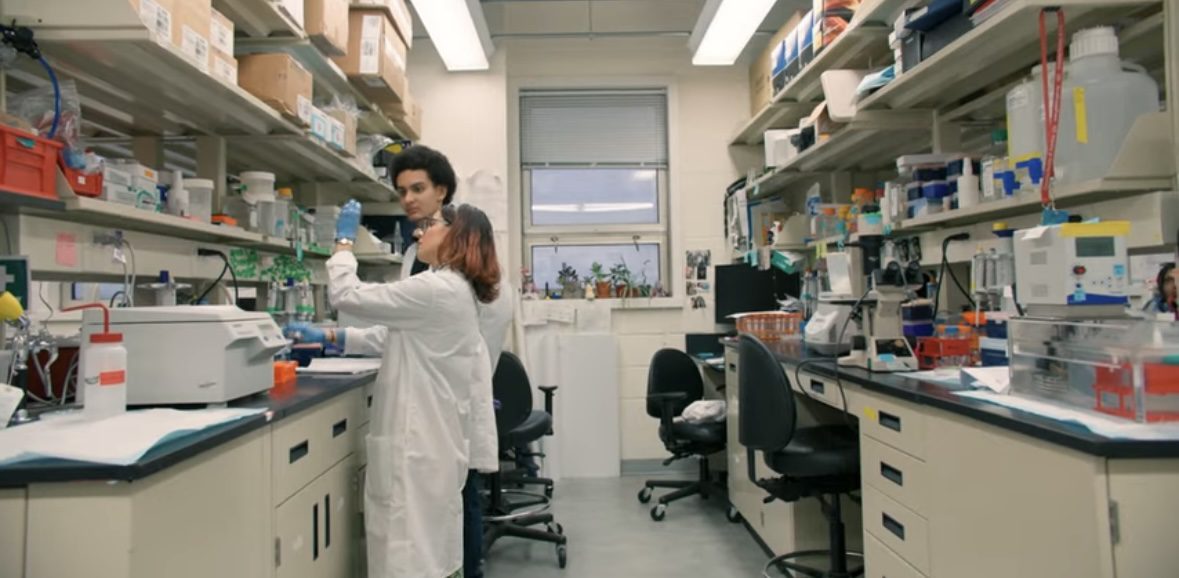
Under the guidance of her mentor and with the support of graduate students, Jessi conducted cell research and analyzed how different drugs affect cancerous growths. As a result of the program, the young woman gained new knowledge, extensive hands-on lab experience, and a $2,500 stipend. Jessi plans to attend medical school after college and was very happy to have had the opportunity to get a closer look at medicine and confirm that she truly wants to dedicate her life to it.
“It’s cool to see how textbook knowledge is applied here, and how they can create these treatments that are eventually prescribed to patients,” Jessi said.
For Diana Plaza, a student at Fordham University who also participated in the BEYOND ALBERT program while in high school, the experience of working in the Einstein lab was a crucial step in preparing for her college science studies. It gave her the skills to write scientific papers and present her research findings. Plaza noted that similar opportunities are usually available in other boroughs, like Manhattan or Brooklyn, so having such a program in the Bronx was very valuable.
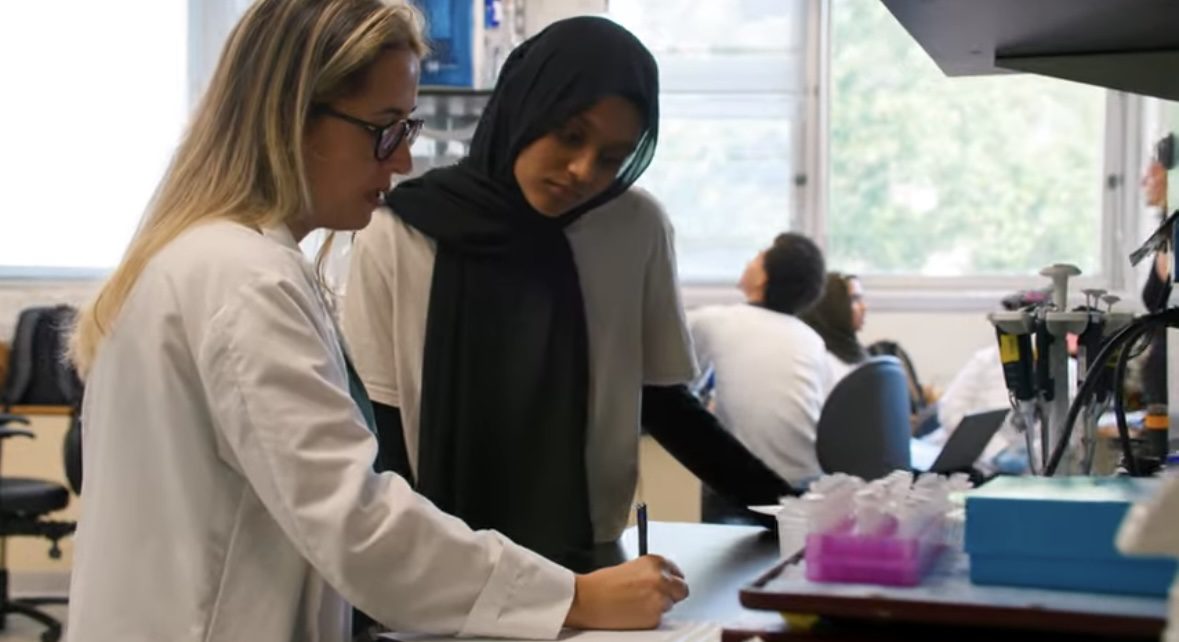
Diana worked with her mentor to research the effect of air pollutants on the development of lung cancer. The experience she gained from the program solidified her future plans.
“Before this program, I didn’t realize that research was an opportunity for me,” she said. “I thought all science had to be medical. When I started doing this program and I realized it was more focused on gaining knowledge, understanding, and developing the field, that’s when I realized I actually enjoy doing this type of work more than doing the medical side of things.”
This work also has a personal connection for Plaza, as her mother was diagnosed with breast cancer. She expressed gratitude for the opportunity to contribute to scientific development so that such cases might become less common in the future.