

Imagine this: you’re just sitting in a cafe, enjoying lunch, or maybe getting a routine manicure. Everything seems normal and safe. But have you ever stopped to think that in those moments, you could unknowingly contract hepatitis? Yes, it can happen. Hepatitis is an illness that can sneak up on you almost without a trace, sometimes in the most unexpected situations, like visiting a cosmetologist or even sharing food with a friend. But it’s not as scary as it seems at first glance. In this article, we’ll break down what hepatitis is, the different types, how to protect yourself from this disease, and where to get help in the Bronx if, heaven forbid, you get sick. Read more on i-bronx.
What is Hepatitis and What Are Its Types?
Hepatitis isn’t just a word you hear in medical journals or on TV. It’s a disease that affects the liver and can have serious consequences if left untreated. Can you believe that back in the 19th century, doctors didn’t even know this disease existed? The term “hepatitis” first appeared in scientific circles in the 1800s when researchers began to understand that certain infections caused liver inflammation. But it wasn’t until the 20th century that this disease became a real challenge for doctors, as more and more people in the Bronx and around the world suffered from mysterious liver problems.

When it comes to the different types of hepatitis, there are quite a few. The most well-known are Hepatitis A, B, C, D, and E.
- Hepatitis A is arguably the least dangerous form. It’s transmitted through contaminated food or water. Imagine you could get sick from eating unwashed vegetables, drinking water from an unknown source, or even having contact with an infected person. Fortunately, a vaccine for Hepatitis A can protect you from getting it;
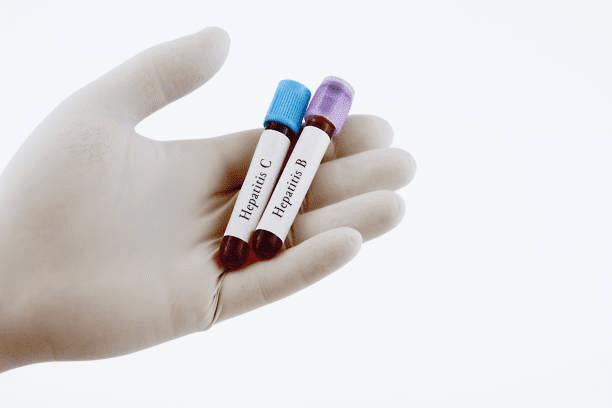
- Hepatitis B is more serious. It’s transmitted through blood and other bodily fluids. You can get infected from using unsterile medical equipment or even from getting a tattoo at a parlor that doesn’t follow proper hygiene standards. This type of disease doesn’t always show symptoms, so people are often unaware that they are carriers of the virus;
- Hepatitis C is probably the most insidious of all. It can “sleep” for years before the first symptoms appear. It’s transmitted through contact with the blood of an infected person. The disease can lead to liver cirrhosis or even cancer;
- Hepatitis D is an additional virus that can only attack in combination with Hepatitis B. So, if you have the B virus, your chances of “meeting” D are significantly higher;
- Hepatitis E is very similar to type A and is transmitted through water, but it’s most often a problem in countries with poor sanitation. While such problems don’t really exist in the Bronx, it’s always worth remembering that hygiene is the key to good health.
Interestingly, despite its “quiet” nature, Hepatitis C became a real challenge for the U.S. in the 1990s and 2000s. It was only after active screening of donated blood began that the incidence rate dropped significantly. In the Bronx, as in other major cities, the cost of testing and vaccination is rising, and more people are becoming aware of ways to protect themselves.
Signs of Hepatitis
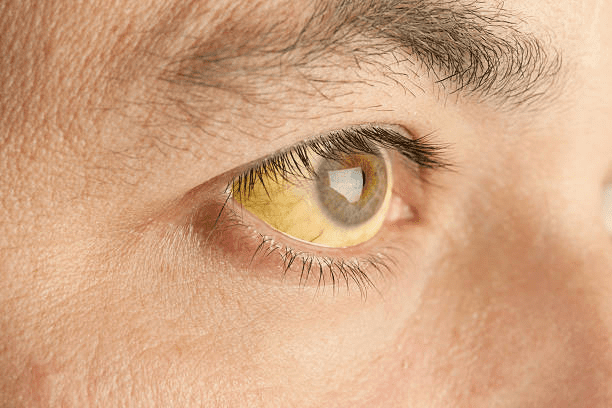
How do you know if you might have contracted hepatitis? Here’s the catch: hepatitis can often be almost asymptomatic, and you might not even notice that something is wrong. But if you pay attention to your well-being, you can spot a few warning signs. If you suddenly start feeling fatigued even after a good rest, or if you feel more nervous and irritable than usual, that’s a first red flag. Another clear sign is a change in the color of your skin and the whites of your eyes, which may take on a yellowish tint—this is called jaundice, which often accompanies hepatitis. Don’t hesitate if this happens! If you experience pain in your upper right abdomen or a feeling of heaviness in your stomach, or if your appetite has changed, it’s a serious cause for concern.
But here’s what’s important to understand: symptoms can be similar to many other illnesses. That’s why if you have even the slightest suspicion that you might be infected, the first thing you need to do is see a doctor. Don’t put it off, because only a specialist can make an accurate diagnosis. And if the doctor confirms that you are infected, don’t panic! Sometimes hepatitis can be cured, and in some cases, serious complications don’t even arise if treatment is started on time.
Which Clinics to Contact in the Bronx
If you’re a native Bronx resident, you’re likely familiar with the large, established medical institutions. Here are a few places where you are guaranteed to receive qualified help:
- Montefiore Medical Center — This medical center is a true flagship in the Bronx. It serves countless patients with various issues, including infectious diseases like hepatitis. They have experienced doctors who will not only perform all necessary tests but also create an individualized treatment plan based on your needs. This is a place you can go to not just for a first consultation, but for long-term observation;
- BronxCare Health System — Another clinic that is very popular among locals. They offer a wide range of medical services and have a specialized department for treating infectious diseases. BronxCare also has doctors who can diagnose hepatitis in its early stages, which is important for preventing serious complications.
But what if you’ve recently moved to the Bronx and don’t know where to turn, or you’re afraid of a language barrier and unfamiliar procedures? Don’t worry. For immigrants, especially newcomers, the Bronx has clinics that specialize in working with new arrivals and are ready to help with any questions:
- The Institute for Family Health — Here you will receive medical care with special attention to the cultural and linguistic needs of immigrants. They understand how important it is to be understood, so they create a comfortable atmosphere for patients who are just starting their life in the U.S. In addition, this clinic has experience working with diseases like hepatitis and offers a complete examination;
- Community Healthcare Network — This organization actively works with immigrants and offers not only medical services but also access to special programs that can help if you don’t have health insurance. They are conveniently located and work with all categories of patients, regardless of their social status or language barriers. Here, they won’t just screen you for hepatitis, but they’ll also advise you on prevention.
Don’t be afraid to seek help, even if you’ve just arrived in the Bronx. Local medical institutions are ready to support everyone, providing professional help at all stages of treatment. And don’t forget—the sooner you see a doctor, the better your chances of a quick and successful recovery!
Vaccination is the Main Prevention for Hepatitis
The best way to protect yourself from hepatitis is through vaccination. A vaccine is a reliable barrier that helps you avoid infection even in situations where you can’t be completely in control, such as when visiting medical facilities or interacting with other people. It’s the most effective prevention method, protecting you not only from Hepatitis A but from other types of this dangerous disease.