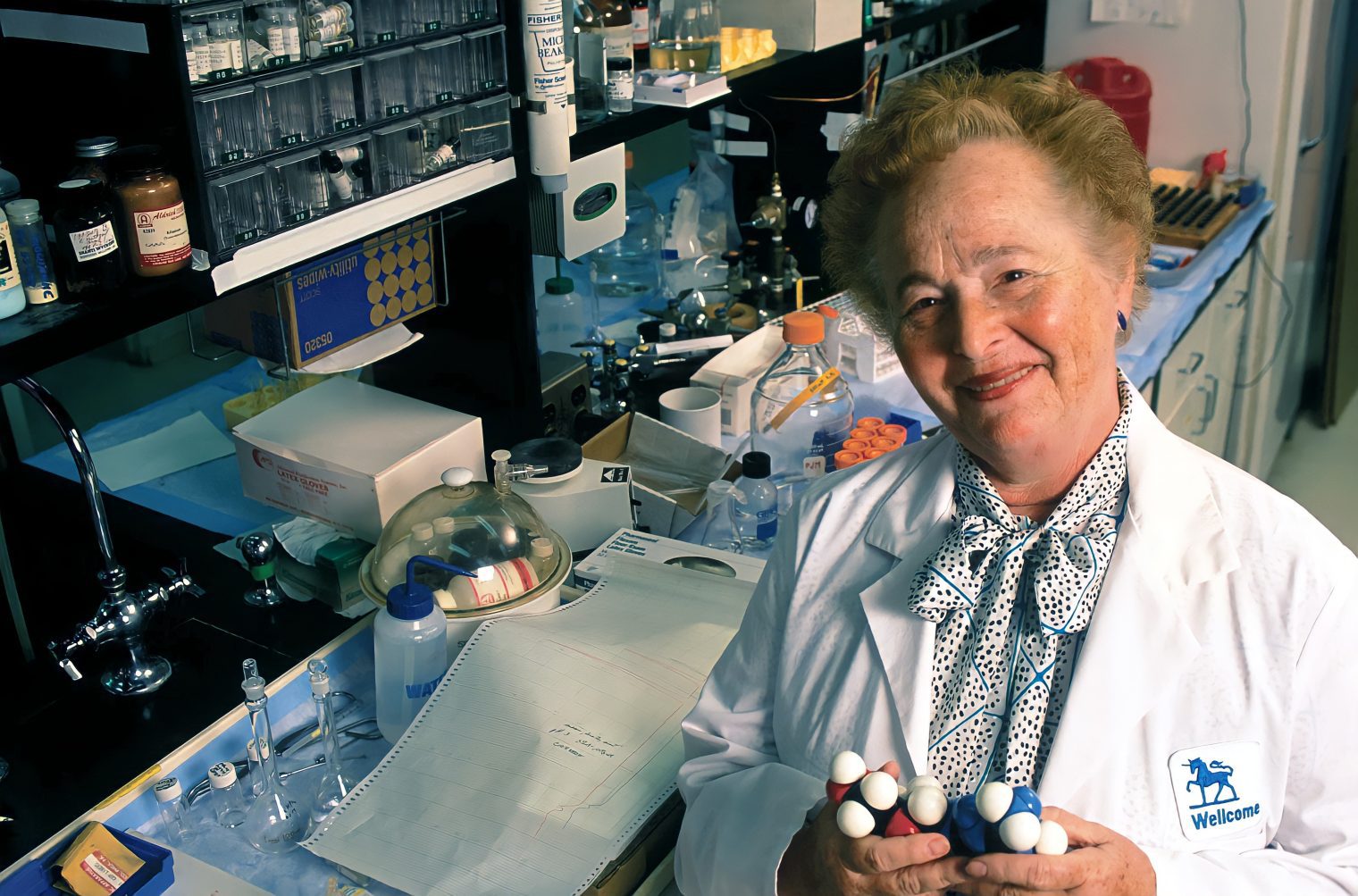

When the COVID-19 pandemic began, the world’s population was confused by this threat. But in April 2019, there was information that there was a light at the end of the tunnel. Anthony Fauci, former Director of the National Institute of Allergy and Infectious Diseases, named a drug, remdesivir, that helps patients recover. It was called “a very important proof of concept” in the fight against the pandemic.
It protects against the virus and prevents its reproduction and spread. Back in the second half of the twentieth century, scientists could not even dream of such a success. It would never have been achieved if not for the research on antiviral drugs conducted by Bronx resident Gertrude “Trudy” Elion. Thanks to her, it became possible to treat herpes, hepatitis, HIV and Ebola. Read more about her contribution to saving humanity on i-bronx.com.
Trudy’s childhood
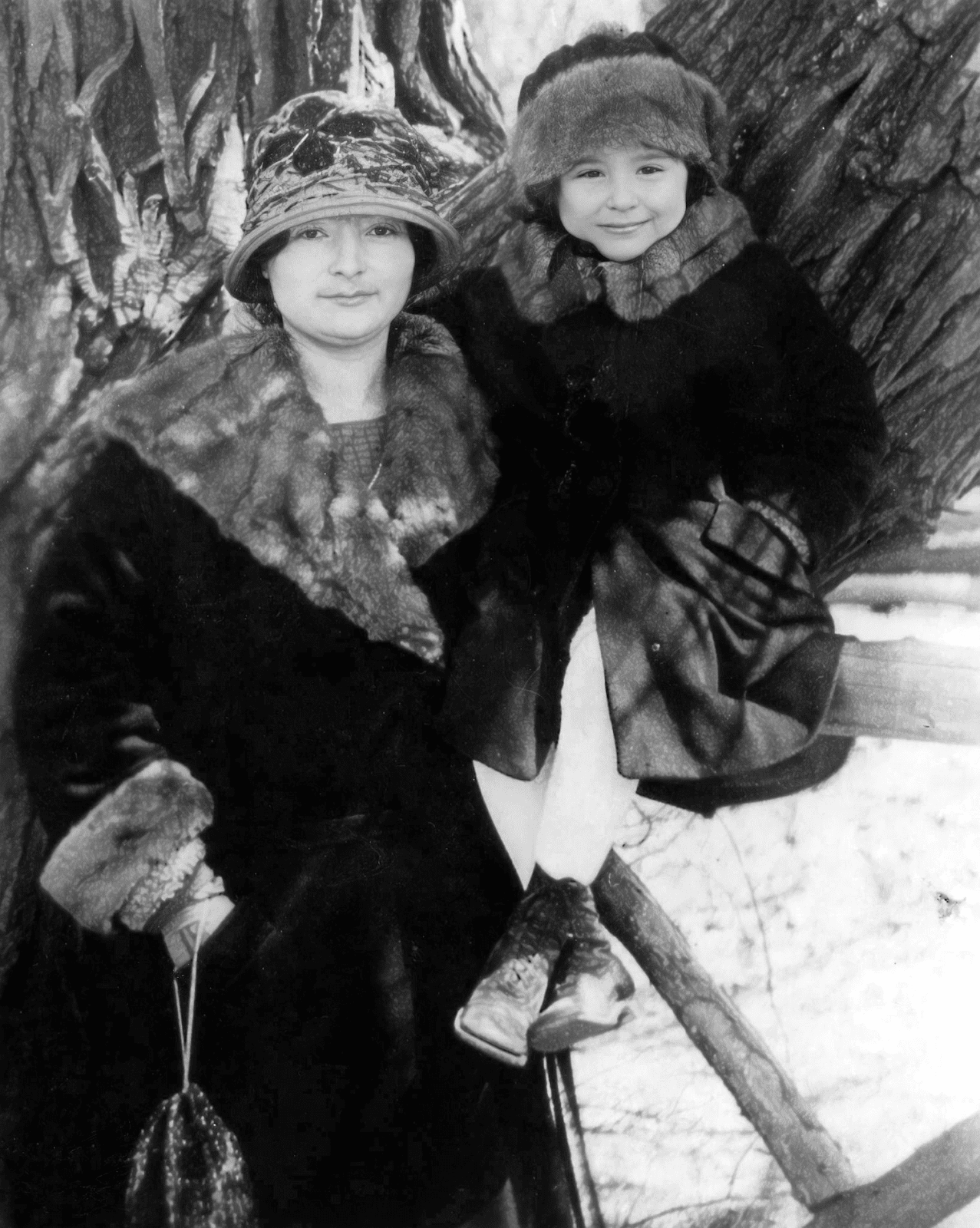
According to achievement publication, Gertrude was born at the end of World War I, namely on January 23, 1918. Her parents were immigrants from Eastern Europe. They left the old world when they were teenagers. Her father Robert was a Lithuanian Jew who was a dentist and came from a family of rabbis. Her mother, Bertha (Cohen) Elion, came from Poland, which was under Russian rule.
As a child, Gertrude’s parents struggled to make ends meet. Their family had to live in a small apartment next to her father’s hospital. With the arrival of her younger brother, the family moved to better housing in the Bronx. They were able to live there throughout the 20s until the financial crisis.
Her mother, in her 20s, no longer had as much time to look after her older daughter, so the girl was often with her grandfather, who had come to them from Europe. His death from stomach cancer in 1933, when she was 15, was a painful blow. The loss of a loved one and the inability to help him made the girl look for her future in the study of chemistry. Another shock for the family at that time was the financial crisis on Wall Street, which made the Elion family poor overnight.
School in the Bronx
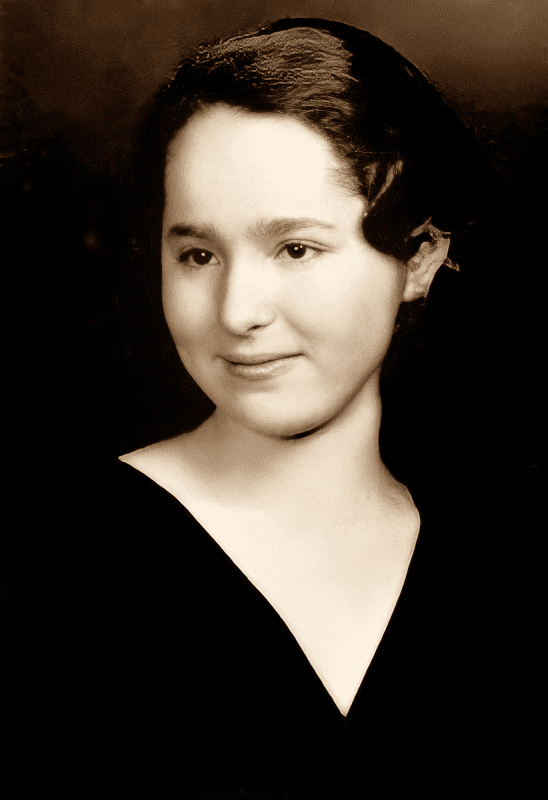
Gertrude’s desire to learn became apparent in her childhood. She loved to read (she just swallowed books) and was an excellent student at school. The future inventor graduated from the last grade at the age of 15. It was Walton High School in the Bronx. It was in the Jerome Park neighborhood, and until 1977, only girls studied there.
This educational institution was opened in 1923. The building, which is still called Walton High School, was built during the Great Depression in the US using the same set of blueprints as other schools.
Further education
The loss of most of her father’s savings limited Gertrude’s ability to find an educational institution where she could get an education. Her desire to learn was enormous. Yet, she was enrolled in Hunter College, a free college at the City University of New York, to study chemistry.
Her desire to study chemistry was connected with the hope of making her own contribution to the fight against cancer, which had killed her grandfather. Her brother Herbert chose to study engineering and physics. At the age of 19, Gertrude graduated from college with honors, received a bachelor’s degree in chemistry and began to look for further opportunities for study and work.
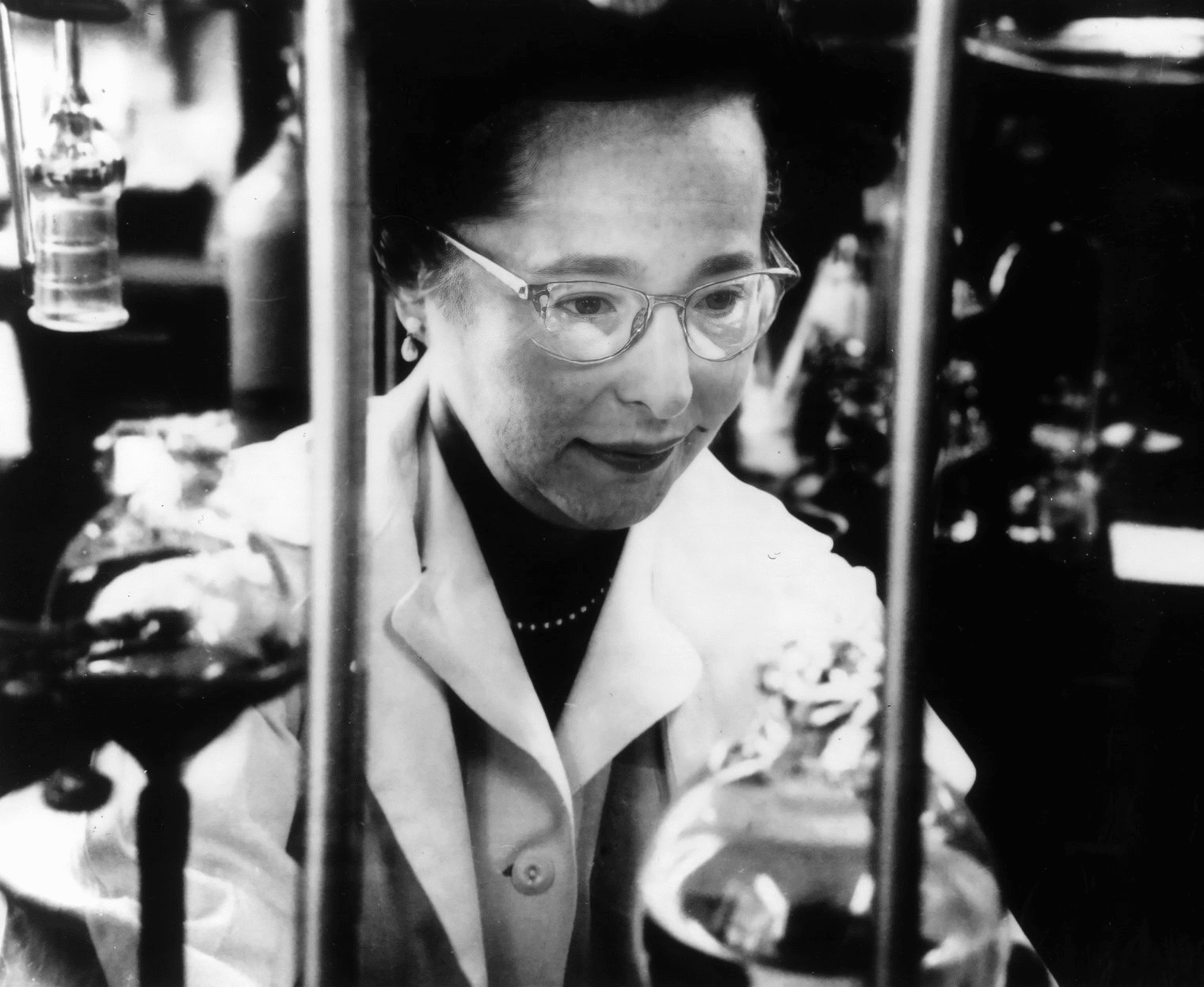
Lack of funds prevented her from going to graduate school. The fact that she was a woman closed the door to research laboratories. She was told that she met the requirements for the position but that she would “distract” the laboratory staff from their tasks. This did not stop the girl. She took on temporary jobs, including working as a food analyst in stores, a secretary for doctors and teaching in the city’s schools. Elion lived at home to save money for her studies.
She also had to take a free job as a lab assistant to gain practical experience. Eventually, Elion managed to save enough money to go to night school at New York University, where she earned her master’s degree.
Career and desire to learn
In 1941, Gertrude lost her boyfriend, whom she planned to marry. He died of an infectious disease. She never planned to marry again and had no children.
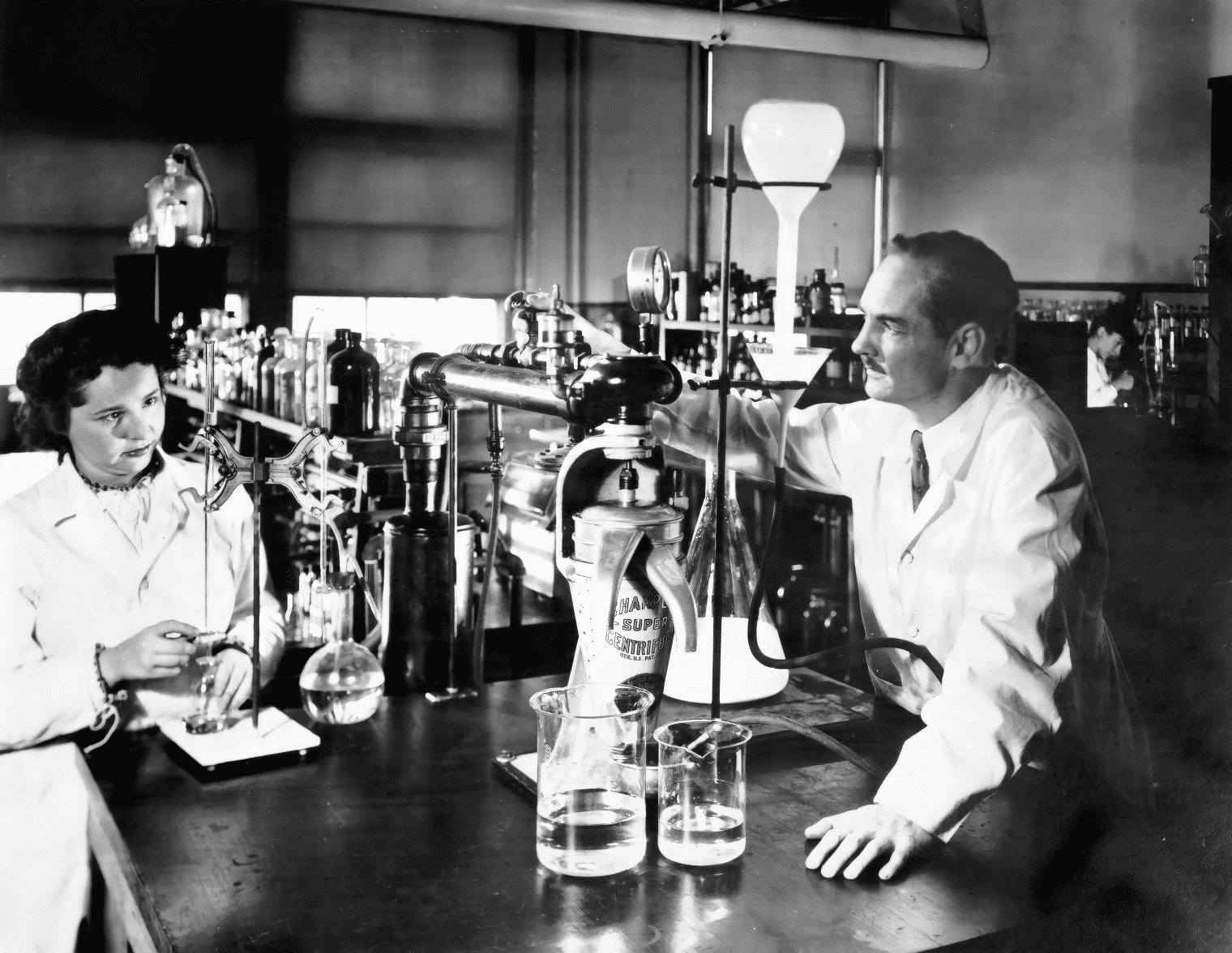
World War II opened up employment opportunities for Gertrude. She first worked for Johnson & Johnson and then for the pharmaceutical company Burroughs Wellcome. There she became an assistant to Dr. George Hitchings. At this time, she continued to live in the Bronx and commuted to the neighboring town of Tuckahoe every day to work. At the same time, Gertrude went to study at the Brooklyn Polytechnic Institute. There, she was able to obtain a PhD in chemistry.
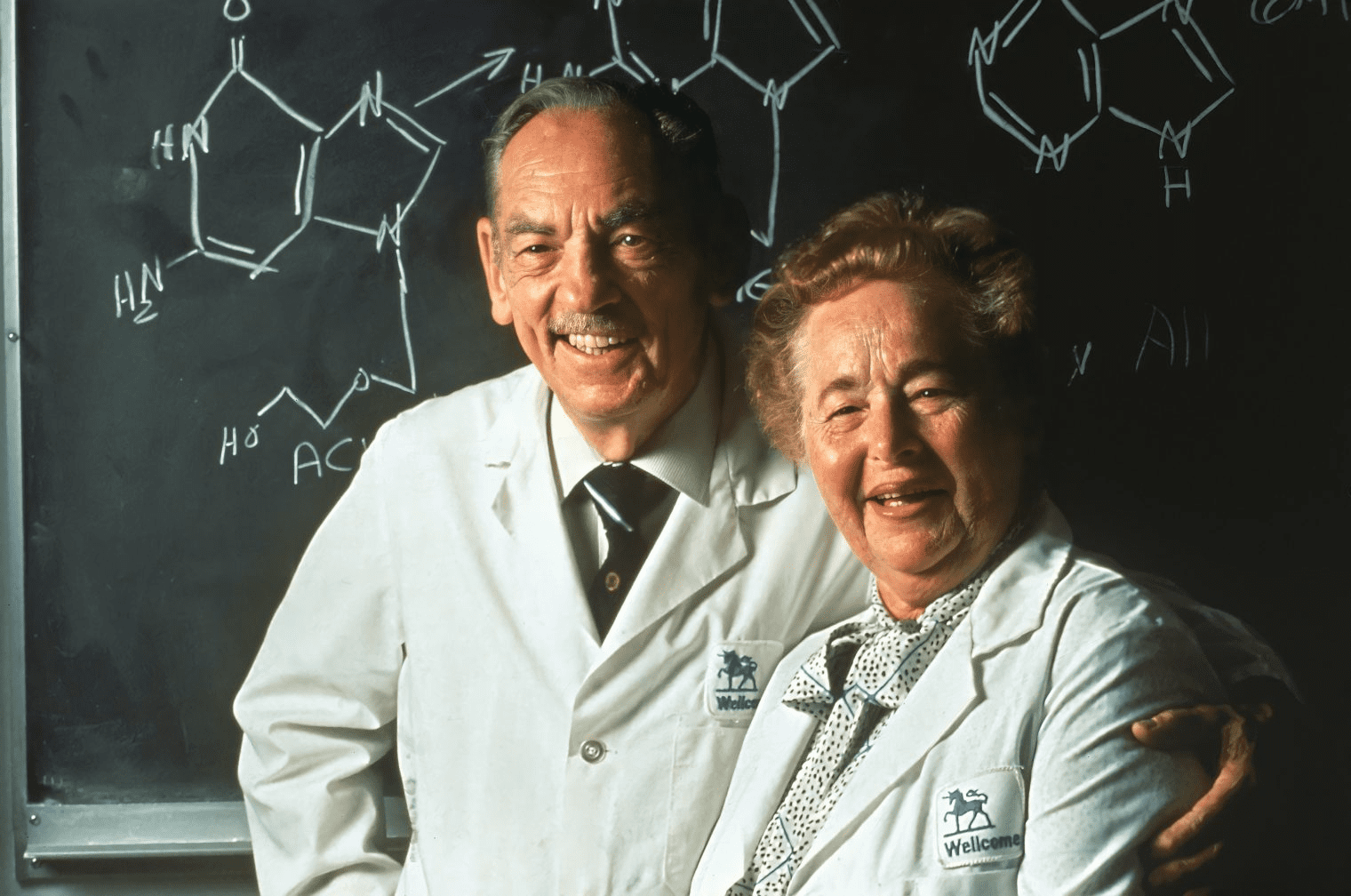
The woman realized that her scientific achievements required her to continue her studies and obtain a doctorate. Elion wanted to continue her education. But at some point, her professors in Brooklyn began to demand that she focus on her studies and quit her grueling job. This forced her to drop out of school. She was supported by Dr. Hitchings. He said that a doctorate was not essential to be successful in a research career.
Scientific achievements
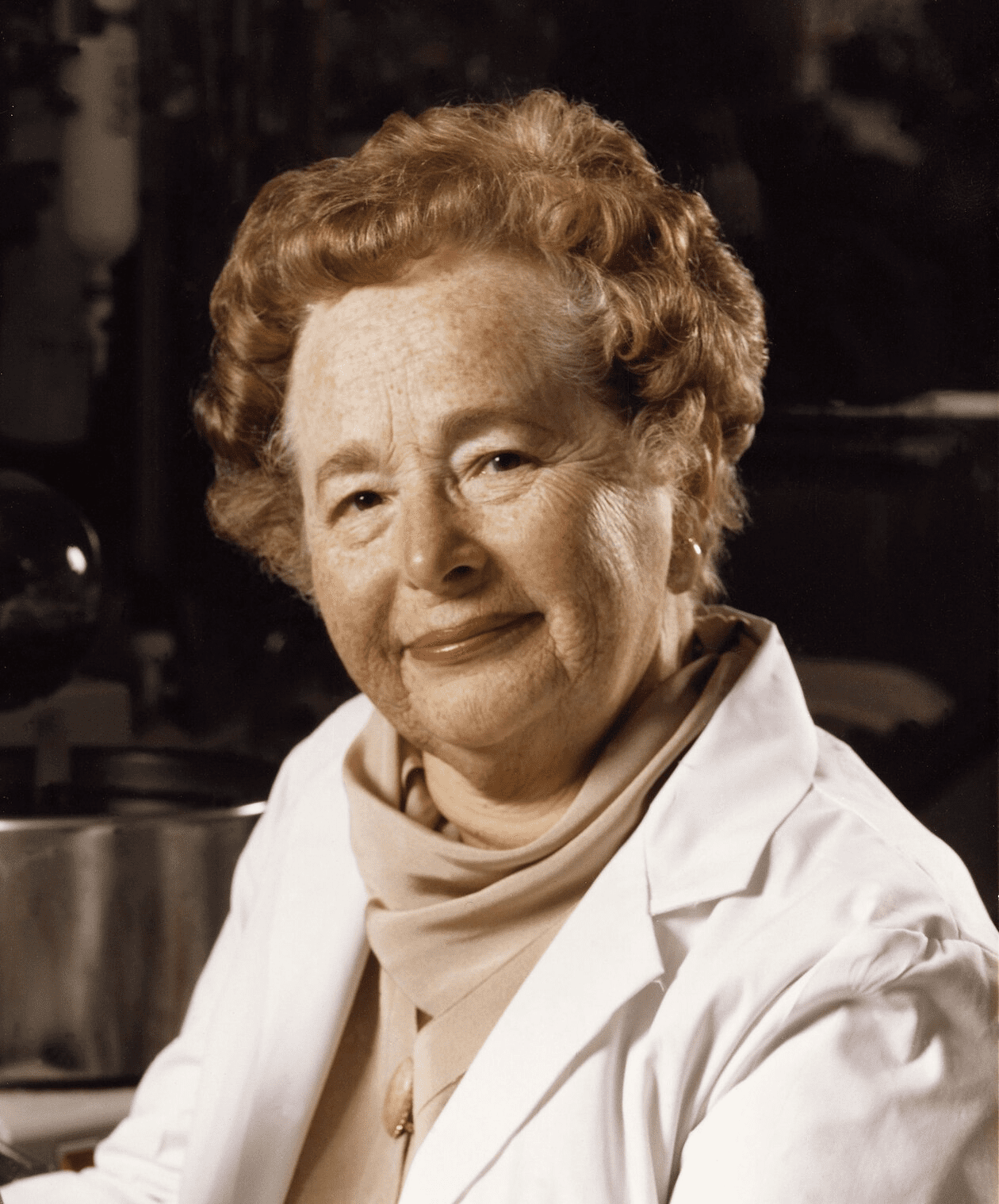
Dr. G. Hitchings suggested to Gertrude a new way to find a cure, which was based on a biological target. In his opinion, scientists could prevent the virus from multiplying by creating defective copies of its building blocks. When these copies became part of the microorganism, they blocked its activity and stopped further development.
Trudy initially worked with purines, which are nitrogen molecules or a type of nucleoside (DNA). In 1951, she created her first drug, 6-mercaptopurine, which treated children with acute lymphoblastic leukemia. This was the first step in the fight against cancer. A few years later, she created the antimalarial drug pyrimethamine.
After 1968, Gertrude actively researched the antiviral capabilities of a new compound she named acyclovir. This medicine was an excellent treatment for herpes. It was first presented in 1978 in Atlanta. The woman called her invention, which she had been working on for so many years, her “final jewel”. It was her last drug before she retired.
In total, together with her mentor, Gertrude has created medicines for the treatment of leukemia, malaria, gout, rheumatoid arthritis, organ rejection, bacterial infection and other diseases over 20 years of work.
Awards and performance results
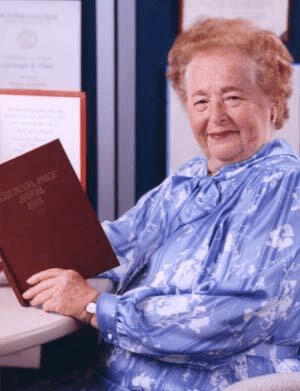
Gertrude retired in 1983. However, the woman still continued to come to the laboratory every day. She also advised young researchers. In the same year, she became the head of the American Association for Cancer Research. She worked as a consultant in the field of cancer research. She also taught at Duke University, where she trained students in tumor biochemistry and pharmacology.
In 1991, she received the National Medal of Science from George H.W. Bush for helping millions of people. In the same year, she was inducted into the National Inventors Hall of Fame.
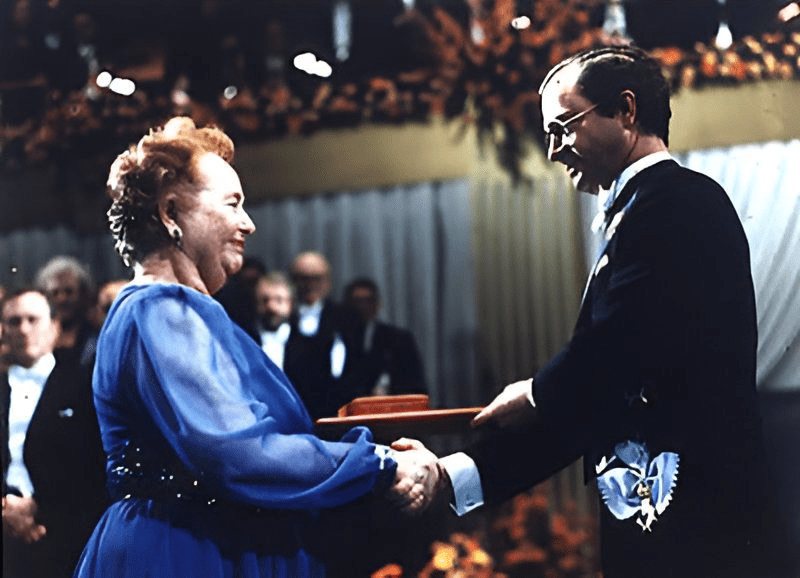
Her name appears on 45 patents. In 1988, she received the Nobel Prize in Physiology or Medicine, becoming the 10th woman to achieve this honor and the first woman to receive the award without a doctorate. She shared the award with her colleagues George Hitchings and Sir James Black.
This brilliant woman died in 1999 at the age of 81.