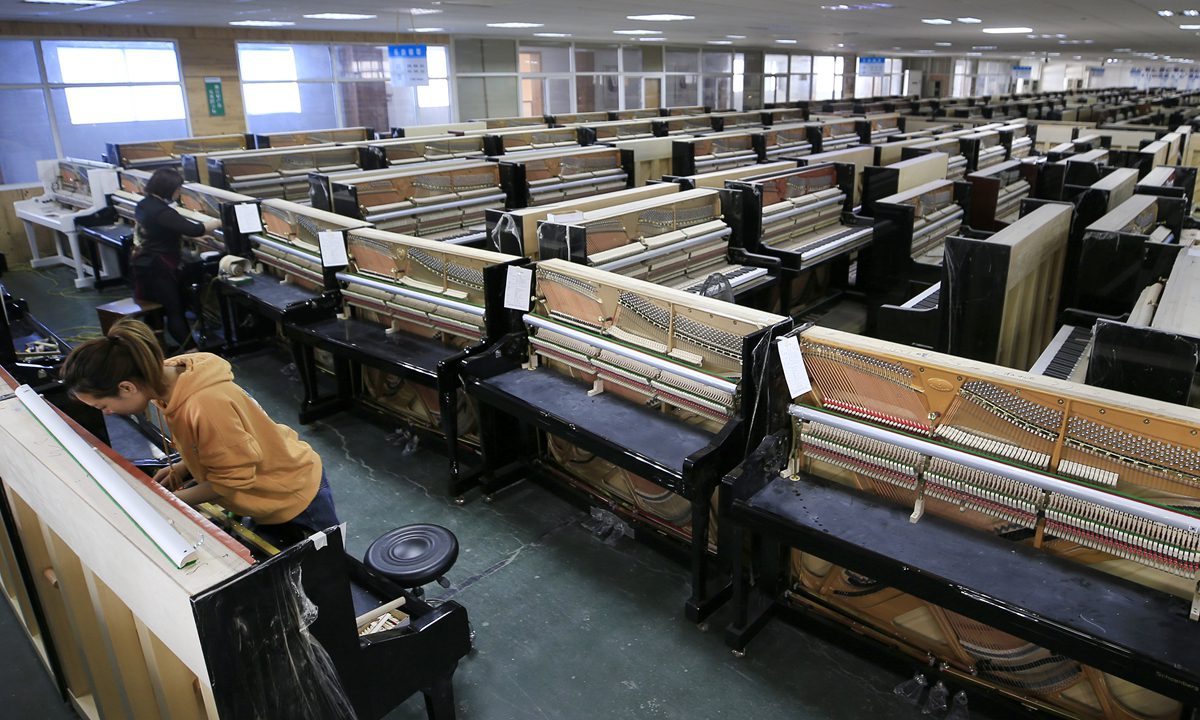

When we think of the modern Bronx, drugs, gangs, crime and depressed neighborhoods immediately come to mind. However, there were times when the Bronx was actively developing. The Jewish, Irish, Italian and German populations lived here and businesses were developed. This part of New York was also considered the world center of piano production. Can you believe it? Then, read about this on i-bronx.com.
The Bronx and the piano
As noted by gothamcenter.org, the Bronx resembled a sleepy countryside for many decades. There was a lot of greenery, people came here to relax and one could freely buy inexpensive land. Before its incorporation into New York, the Bronx consisted of small farms, mostly without manufacturing activities on its territory.
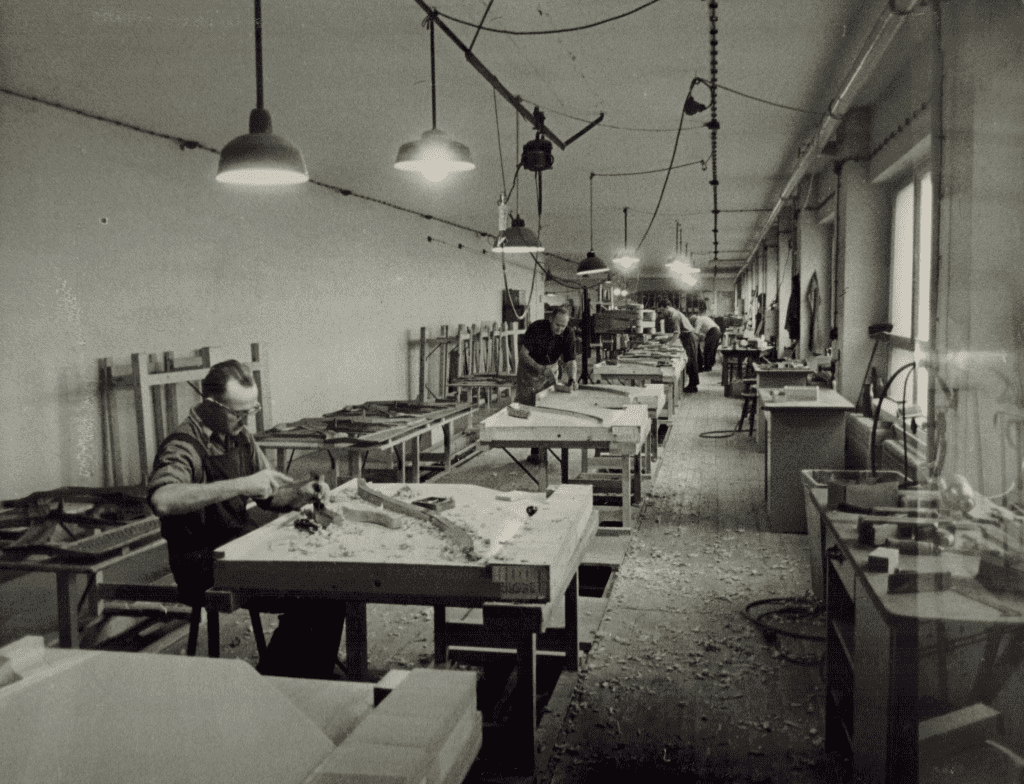
From the middle of the 19th century, German immigrants from the overcrowded Lower East Side began to settle in the open farmland of the South Bronx. They migrated to the suburbs and brought their crafts, skills and professions to transform this part of the city into a center of industry. Some of them opened businesses in the Bronx for the production of pianos, which were a popular and affordable instrument in American and European societies.
After the subway was built here (1904) and the Bronx was incorporated into New York (at the end of the 19th century), its population grew. From that time, this part of the city began to be rapidly built up with both residential buildings and industrial enterprises. Such construction activity has created densely populated urban areas.
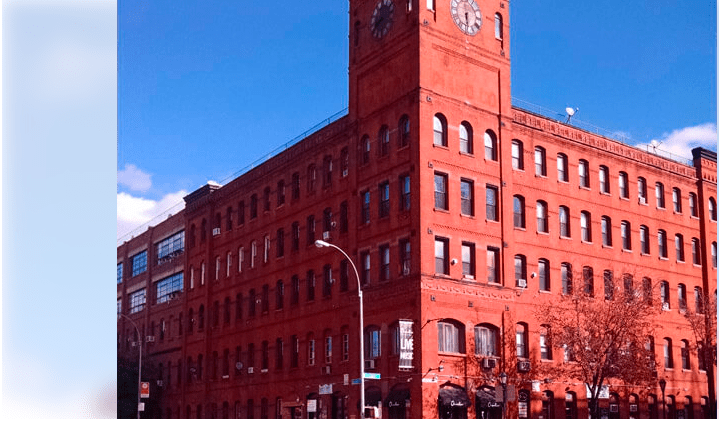
At the beginning of the 20th century, piano manufacturing companies the Estey Piano & Organ Company (located in the modern Clocktower Building), Beethoven Pianos, J.A. Schaff, Piano Strings, Kroeger Pianos and the Doll Piano Factory opened in the Bronx. In 1919, the number of piano factories reached 63 with more than 5,000 employees.
According to local historians, piano production flourished before and after World War I. The popularity of this musical instrument began to decline after the invention of the phonograph by Thomas Edison. In the 1870s, it began to spread across the country. That’s why some manufacturers stopped their activities or refocused on other areas of production.
The Estey Piano & Organ Company, which ceased operations in the 1970s, lasted the longest. It was the oldest and largest piano factory in the Bronx, which operated for almost a century.
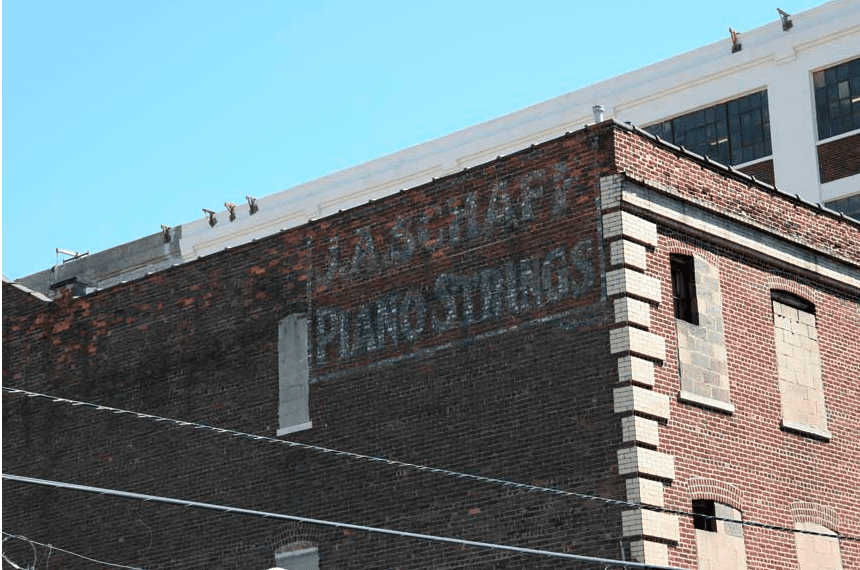
J.A. Schaff, Piano Strings company
J.A. Schaff, Piano Strings also worked in the Bronx. It was founded by entrepreneurs Gotthard and John A. Schaff. It opened in Chicago in 1861. The founder of the company, John A. Schaff was from Prussia. In the United States, he created a machine for winding strings and the bass string business was created. Since 1884, the company has mastered their production and Chicago has become the center of production for many major piano companies. The Schaff brothers were known for making high-quality, expensive pianos and their company had an excellent reputation.
It operated in Chicago for several decades but also opened several offices in New York. From 1900, the company began working in Manhattan. It made piano strings at 177 1/2 East 87th St. Only 8 workers worked on the strings, which was quite a few compared to the 22 workers in Chicago. Then, Schaff moved to East 133rd Street, at the corner of Willow Ave, in the Bronx. Based in New York, J.A. Schaff, Piano Strings has mastered the production of high quality upright pianos, grand pianos and classical pianos. One could find a successful line of pianos under the trademark Solotone.
Why was the piano popular among Jews in New York?
The first piano was invented and manufactured around the 1720s in Italy. Since then, it has been spread around the world and gaining more and more popularity. At the beginning of the 20th century, the New York newspaper Yiddishes Tageblatt wrote that Jews on the Lower East Side moved their pianos to their rooftops to celebrate the fall harvest festival of Sukkot. The piano, along with fruits and vegetables, was a symbol of wealth and well-being.
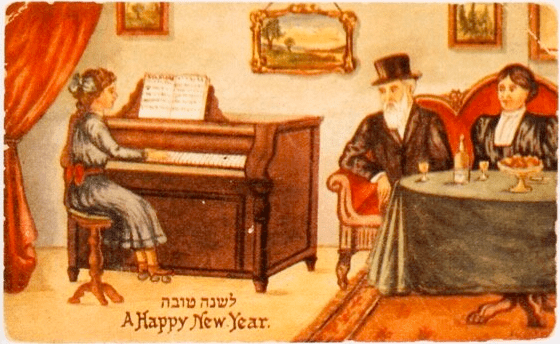
American Jews also used the tool to explore old and new social, religious, musical, economic and gender roles and practices. Every family could have an instrument, because there were many manufacturers. The production increased 6.2 times and prices were affordable. Cheap salon racks have become available for working people. In 1909, 364,545 pianos were sold. The number of these musical instruments in the homes of Americans exceeded the number of bathtubs. Pianos covered with napkins stood in shops and in neighbors’ windows. They beckoned with their high status and symbolized leisure. The Yiddishes Tageblatt wrote that pianos were mostly put in gloomy rooms in New York. The Yiddish Daily Forward magazine emphasized that children who play (slam) the piano have become a real madness. There were many instruments and people were willing to learn to play them. It was difficult to find a teacher. There was also a demand for musicians in theaters, cafes and restaurants who wanted a person who could play this instrument. Jewish immigrant mothers wanted their daughters to be better prepared for marriage, so they looked for a way to teach them to play the piano. Women who played the piano had an advantage in marriage over those who could not. ‘Playing the piano was recorded as an asset in the little notebooks of the matchmakers’. If in Europe knowledge of the Torah was an advantage when getting married, in the USA it was the ability to play the piano.
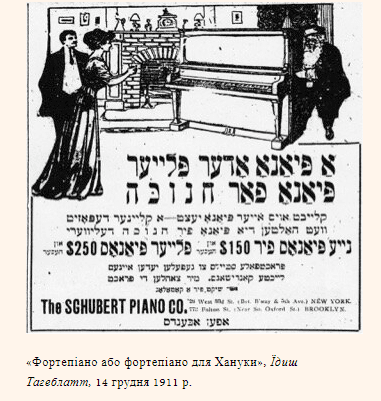
Although the piano was a symbol of leisure, Jews also associated it with hard work. The cost of the tool was $200-300. In 1902, a typical Jewish family had to pay twenty-five cents for a piano lesson, which was 2% of their weekly earnings. If we compare this with other services, it was equivalent to an entire week’s gas bill and almost half of the family’s daily food budget.
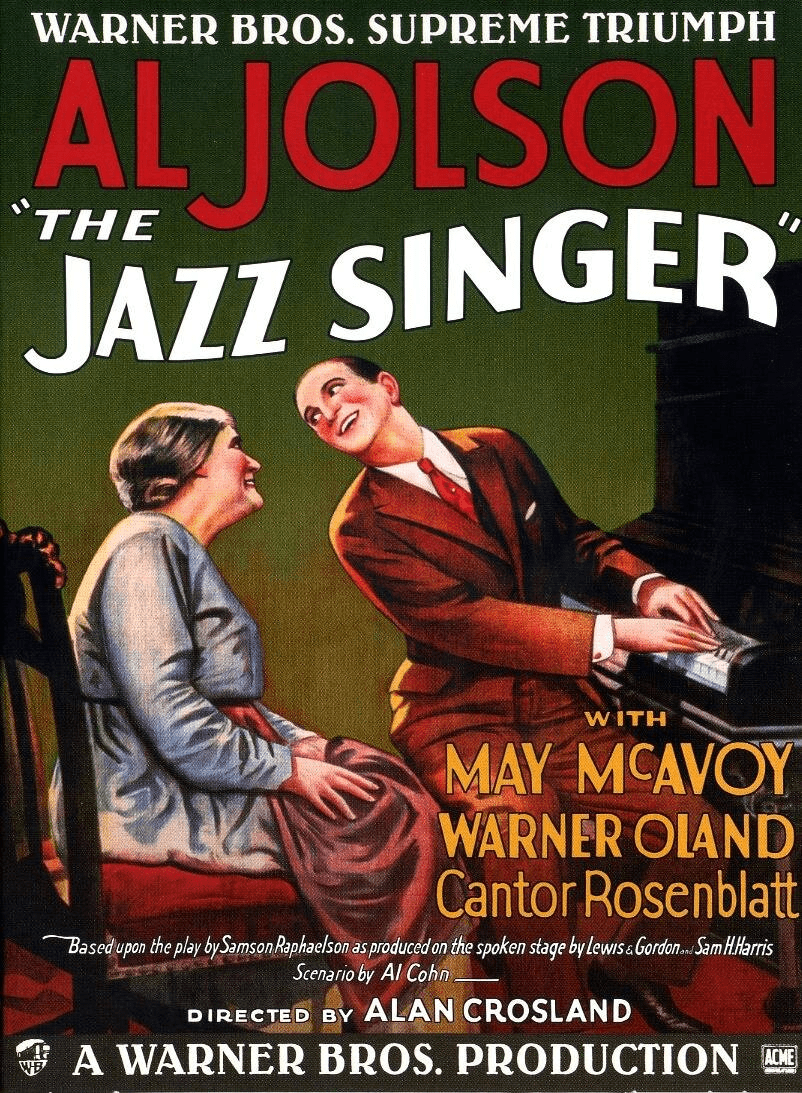
The theme of the piano found its embodiment in the cinema as well. The 1927 film The Jazz Singer depicts a grand piano played by Jakie Rabinowitz for his mother. He sings her a song about moving to the Bronx where the grass is green and he’ll buy her a black dress.
Piano District as a residential complex
The history of the piano business in the Bronx is interesting and instructive. In 2016, a 25-story complex of luxury residential towers was planned to be built on the site of the area where piano manufacturers once concentrated. It should be called the Piano District. The address is Mott Haven, Bronx Kill, 2401 Third Avenue and 101 Lincoln Avenue. Companies Chetrit Group and Somerset Partners planned to buy this plot of land and to develop the historic past of this area to build residential buildings with small shops on the first floors.