
Some people associate hip-hop with expressive street dances. For others, it is a genre of music. There are also those who imagine bright graffiti when they hear this term. There is the truth in all thoughts. Hip-hop is a kind of culture that originated in the 1970s on American streets and has several directions. Read about the creation of this style in the poorest district of New York and what does hip-hop in the Bronx mean on i-bronx.
The uprise of hip-hop
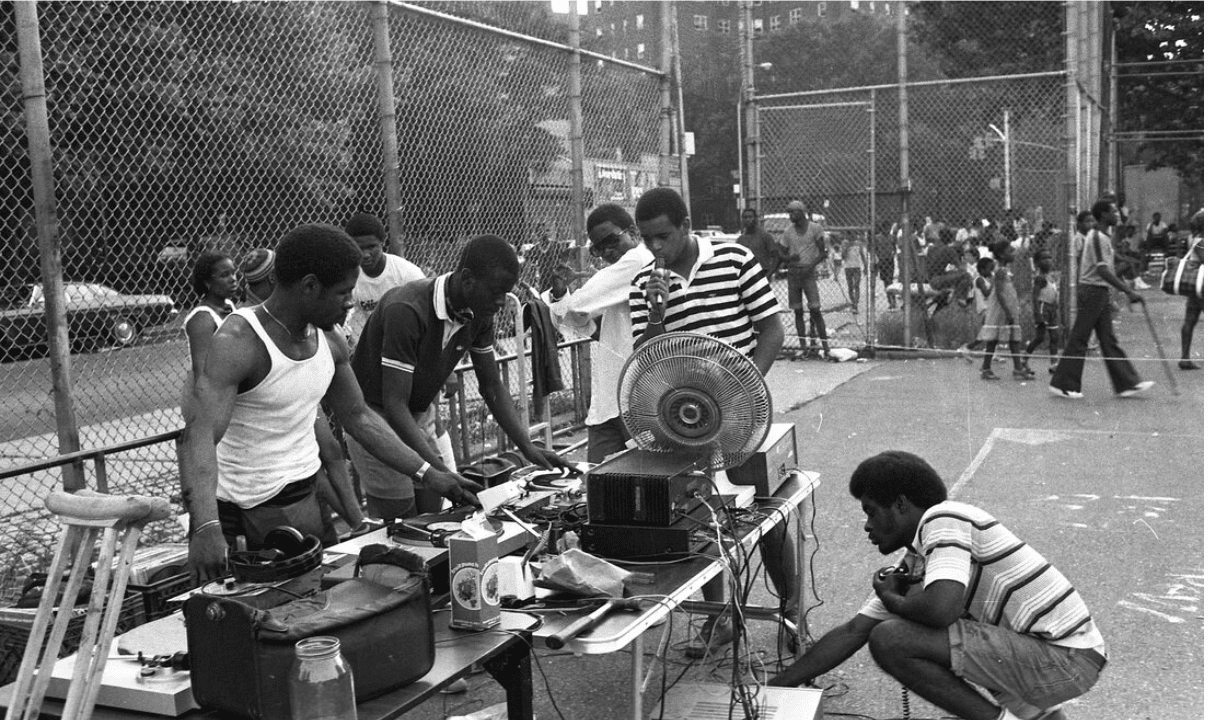
In the 1970s, the Bronx was dominated by poverty, drugs and outright gangsterism. After a series of regular murders and aggressive clashes between local gangs, a temporary truce was concluded. It paved the way for street parties. Before that, people were afraid to go anywhere at night as the level of street violence in the Bronx was sky-high.
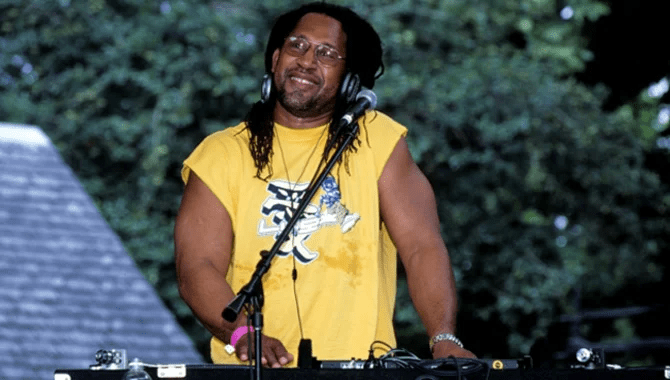
At one such party, 18-year-old Jamaican-born Clive Campbell, who called himself DJ Kool Herc, sat behind the console at his younger sister Cindy’s school party. Then, an interesting idea came to his mind. He decided to stretch a musical beat between verses to keep the dance set going. The experiment turned out to be successful. Clive selected the tracks and made different rhythmic options. The party was more than successful. It happened on August 11, 1973 on Sedgwick Avenue in the Morris Heights neighborhood of the Bronx. Therefore, this date and this place is considered the starting point of hip-hop by music historians. Read more about the first hip-hop DJ in the article.
Why the Bronx?
Why does one of the richest parts of American culture come from the poorest and most gang-ridden part of New York? At the time of hip-hop’s creation, the Bronx had the highest poverty rate not only in New York City but also among all 62 counties in New York State.
‘Hip-hop rose from the ashes of a borough ablaze with poverty, urban decay and gang violence. It was music that had the sound of a city in collapse, but also had an air of defiance,’ – said Mark Naison, a history professor at Fordham University in the Bronx.
The parties and various forms of hip-hop expression became an air hole for local residents and a kind of escape from the difficulties of everyday life.
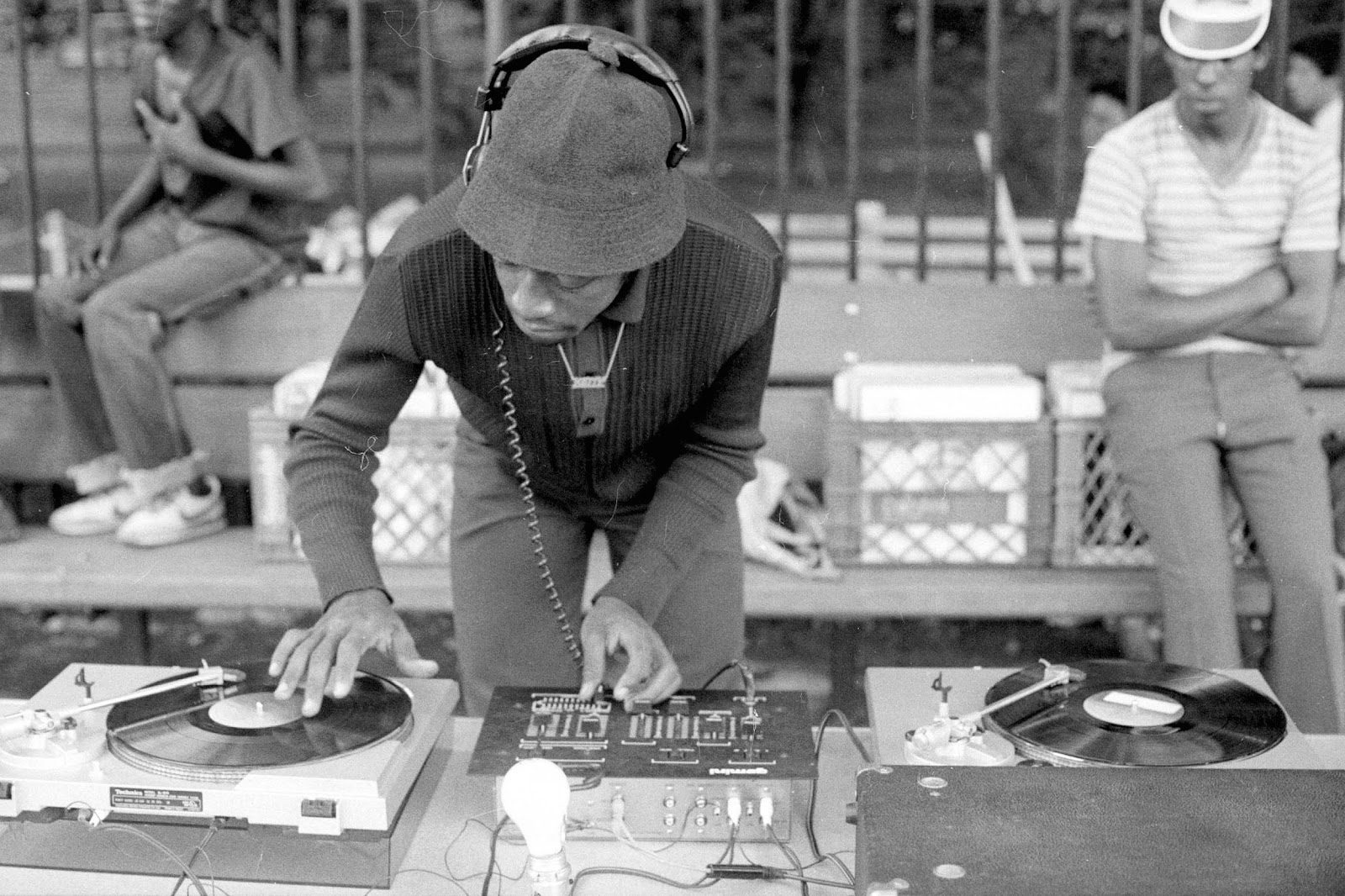
The Bronx was a hotbed of poverty, drugs and gang culture. At the same time, it was a center of defiance, struggle and the basic values of freedom and the right to life. Hip-hop artists have tried to express this contradiction through a powerful mixture of anger, courage, inspiration, hope and despair.
‘You want to cut our art programs? We’re going to turn the whole city into a canvas. You want to cut our music programs? We’re going to turn turntables into instruments. You want to silence our communities? Then, we’re going to grab these microphones and use our voices,’ – said supporters of the new musical movement.
The subway cars heading to Manhattan were all covered in graffiti. When New York politicians scorned the Bronx and considered it unworthy of investment and government attention, hip-hoppers were loudly asserting themselves. It was a way to make them feel important. They saw New York and the passing trains as a billboard on which their names were written. They felt like they mean something.
‘The world was not flowers and butterflies and sunshine, especially if you were living in the Fort Apache section of the South Bronx,’ – said graffiti artist Edward Jamison.
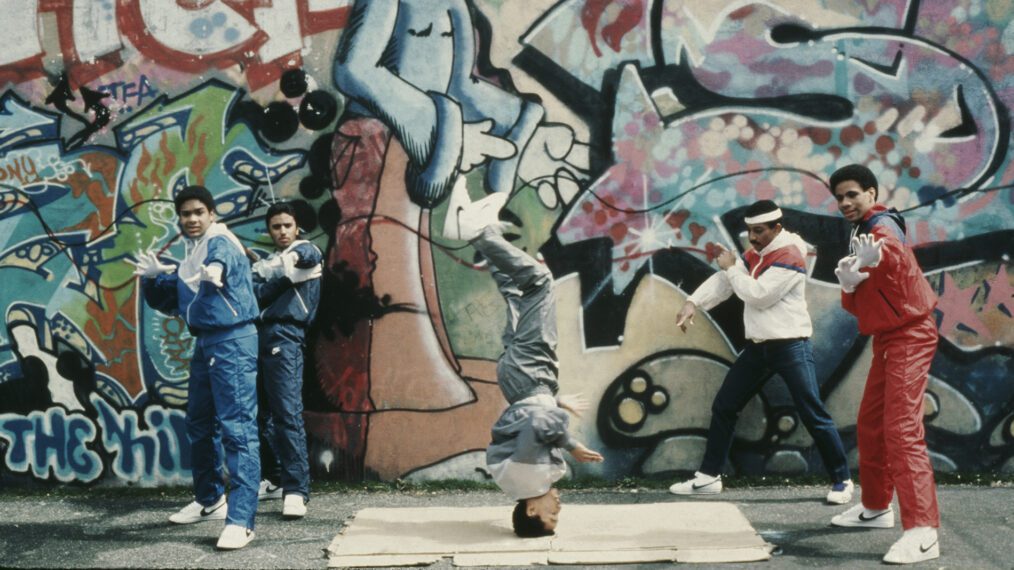
Hip-hop was an expression of life and struggle, synonymous with hardship and suffering, as well as courage, resilience and creativity.
Hip-hop is more than just music
Hip-hop covers 4 main elements:
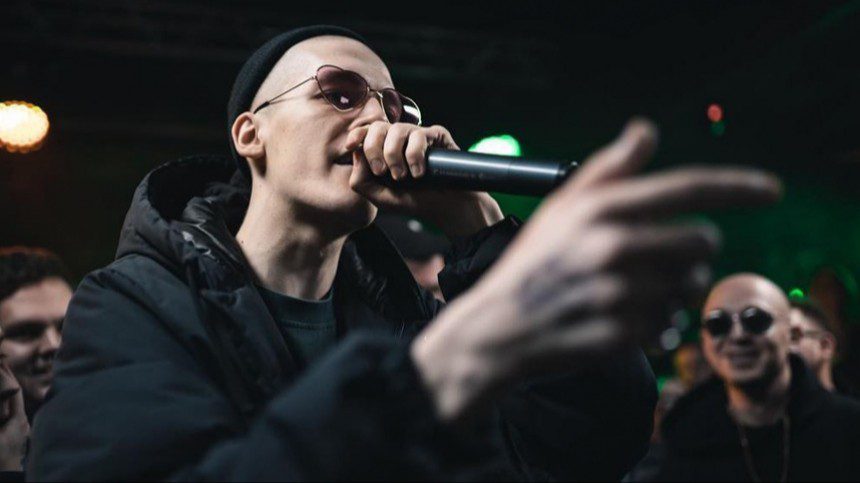
- Emceein.
This concept unites emcees (MCs) and rappers. An emcee is a kind of conductor between a certain culture and the public. The earliest forms of emceeing have existed since ancient times. They were popular among priests, philosophers, mages and prophets. In hip-hop, emcees’ main goal is to rock the crowd. Everyone has their own methods. Some use mostly recitative, others tell interesting stories or prefer to combine the power of the voice with musical beats.
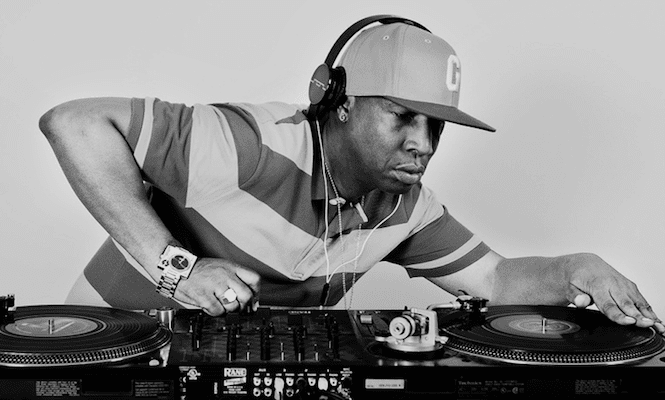
- DJing.
In addition to the traditional skills of disc jockeys, hip-hop DJs also use cutting, mixing and scratching.
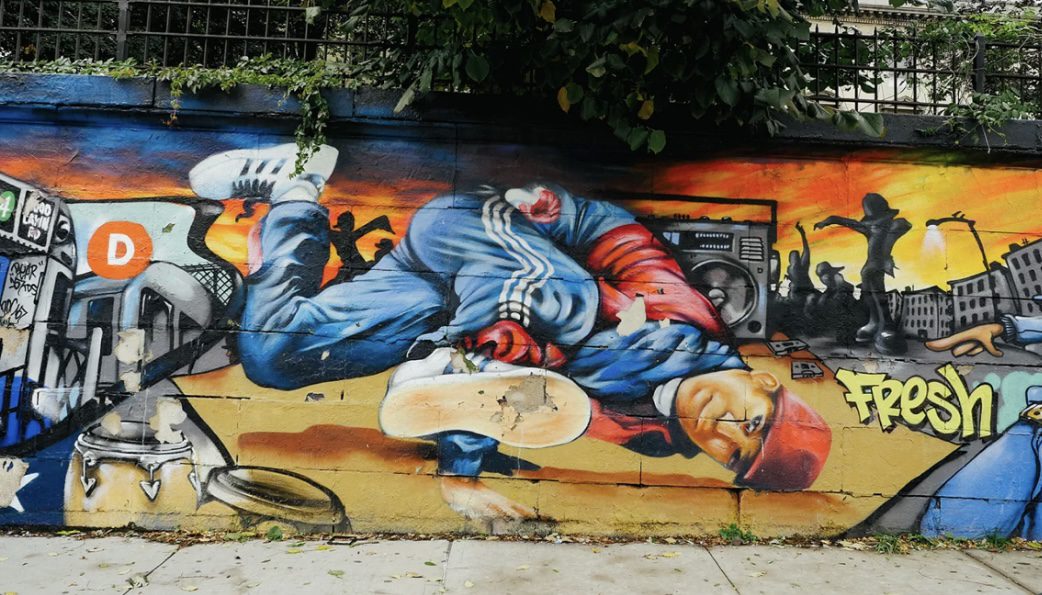
- Graffiti.
This word came from Italian. Graffio means a scratch. Thus, graffiti is a combination of classic drawing with scratches and splashes. This name was given to a new type of graphic self-expression at the time of the hip-hop creation. Then, any public and private property became objects of creativity. To express social protest, hip-hoppers created graffiti everywhere: on the walls, cars, subway cars, bridges and roads.
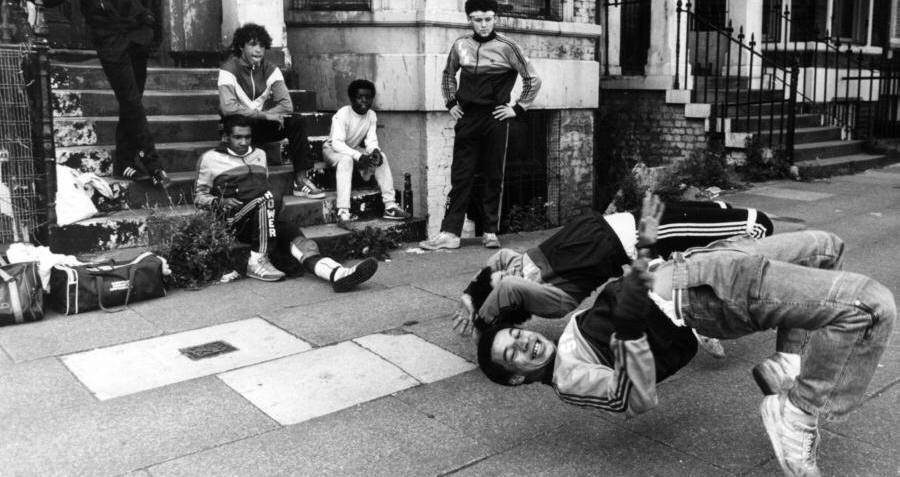
- Breaking.
It is also called break dancing or b-boying. At first, it was a free style of street dance with certain acrobatic elements. Now, it is a dance style with certain requirements and characteristic features.
Sometimes, one more element is added to these four. Without it, the hip-hop culture would not be balanced and complete. This is street knowledge. It means a certain wisdom of the inhabitants of a big city, which is passed down through the generations and gives an awareness of how to survive in modern street life.
The first hip-hoppers from the Bronx
DJs who promoted hip-hop culture in the early years included Kool Herc and Grandmaster Flash. Each of them gathered crowds at their parties. They mixed R&B, soul, funk and salsa, creating perfect tracks for break dancing.
Another early leader in hip-hop was Bronx-born Angelo DJ Tony Tone King, a founding member of the legendary Cold Crush Brothers.
Soon, new MCs appeared in the Bronx, such as Melle Mel, Furious Five and KRS-One. At first, many were wary of the new musical trend. In 1976, the Disco Fever club opened in the Bronx. Grandmaster Flash began his career there. In 1982, this club hosted the first performance of Run-D.M.C.
Eventually, the music industry caught on. Constant parties, the exchange of bootleg tapes and films that highlighted the new subculture (Wild Style and Style Wars) quickly made hip-hop popular in the Bronx, in New York and all over the world
As early as 1981, Lincoln Center hosted a breakdance battle featuring Bronx B-boys Rock Steady Crew. The New York Times wrote about this event.
From gang parties to the Bronx Hip Hop Museum
In the 1980s, hip-hop continues to be popularized by America. In those days, Slick Rick, T La Rock and Ultramagnetic MCs became real rap stars.
Another star of the 1980s is DJ Afrika Bambaataa. He was one of the first to start organizing hip-hop parties and break-dancing competitions in the Bronx. He masterfully practiced with the remote control. His debut as a producer came with the band Soulsonic Force in 1980. They released the single Zulu Nation Throw Down. Lance Taylor, who performed under the pseudonym Afrika Bambaataa, was called the godfather of hip-hop culture. His goal was to attract street kids to hip-hop and pull good guys out of gangs for a bright future. He succeeded. Lance Taylor created several groups and projects, actively promoted young talented rappers and became the organizer of the first hip-hop tour outside America in 1982. Read the biography of Afrika Bambaataa in the article.
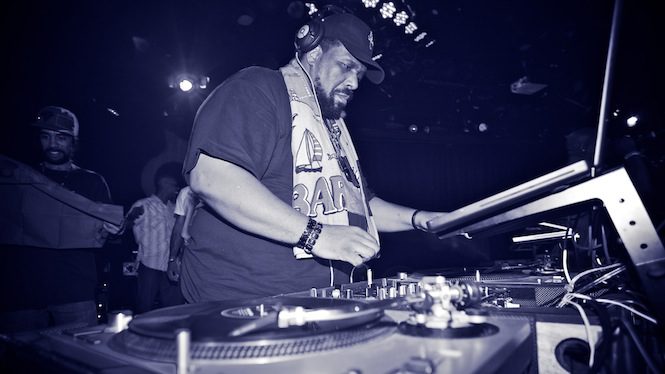
In the 1990s, Bronx MCs began to pay more attention not so much to musical sampling, but to sharp content and wordplay. This era is associated with the following hip-hop names: DITC (Diggin’ in the Crates), Diamond D, Fat Joe, Showbiz and A.G. and Lord Finesse.
The hip-hop stardom of the Bronx continues with artists like D-Nice, Fat Joe, Kid Capri, Cardi B, A Boogie Wit da Hoodie and Ice Spice.
Hip-hop allowed the voice of the poor and working class to become mainstream. Today, it remains one of the highest-grossing musical genres. In 2025, it is planned to open the Hip-Hop Museum in the Bronx.
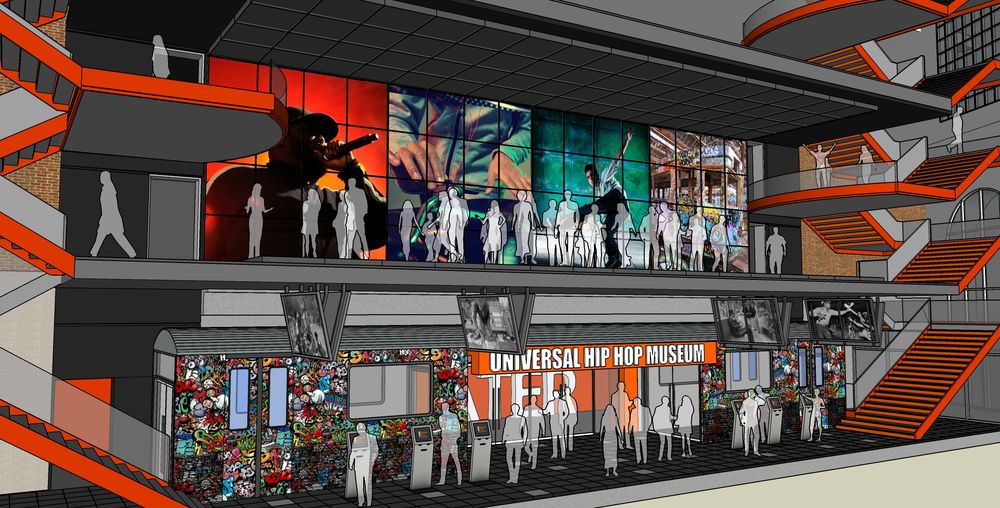
‘We knew it was important because the Bronx is where hip-hop started. It’s crazy to think of how hip-hop — which has such an influence on pop culture, advertising, politics — doesn’t have a place to call home… Hip-hop has touched every aspect of modern society and it’s important for the community to know that it was created by people who looked just like them,’ – says Rocky Bucano, the author of the project.
Today, some temporary exhibitions can be seen in the Bronx Terminal Market.