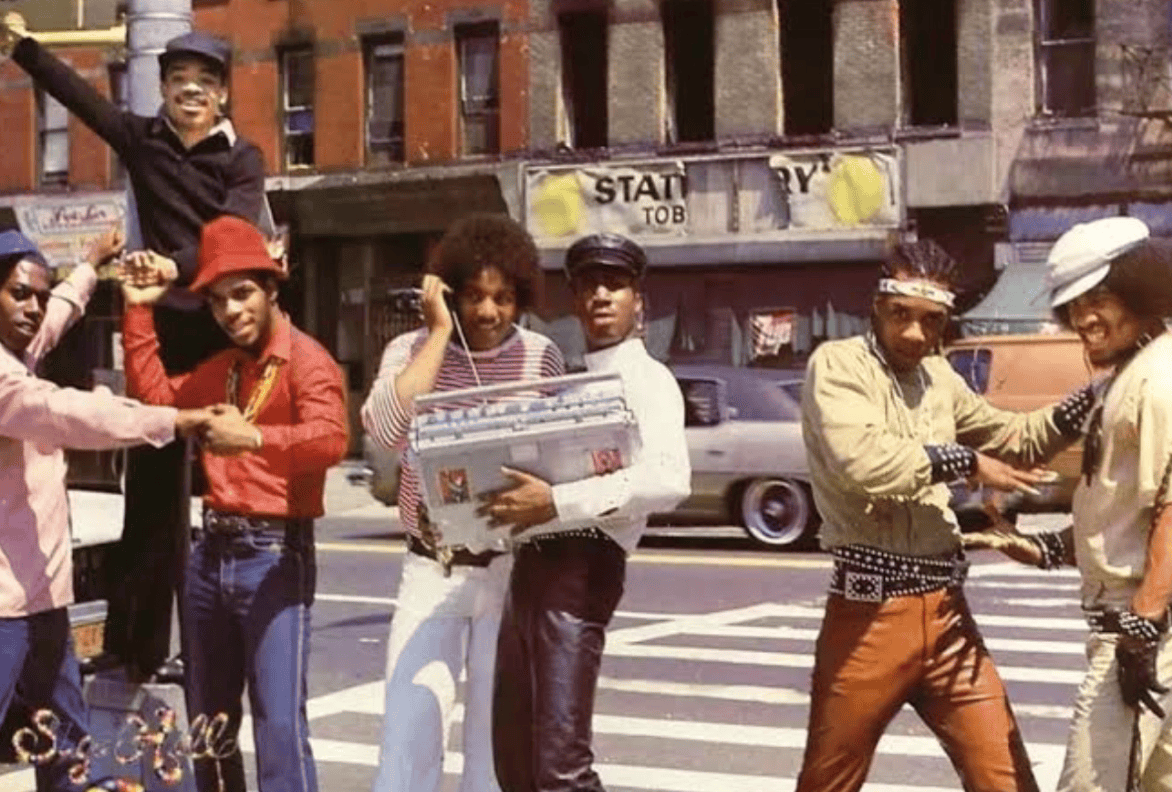

The Bronx has gone down in history as the birthplace of hip-hop, but its rich musical culture began taking shape long before the first DJs and b-boys hit the scene. In the 1930s–1960s, the borough became a unique cultural crossroads where jazz, doo-wop, soul, and Latin rhythms echoed through streets, clubs, and schoolyards. In this article on i-bronx.com, we explore how the vibrant musical ecosystem of Morrisania,
Hunts Point, and the South Bronx nurtured a generation of legendary performers, why multiculturalism served as the driving force of the local scene, and how this musical heritage paved the way for the rise of hip-hop.
Morrisania as a Multicultural Incubator: Peaceful Coexistence and the Roots of a New Sound
In the 1930s, Morrisania became one of the first NYC neighborhoods to see a massive influx of African American families. Seeking better living conditions, larger apartments, and safer streets, migrants from Harlem found a new home here. Landlords openly posted ads reading, “We rent to select colored families.”
What made the situation unique was that integration took place without significant racial violence or white flight—a rarity in America at the time. A major factor was the presence of Eastern European Jewish socialists and union members living in the area. Their anti-racist political views helped foster an atmosphere of tolerance.
As a result, African American, Caribbean, and Puerto Rican traditions converged on the very same streets. This unprecedented mix of cultures proved to be the ideal breeding ground for swapping musical ideas.
In the post-war years, the streets of the Bronx resonated with the harmonies of doo-wop. The genre required no expensive instruments—just raw talent and a few friends. Music was created in hallway doorways, on stoops, and on street corners.
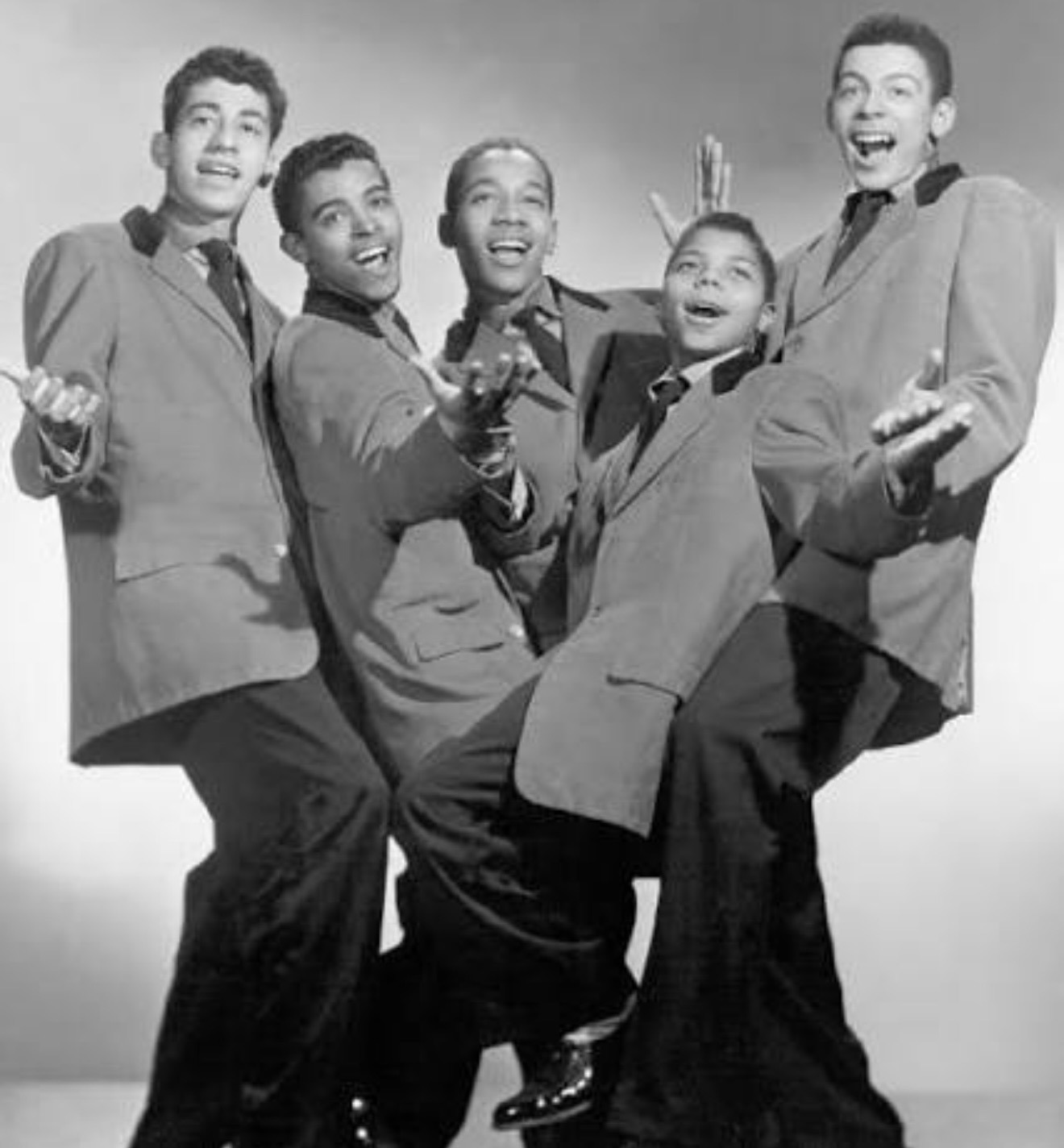
Doo-wop became the shared language of working-class youth, transcending racial and ethnic lines. While adults often built walls of prejudice, teenagers joined forces to form groups.
- The Jewish Community Center (on 169th Street).
It served as a safe haven for integrated rehearsals. Director Sarah Ginsburg allowed integrated groups to practice in the basement under the guise of “musicology classes” to avoid police attention.
- Morris High School.
An open music workshop led by Ann Leibowitz transformed the school auditorium into an informal conservatory. It was here that groups like The Chords honed their skills.
- St. Anthony of Padua Catholic School.
It launched the careers of many young artists, giving birth to the legendary female group The Chantels, whose 1957 hit “Maybe” became the first million-selling single by a female vocal group.
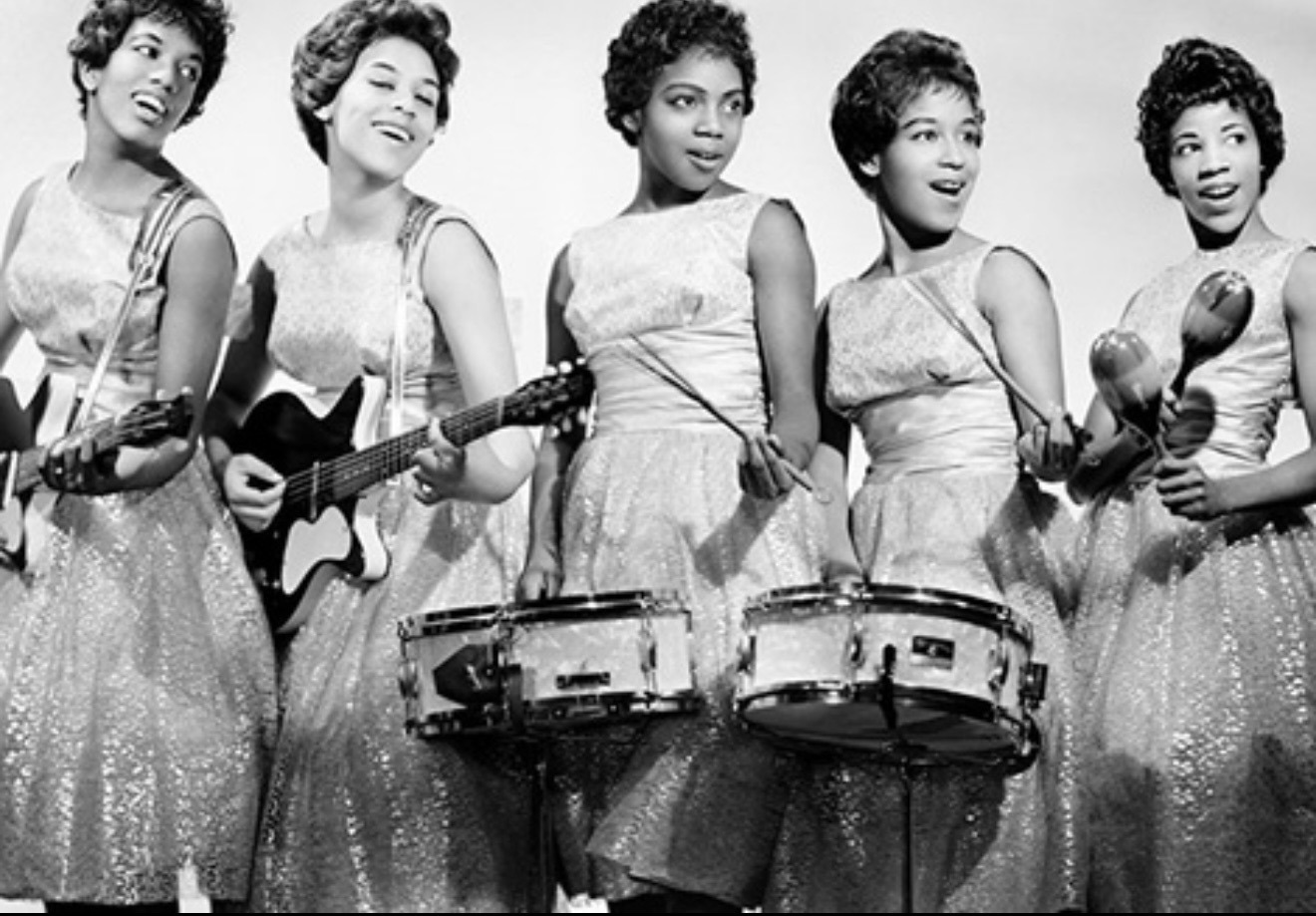
“Black music filtered through an Italian neighborhood”—that’s how singer Dion DiMucci described this unique cultural symbiosis.
“The Harlem of the Bronx” and the Golden Age of Jazz: Legendary Clubs and the Birth of Bebop
By the 1940s, Morrisania had earned the unofficial title of “The Harlem of the Bronx.” The neighborhood was rapidly evolving into one of New York City’s premier musical hubs outside Manhattan. Musicians who would soon achieve worldwide fame performed here, while intimate clubs became the birthing grounds for new musical styles.
One of the most vital venues was Club 845 at 845 Prospect Avenue, widely considered an epicenter of early bebop. Thelonious Monk, Charlie Parker, Miles Davis, and Dizzy Gillespie all graced its stage. For these artists, these weren’t just routine gigs; it was in venues like this that the new sound of jazz was forged—far more complex, faster, and bolder than the popular swing of the previous decade.
Another chapter of Bronx music history was written at the Blue Morocco on Boston Road, opened in 1956 by singer Sylvia Vanderpool. The club became a crossroads where African American and Latin musical traditions blended seamlessly.
Another landmark location was Hunts Point Palace in Hunts Point. Dubbed “The Apollo of the Bronx,” it drew direct parallels to the iconic Apollo Theater in Harlem.
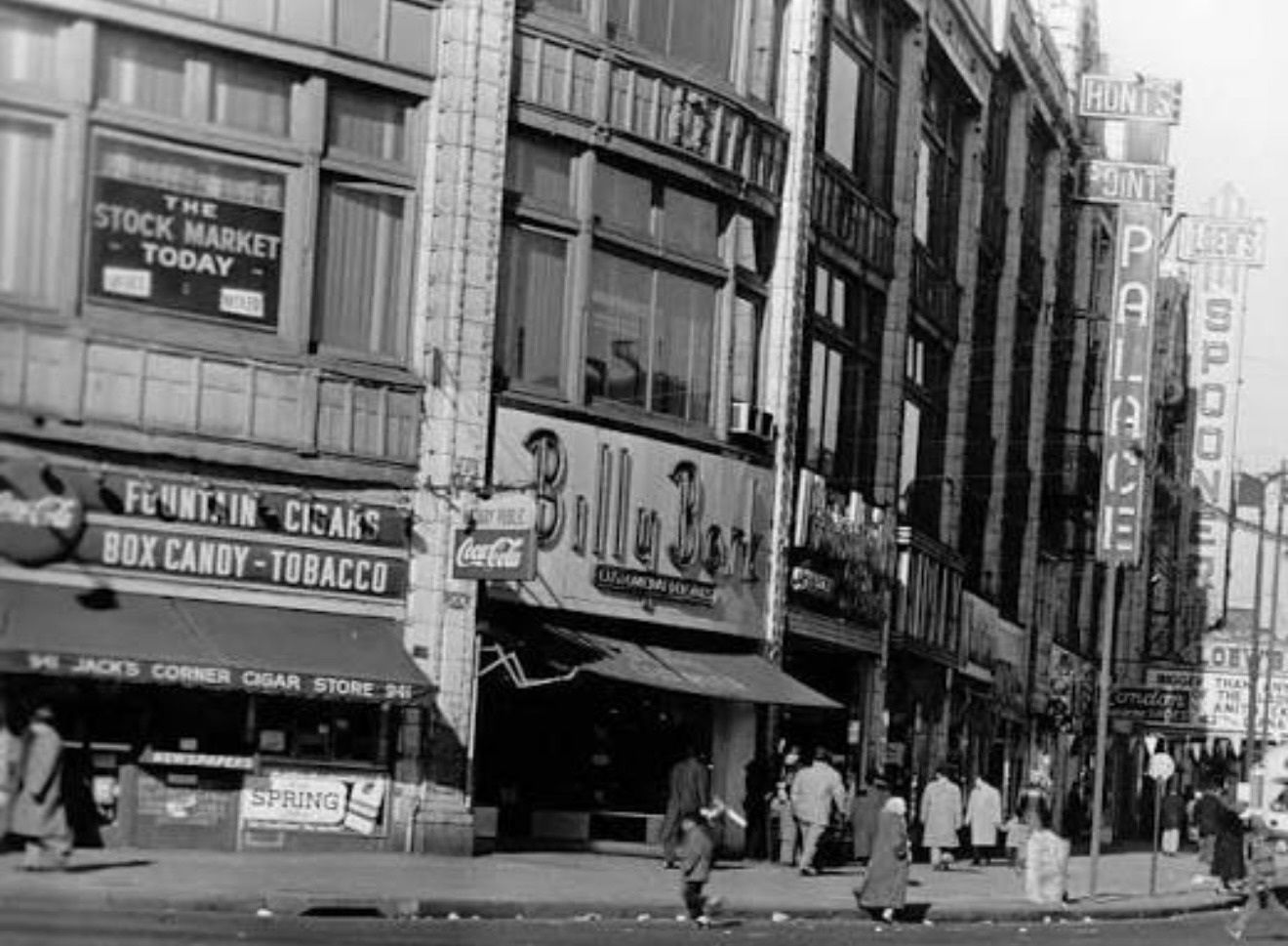
The scale of its concerts lived up to the billing. For New Year’s Eve in 1953, the lineup featured Sonny Till, Thelonious Monk, and Tito Rodríguez sharing a single stage.
For the Bronx of that era, these clubs represented far more than nightlife. They were melting pots for different musical traditions and creative laboratories in their own right. Here, jazz collided with Latin music, giving rise to rhythms that would later lead to funk and other groundbreaking genres.
El Condado de la Salsa: How the South Bronx Became the Global Capital of Latin Rhythms
While Manhattan had its legendary Palladium, the South Bronx carved out a musical realm all its own—El Condado de la Salsa, or “The Borough of Salsa.” Its emergence was directly tied to post-WWII New York history, as thousands of Puerto Ricans moved to the city, turning the South Bronx into the beating heart of the Puerto Rican community.
In the late 1940s and throughout the 1950s and 1960s, Melrose, Mott Haven, and Longwood pulsed to a Latin beat. Afro-Cuban rhythms—son, mambo, cha-cha-chá—met NYC street culture. Traditional Caribbean sounds became faster, harder-hitting, and distinctly urban. Out of this environment emerged the signature sound the world would come to know as salsa.
One of the most famous epicenters of the Latin music scene was the Tropicana Club on Westchester Avenue, featuring giants like Machito, Tito Puente, and Tito Rodríguez.
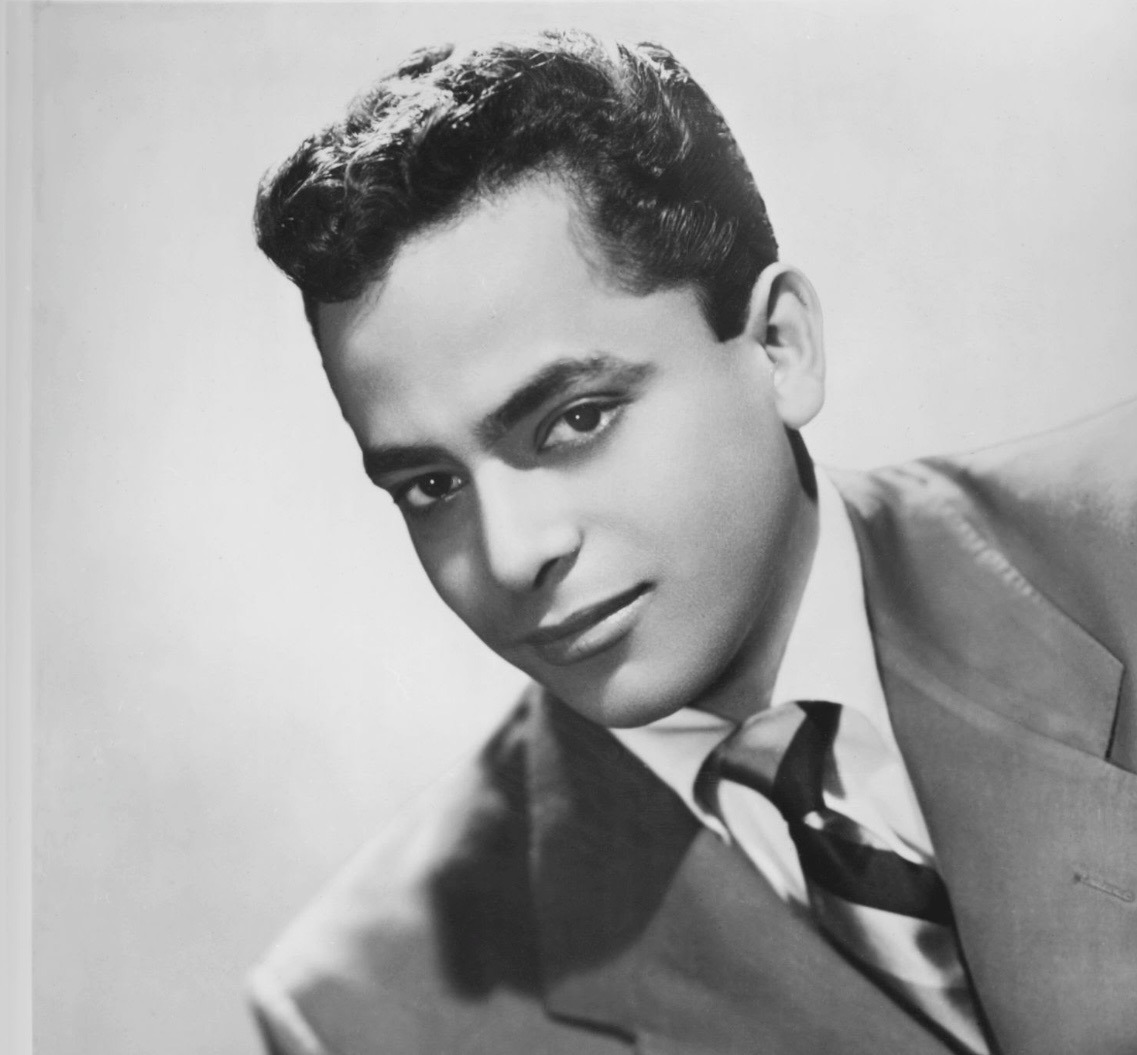
Another crucial chapter unfolds at the Bronx Opera House on 149th Street. Once a venue for theatrical plays, the building transformed into a succession of legendary music venues—La Caravana, Bronx Casino, and, starting in 1975, El Cerromar.
Yet the magic extended far beyond club stages. Salsa was born out of everyday life in the South Bronx. Future icons who grew up in this environment included Charlie Palmieri, Ray Barretto, Eddie Palmieri, and Johnny Pacheco.
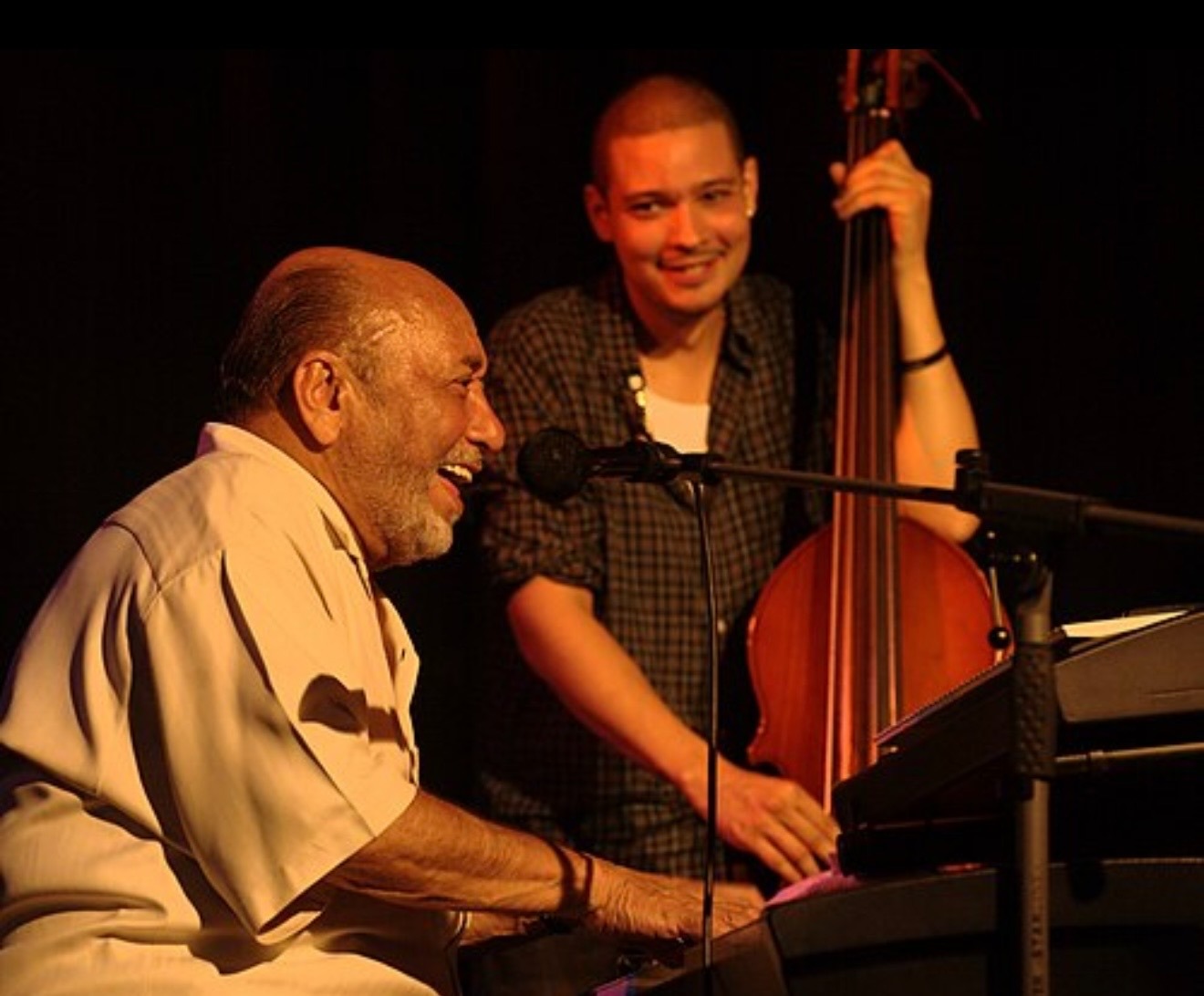
Music permeated every corner of the neighborhood. It blasted from open apartment windows, rooftop hangouts, bodegas, and neighborhood cafés. Musicians recalled that even the candy store owned by the Palmieri brothers’ father housed a jukebox. Kids gathered around it—kids who would eventually shape the course of Latin music history.
Thus, the South Bronx became an incubator where Caribbean heritage fused with the pulse of New York. From this union emerged a sound that spread far beyond the borough’s borders, cementing salsa as one of NYC’s most iconic musical exports.
Public School Music Education in the 1950s: How Public Support Nurtured a Generation of Stars
None of these musical phenomena would have been possible without strong support from local public schools. During the 1940s and 1950s, Bronx schools offered extraordinary opportunities for young talent.
- Schools maintained inventories of hundreds of instruments that students could take home to practice.
- After-school programming was robust. Elementary schools remained open from 3:00 PM to 5:00 PM and 7:00 PM to 9:00 PM, offering everything from arts to organized basketball.
- Teachers encouraged students to play in jazz or doo-wop groups, going well beyond standard classical repertoires. At PS 99, for example, teacher Vincent Tibbs organized evening talent shows that launched numerous vocal groups.
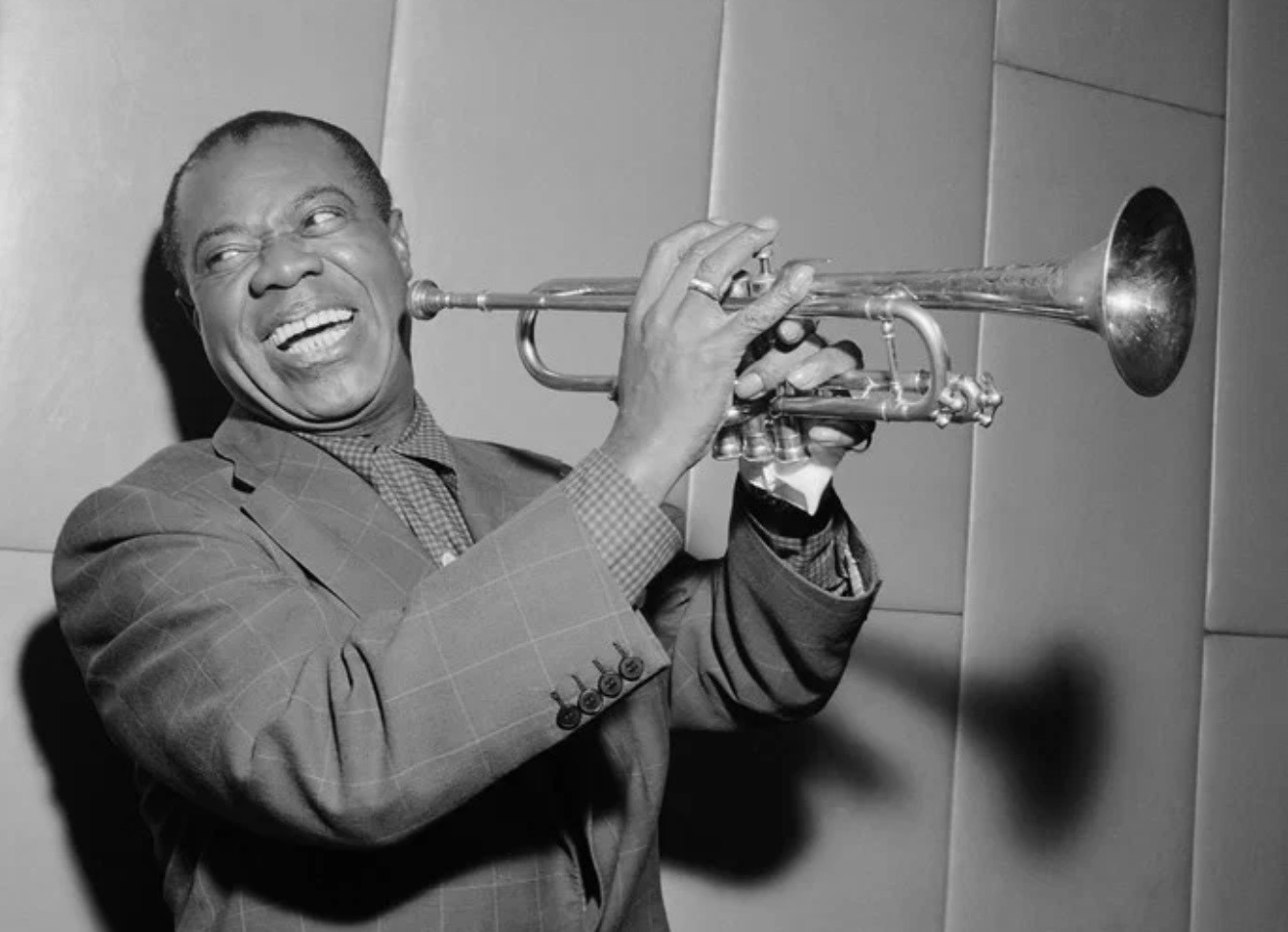
As renowned jazz trumpeter Jimmy Owens pointed out, teachers recognized talented kids and went above and beyond their duties to help them grow.
The 1970s Crisis and Hip-Hop Rising from the Ashes: How Urban Decay Sparked a New Culture
The devastation of the South Bronx changed everything. Beginning in the late 1960s, an epidemic of arson, landlord abandonment, and skyrocketing crime swept through the borough. The numbers are staggering: between 1970 and 1980, Morrisania lost 53% of its population, while neighboring Hunts Point lost a catastrophic 69%.
The impact on the music scene was devastating. Between 1965 and 1975, virtually all live music venues shut their doors. Due to the city’s severe financial crisis, school music programs were eliminated, and instruments were locked away in warehouses.
Yet the borough’s musical spirit refused to die. Deprived of access to traditional instruments and clubs, youth turned to turntables, vinyl records, and microphones. Hip-hop emerged directly out of this hardship. Grandmaster Flash, for instance, threw his first parties in abandoned buildings on Fox Street, illegally hooking up equipment to streetlights for power.
Hip-hop in Morrisania was both a continuation of and a departure from the African American and Latin music traditions that had flourished there during the post-war era.
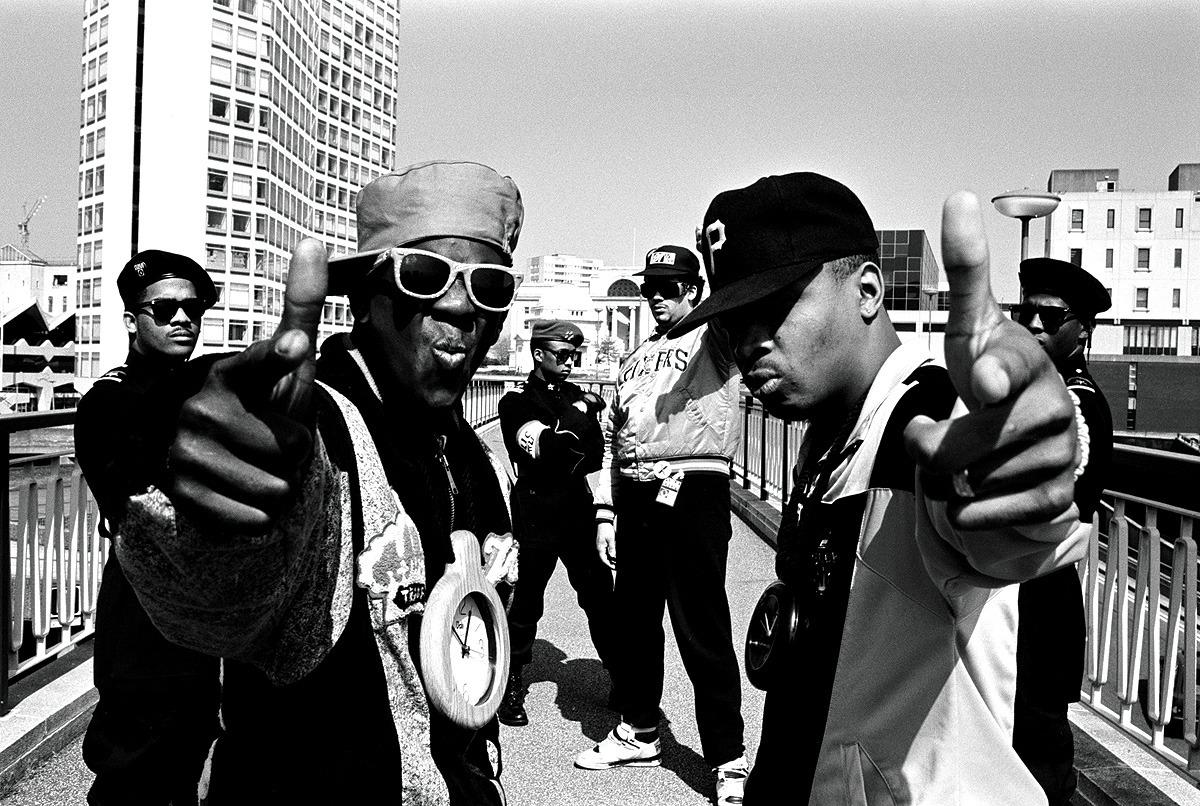
For decades prior to the birth of hip-hop, the Bronx served as an extraordinary cultural crossroads where peaceful multicultural co-existence inspired musical genius. The jazz musicians, doo-wop singers, and salsa legends who grew up in these apartment blocks built a foundational pillar of modern global pop culture. That heritage endures on the streets of the Bronx today—celebrated in events like Old Timers’ Day in Crotona Park, where older generations gather to honor the golden age of their neighborhood.