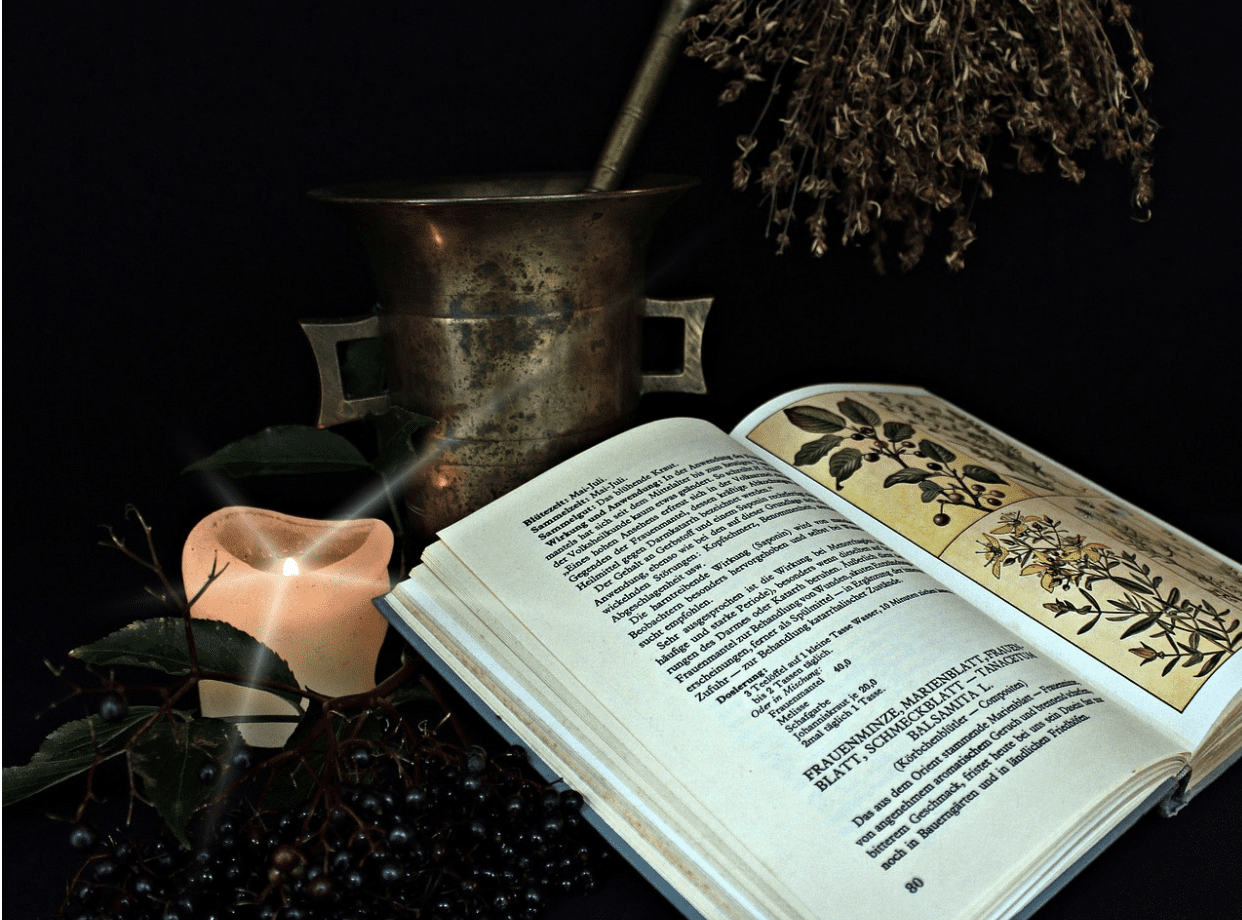

Picture the Bronx—the urban heart of New York City—where folk medicine is unexpectedly finding its place among modern healthcare practices. In a city where you can’t simply buy medicine without a prescription, herbs, acupuncture, and ancient practices are becoming not just an alternative, but part of official treatment plans. Here, in this culturally diverse environment, folk medicine is a bridge between ancestral traditions and modern needs. So, what role does it play in this bustling borough? Let’s find out! Read more on i-bronx.
Folk Medicine is Being Integrated into Clinic Treatment Plans
In the Bronx, folk medicine, particularly herbal medicine and acupuncture, has gained a significant foothold in the modern healthcare system. Today, these methods are no longer just an alternative; they have become an important part of treatment plans, helping patients overcome both chronic illnesses and short-term health issues.
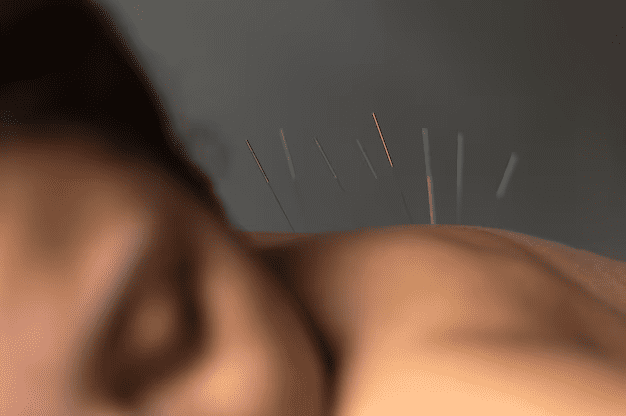
For instance, acupuncture is actively used to relieve chronic pain. In Bronx clinics, this method is used to treat back pain, arthritis, and even migraines. In one case, a patient suffering from constant shoulder pain due to an injury reported significant relief after just a few acupuncture sessions, without needing to take painkillers. Doctors explain that the fine needles, inserted into specific points, stimulate the nervous system, improve blood circulation, and help the body heal naturally.
Herbal medicine also has its advocates. Doctors often recommend chamomile tea to patients to calm the nervous system and improve sleep. For increased stress, they might suggest adding lavender tea, which acts as a natural relaxant. To strengthen the immune system—especially during the cold season—echinacea infusions are popular, known for their anti-inflammatory properties. It is often combined with rose hip, which is high in vitamin C, to boost the body’s protective functions.
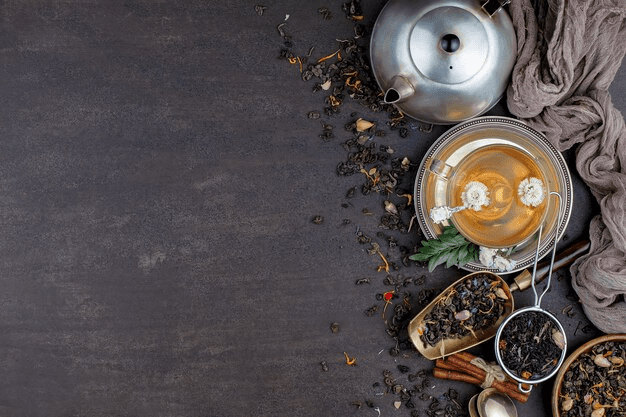
Ginger drinks, on the other hand, are often recommended for colds or to improve digestion, as ginger has properties that reduce inflammation and stimulate metabolism. It is frequently paired with turmeric, which, according to doctors, helps combat inflammation in the joints. Another common remedy is a licorice root decoction, which is recommended for coughs as it soothes the respiratory tract and helps clear phlegm.
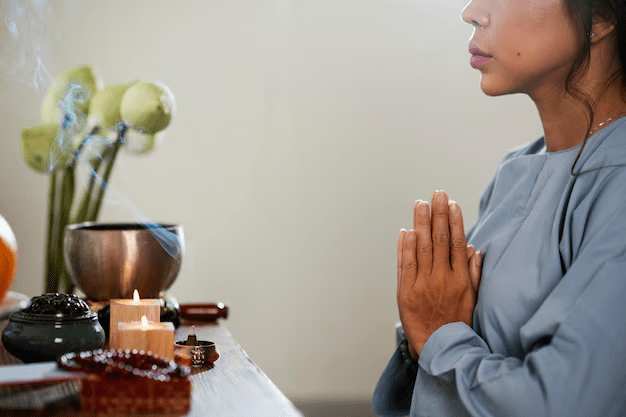
Another example is the use of meditation and herbal blends in rehabilitation programs. A patient recovering from a stroke, for instance, was advised to include hawthorn tea in their daily diet to support heart function and regularly practice breathing exercises. To improve blood circulation, they were also told to drink a nettle leaf infusion, which is rich in iron and promotes tissue regeneration.
Such simple yet effective methods not only helped stabilize physical condition but also restored inner balance, allowing for a quicker adaptation to life after illness.
Yoga and Meditation Also Hold a Place of Honor
In the Bronx, where life often pulses at an unstoppable pace, yoga and meditation have become vital tools for restoring the balance between mind and body. These practices are no longer just part of spiritual traditions; today, they are confidently integrated into modern medicine, helping patients fight stress, anxiety, and even physical ailments.
Meditation, recommended in local clinics, is often tailored to specific patient needs. For those suffering from anxiety disorders, doctors advise mindful breathing—a technique that involves focusing attention on one’s own breath. It helps calm the nervous system and regain a sense of control over emotions. Imagine: a few minutes of deep inhales and slow exhales can relieve tension that has been building up for months.
For patients recovering from injuries or serious illnesses, visualization meditation is becoming popular. Its essence lies in imagining positive images—for example, ocean waves washing away pain or light filling the body with energy. Doctors note that such exercises not only improve emotional state but also stimulate healing processes, as the brain begins to work toward recovery.
Yoga, in turn, adds a physical aspect. Hatha yoga, which combines smooth movements with breathing exercises, is especially popular. These classes not only strengthen muscles and improve flexibility but also help get rid of chronic pain often affecting people with sedentary lifestyles. One patient who had been battling back pain for years admitted that regular yoga sessions helped him feel significantly better in just a few weeks.
A special place is held by mindfulness meditation, which teaches people to live in the “here and now.” It helps reduce stress, cope with depression, and learn to handle daily challenges without overwhelming the nervous system. This practice is often recommended for patients with high stress levels or those undergoing rehabilitation after difficult events.
Yoga and meditation, like folk medicine in general, focus not just on treating symptoms but on maintaining inner harmony. In the Bronx, these practices are a bridge between modern medicine and ancient wisdom, helping patients not only heal their bodies but also find peace of mind.
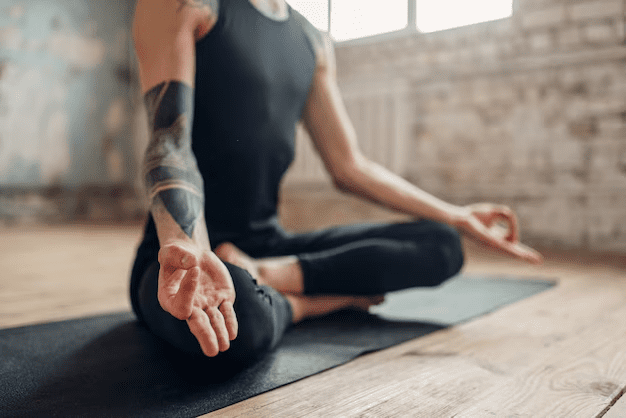
You can practice meditation at home, but the following yoga studios in the Bronx are immensely popular:
- Bronx Yoga Lab — a studio specializing in various styles of yoga and meditation adapted for all skill levels;
- Mindful Movements Yoga Studio — offers hatha yoga and meditation classes aimed at stress reduction and improving overall well-being;
- Sacred Sounds Yoga — a studio that combines traditional yoga practices with meditative sessions, helping to achieve inner harmony.
Folk Medicine Isn’t Always a Cure-All
Despite its long history and widespread popularity, folk medicine has its limits. It’s important to understand that even the most natural treatment methods aren’t always safe for everyone. There are cases where the use of herbs, acupuncture, or meditation can cause harm or be ineffective, especially if a doctor’s recommendations or individual body specifics are ignored.
For example, herbal medicine may be contraindicated for people with severe allergies. Acupuncture, while considered safe when performed correctly, has its limitations. It is not recommended for people with blood clotting disorders, as the needles can cause micro-injuries that are slow to heal.
Meditation, although seemingly completely safe, can have a reverse effect on people with post-traumatic stress disorder or severe forms of depression. In some cases, introspection can intensify negative emotions or trigger memories that a patient is not ready to experience without professional support.
So, How Can You Avoid the Risks?
First and foremost, any folk medicine methods should be coordinated with a doctor, especially if the patient is already taking medications or has serious chronic illnesses. Doctors advise against self-medication, even if a method seems harmless, and to always consider possible contraindications.
Folk medicine can be a powerful tool in healthcare, but only with a thoughtful and conscious approach. If in doubt, it’s best to consult a specialist to ensure the chosen method brings benefits, not harm.