

A gynecologist is a type of doctor who plays an important role in the lives of all women. This person assists women through tough stages, from the first monthly period to menopause. It is recommended to see a gynecologist at least once a year, even if you have no complaints or concerns. Unfortunately, most women ignore this recommendation and go to the doctor when specific symptoms develop, their sex life changes or they are planning a pregnancy. In this article, we will talk about why it is critical to undergo a preventive gynecological examination on time, as well as how to prepare for one. Learn more at i-bronx.
When and why should one see a gynecologist?
Doctors in the Bronx adhere to the recommendations of the World Health Organization and advise their patients to get a routine checkup once a year. If you have related gynecological diseases, you should do this twice a year. Because most diseases have hardly noticeable symptoms at their earliest stages, such consultations can help prevent their development. Furthermore, during this time, timely care will ensure a quick recovery and lower the risk of complications.
These diseases include:
- dysplasia (a disease of the cervix that, if not diagnosed and treated promptly, can develop into a malignant tumor in a few years)
- uterine fibroids
- ovarian cyst
- cervical cancer in its early stages (a woman may even be able to give birth after therapy if treatment is initiated at stages 0 and
- malignant and benign neoplasms of the mammary glands and ovaries
- inflammatory processes with mild symptoms that can cause infertility or ectopic pregnancy.
It is also required to see a gynecologist on the eve of the start of sexual activity, after a change of partner, when planning a pregnancy, at the onset of menopause and in case of any complaints.
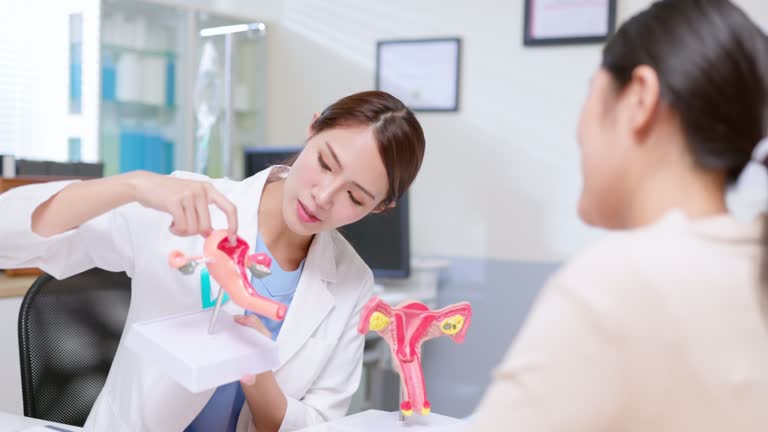
It is also a mistake to avoid a gynecological examination in the absence of sexual activity. Experts from the Bronx emphasize that all women should undergo preventive examinations after they turn 18. Before this age, girls should be taken to a women’s consultation during specific periods. In the first few months following birth, a girl should be examined by a gynecologist to exclude synechia (labia fusion) and other pathologies. Then, the pediatric gynecologist should be seen on the eve of kindergarten and school admission, when the first signs of puberty occur (or delay) and after the first menstruation (or its absence after turning 16 years old).
You may also learn how women gave birth in the Bronx in the past and today in the article.
How to prepare for an appointment
If you have any complaints, you should not postpone your visit to the doctor; instead, you should schedule an appointment for the nearest available date.

However, if you are planning a preventive follow-up examination, it is best to schedule it between the 5th and 10th days of the menstrual cycle. The endometrium is at its thinnest at this point, allowing the gynecologist to inspect the uterus more thoroughly during an ultrasound. However, there are times when it is necessary to have an examination in other phases. For example, uterine fibroids are treated with preventive ultrasound on the 18th-24th day of the cycle and ovarian function is studied on the 8th-10th, 16th-18th and 23rd days of the cycle. As a result, if you have any chronic diseases, inform your doctor, and they will help you choose the most suitable period.
To make the examination as efficient and comfortable as possible for both parties, you should prepare for an appointment as follows:
- It is best to do hygiene procedures at least 2-4 hours before the appointment.
- Refrain from sexual contact for 24 hours so that the doctor does not discover someone else’s microflora, which can result in an inaccurate evaluation.
- You should wait at least three days after douching and using vaginal suppositories.
- Make sure to take your medical record, as well as test results and the doctor’s conclusions from earlier consultations (if they are not attached to the main card).
- Prepare a list of questions for your doctor in advance. Ask about anything that is bothering you. There are no embarrassing questions at the gynecologist’s office.
- Bring your menstruation calendar (or the app installed on your phone) with you. The doctor will be interested in the date of the last monthly period and the average duration of the menstrual cycle.

Many women are shy and put off preventive gynecological checkups. You should not do this. Furthermore, it is now very convenient to find a doctor via the Internet. Choose a gynecologist who best meets your needs and read reviews about them. You can even contact them directly (contact information is usually provided on the website) and ask a few questions to determine whether you would be comfortable with this person.
What happens during an examination?
A doctor at Dr. Emily Women’s Health Center in the Bronx says that you shouldn’t be afraid of a gynecologist’s examination, and explains how it goes.
In the absence of concerns from the patient, the average preventive session lasts only 10-20 minutes. It starts with a conversation. The doctor asks several questions and reviews previous conclusions to gain a better understanding of the big picture and identify potential issues to address during the gynecological chair examination. Questions may relate to the menstrual cycle, sexual activities, pregnancies, comorbidities, miscarriages or abortions. All information obtained from the patient is kept strictly confidential. Remember: your health is dependent on how open you are with your doctor. Do not conceal anything or distort the facts.

Following the interview, a standard examination procedure on the chair involves four stages:
- external examination (skin color and mucous membranes to detect infectious diseases, neoplasms or developmental defects)
- examination with a gynecological mirror (only if the woman is sexually active)
- palpation of the abdomen to assess the size and position of the uterus
- taking material for analysis (cytological smear).
Following that, the doctor will do a clinical examination of the mammary glands. Additionally, abdominal or transvaginal ultrasounds can be performed.
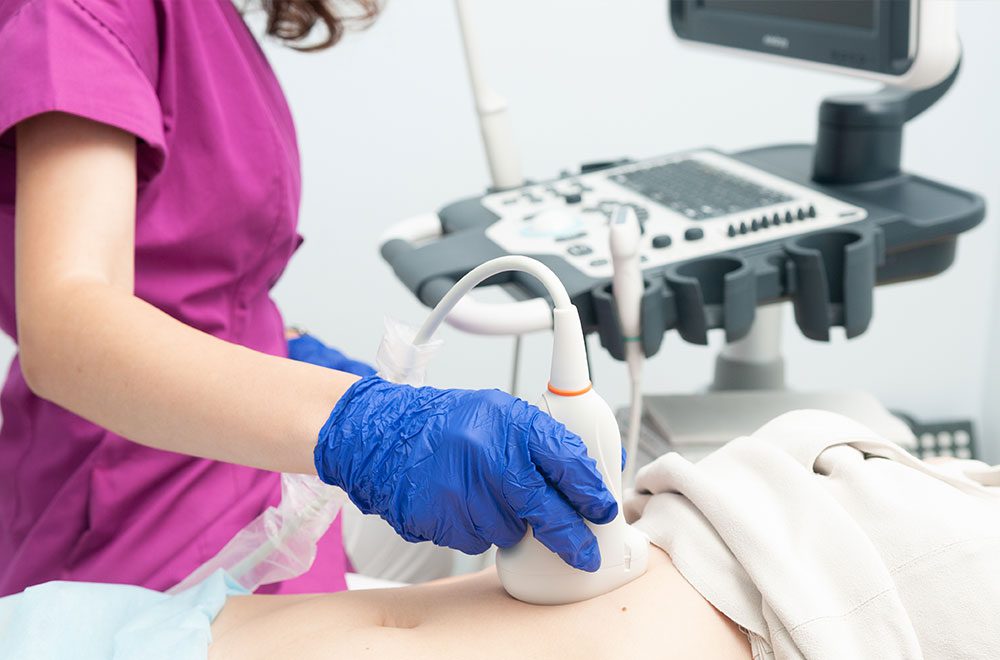
It is advised to take into consideration specific age markers. So, starting at the age of 30, in addition to a cytological smear, it is recommended to test for oncogenic types of papillomavirus, which frequently cause dysplasia and cervical cancer. From the age of 40, a yearly mammography is required. If there have been cases of cancer in the family, it is best to begin at the age of 35. A rectovaginal examination is another procedure recommended for women over the age of 40. During the procedure, the doctor assesses the condition of the pelvic floor muscles, preventing rectum diseases and excluding the presence of neoplasms.
In addition to these examinations, the gynecologist may recommend additional procedures, such as ultrasound of the pelvic organs, smear microscopy, colposcopy, etc.
Encouraging preventive gynecological examinations in the Bronx
Some Bronx clinics promote women’s gynecological health in a number of ways.
For example, Dr. Emily Women’s Health Center offers specific Well Woman Check sessions as part of its services. Based on this preventive program, numerous advertising campaigns are regularly carried out to remind women of the significance of visiting the gynecologist on an annual basis.
Essen Health Care in the Bronx carried out an even greater initiative. They recently launched a new pediatric center that also offers women’s consultations. In other words, a mother can address both her own and the child’s issues simultaneously in a single session.

Dr. Sumir Sahgal, the Chief Medical Officer and founder of Essen Health Care, is enthusiastic about the concept, noting: Our goal is to make healthcare more accessible and convenient for families. By merging pediatrics and women’s health services at our facility, we hope to simplify the path to health care for mothers while also ensuring that their families receive better care.
Read an article about the history of Montefiore Medical Center here.