
“History is the teacher of life,” the Romans said. This is true. By studying individual historical periods, we can learn a lot about our past and thus avoid a number of mistakes. There are many white spots in the history of the Bronx. One of them is the history of colonization of the territory where this part of New York is now located.
To understand how the colonization took place, we should learn more about the activities of Adriaen van der Donck, a colonist, lawyer and adventurer. Read more about the history of the Bronx through the prism of his life on i-bronx.com.
An important find
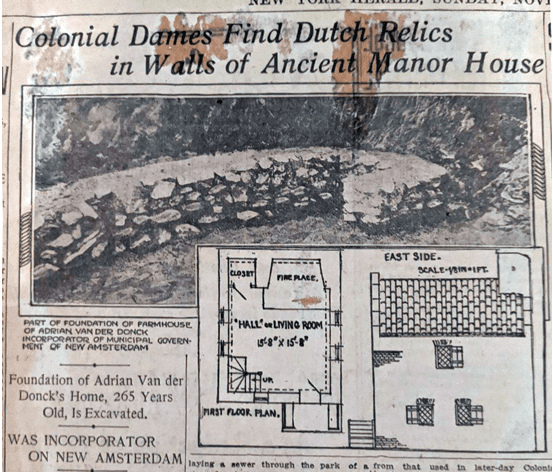
As kingsbridgehistoricalsociety notes, it all started with a banal event that took place in 1910, more than 100 years ago, and led to a series of others. A team of workers was digging a trench near the Van Cortlandt House Museum (an American politician who was the first lieutenant governor of New York in the late eighteenth and early nineteenth centuries), located in the park of the same name in the Bronx (New York).
During the work, they came across something that looked like the stone foundation of a house, which was 10 feet underground. They began to dig further and found things scattered in different parts of the trench: a silver button, fragments of Delft china and a Dutch pipe. The newspapers immediately announced: “Foundation of Adriaen van der Donck’s Home, 265 Years Old, Is Excavated.” But this raised more questions than it answered.
A few years ago, park workers were leveling a field nearby and found broken pottery of Dutch origin: jugs and wine bottles. Another story says that Adriaen van der Donck’s house was found to the west of the museum. How do you think this could have happened?
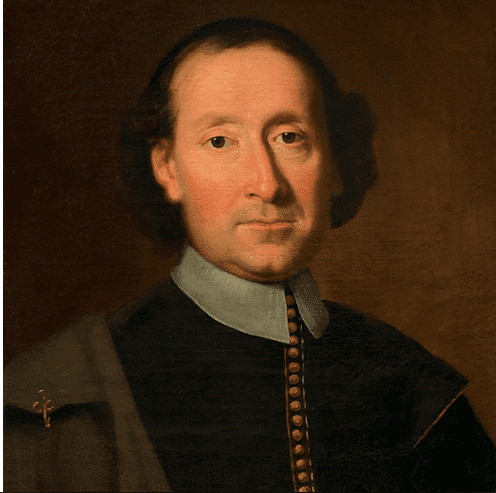
Photo from kingsbridgehistoricalsociety
Adriaen van der Donck
Who was Adriaen van der Donck? He was not only one of the first colonists of New Netherland but also a lawyer, writer and a thorn in the side of the directors of the Dutch West India Company, which ran the colony. He asked the company to provide him with land to settle the colonists.
The company met him halfway, as he played an important role in ending Kieft’s War. The latter took place between the first colonists and the Wappinger and Lenape Indians in what is now NYC. In 1645, Adriaen van der Donck received 24,000 acres of land in what is now the Bronx. This land was named Jonkheer (young lord) in honor of the founder. Later, the city of Yonkers was formed here, which eventually became part of the Bronx.
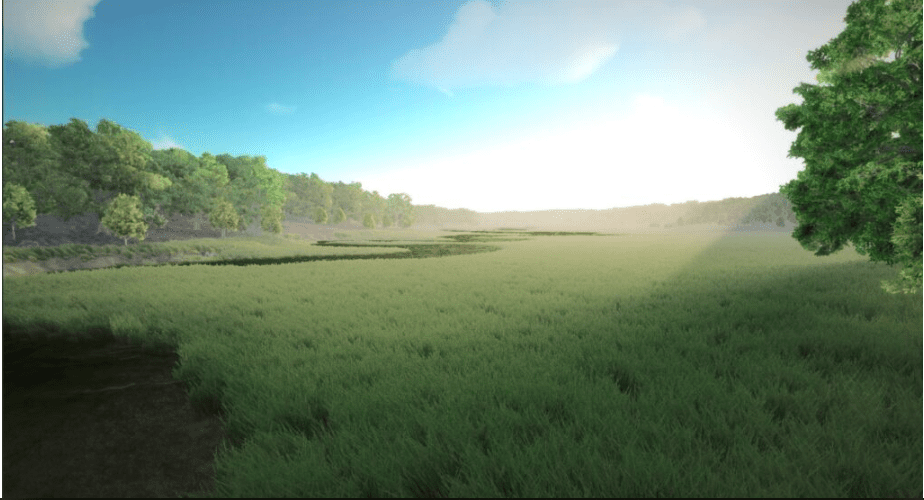
Photo from kingsbridgehistoricalsociety
Colen Donck, the first colonial settlement
The land acquisition allowed the ambitious dutchman to start building settlements on American soil. It was not just his whim but the company’s requirement. Van der Donck was a patron and therefore had to populate his land with colonists. He started on a large scale. In 1646, the man built a sawmill to have the necessary lumber to build the settlement. He also hired workers from the colonies to develop his settlement and build it up. He named the settlement Colen Donck, which means Donck’s colony.
There is not much information about the settlement. We will explain the reasons for this below. Thanks to a petition from 1652-1653, there is evidence that Van der Donck initially wanted to settle in the center of Yonkers at the mouth of the Saw Mill River. Here, he built a factory and a farm. Over time, the man took a liking to the valleys and lowlands south of the original site (between the Riverdale hills to the west and Kingsbridge Heights to the east). So, he convinced the company’s directors to include this area in his grant. Local residents also agreed to sell the land. There were salt marshes and meadows nearby, so the colonists liked it.
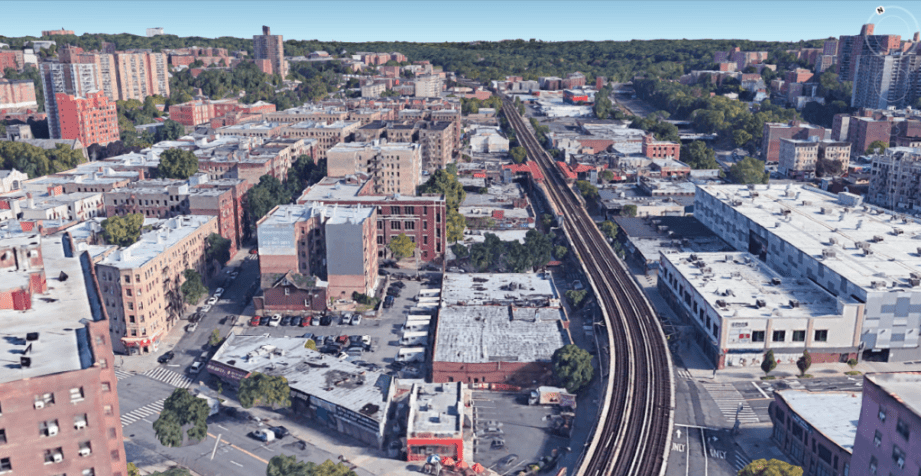
Photo from kingsbridgehistoricalsociety
The death of the settlement
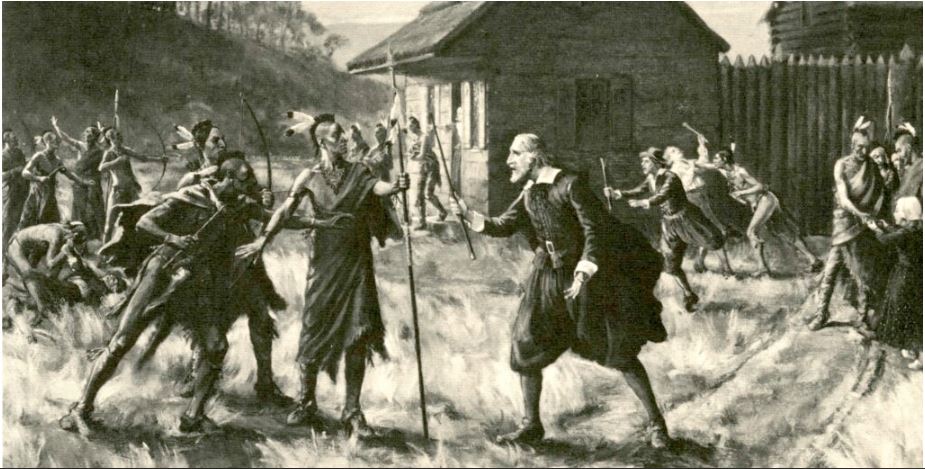
The settlement did not last as long as they had hoped. In 1655, it was attacked by a hundred Indians. The colonists were killed and taken prisoner. The colony could not defend itself as it was far from the main part of the settlers. Therefore, several such parts of the colony were destroyed in those early years. It is believed that Van der Donck was killed during this attack. The attack also destroyed all the colonists’ documents (accounting books, receipts, inventories, maps and contacts). They could tell a lot about the life of the colonists.
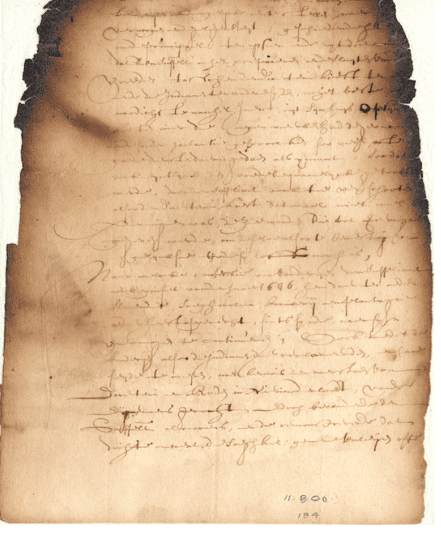
Photo from kingsbridgehistoricalsociety
How many colonists were in the settlement and what was their profession?
Several building foundations have been found in Van Cortlandt Park. This means that several colonial families lived in the settlement. Where did they come from? To attract new people to the colony, Van der Donck had to travel to the Netherlands to find farmers and artisans. His attempt was unsuccessful. He had to persuade 100 people. But the man managed to motivate only a tile maker, a barrel maker, a gardener and carpenters. An unknown number of colonists were also hired by the Van der Donck family.
The fact that Van der Donck and his wife Mary lived in the settlement is not confirmed by documents from the New Amsterdam orphanage. They mention the deaths of 3 men: Jan Mewes, Evert Jansen and Jan Gerritsen, who lived in the settlement. It is also noted that they died during a catastrophe, which was an attack by Indians on the settlement.
Also, a document from January 1656 mentions a resident of Wiequaeskeck who took care of Van der Donck’s cows, i.e., was a shepherd.
Another document tells us that the Indians took several bibles from the house of the founder of the settlement, which belonged to Catalyntie Verbeeck. This means that another family lived next to the Van der Donck family.
In 1667, a woman named Ytie Hendricxsdr (Dutch first and last name) told the magistrates of Albany that she and 2 other sisters had been captured by Indian barbarians on Van der Donck’s lands near the Hudson River. Therefore, it is possible that the Hendricxsdr sisters were neighbors of the Van der Doncks in the Colen Donck settlement.
Thus, even such fragmentary records that scholars have found in various places and documents prove that there was a settlement in Colen Donck consisting of several families. This also suggests that the number of buildings where these people had to live must have been much larger.
Did the slave trade exist in the settlement?
The 16th century was a time of slave trade. The Dutch were also engaged in it. Could slaves have lived in the settlement? It is possible. There is even a theory that Van der Donсk owned slaves. But there is no evidence to confirm or deny this. Slavery is mentioned only in Van der Donck’s works (remember that he is a writer). The works refer to the protection of the rights of freed slaves whose children were not considered free according to the policy of the Dutch West India Company. In a petition to the company, Van der Donck spoke out about the cruelty of this policy.
After Colen Donck
10 years after Van der Donck’s murder and the destruction of the settlement, English colonists arrived here, as England conquered New Netherland. To find information about this settlement and its scale, it was necessary to research land documents, old maps and censuses. Later, a second settlement appeared on the territory of the park. This made it even more difficult to identify the owners of the seventeenth-century buildings.
So, the Bronx was inhabited long before the English came here. Indeed, the Indians were the first to live here. But the Dutch colonized the land later.